How dehydration impacts energy levels and the importance of daily hydration are often overlooked, yet they play a critical role in our overall well-being. Imagine a car running on empty – it sputters and eventually stalls. Our bodies are similar; without sufficient water, our energy levels plummet, affecting our physical performance, mental clarity, and even our mood.
This article delves into the intricate relationship between hydration and energy, exploring how dehydration impacts our bodies, the benefits of staying hydrated, and practical strategies for ensuring we meet our daily fluid needs. We’ll uncover the science behind dehydration’s effects on our energy levels, discuss the importance of electrolytes, and provide actionable tips for maintaining optimal hydration throughout the day.
Dehydration and Energy Levels
Dehydration, the state of having insufficient water in your body, can significantly impact your energy levels. It affects various physiological processes, ultimately leading to fatigue and reduced performance.
The Physiological Mechanisms
Dehydration affects energy levels by disrupting several critical bodily functions:
- Reduced Blood Volume:When you’re dehydrated, your blood volume decreases, making it harder for your heart to pump blood efficiently. This can lead to a decrease in oxygen delivery to your muscles, which are essential for energy production.
- Increased Core Body Temperature:Water helps regulate your body temperature. Dehydration can lead to an increase in core body temperature, which puts a strain on your body and can lead to fatigue.
- Impaired Cellular Function:Water is crucial for cell function, including nutrient transport and waste removal. Dehydration can impair these processes, leading to reduced energy production at the cellular level.
- Electrolyte Imbalance:Electrolytes, such as sodium, potassium, and magnesium, are essential for muscle function and nerve impulse transmission. Dehydration can disrupt electrolyte balance, leading to muscle cramps, weakness, and fatigue.
Impact on Athletic Performance
Dehydration can significantly affect athletic performance, leading to:
- Reduced Endurance:Dehydration can reduce your ability to sustain physical activity, making it harder to complete workouts or participate in sports.
- Increased Fatigue:Dehydration can lead to increased fatigue and muscle soreness, making it harder to recover from workouts and perform at your best.
- Impaired Cognitive Function:Dehydration can also affect cognitive function, leading to reduced concentration, slower reaction times, and poor decision-making.
- Increased Risk of Injury:Dehydration can increase the risk of muscle cramps and injuries, as dehydrated muscles are more susceptible to strain and tears.
Dehydration and Fatigue
Dehydration can cause fatigue due to the following:
- Reduced Oxygen Delivery:Dehydration leads to reduced blood volume, making it harder for the heart to pump blood efficiently. This can lead to decreased oxygen delivery to the muscles, resulting in fatigue.
- Impaired Energy Production:Dehydration can impair cellular function, leading to reduced energy production at the cellular level. This can contribute to feelings of fatigue.
- Electrolyte Imbalance:Dehydration can disrupt electrolyte balance, which is essential for muscle function and nerve impulse transmission. This can lead to muscle cramps, weakness, and fatigue.
Hydration and Healthy Lifestyle
Staying hydrated is not just about quenching thirst; it’s a crucial aspect of maintaining a healthy lifestyle. Water is essential for countless bodily functions, and adequate hydration plays a vital role in supporting various aspects of well-being, from nutrition to sleep and exercise.
The Importance of Hydration Across Healthy Lifestyle Aspects
Hydration is a cornerstone of a healthy lifestyle, influencing various aspects of our well-being. Here’s how hydration contributes to nutrition, sleep, and exercise:
| Aspect | Importance of Hydration |
|---|---|
| Nutrition | Water aids in digestion, nutrient absorption, and the transportation of nutrients throughout the body. It helps regulate appetite and can contribute to a feeling of fullness, potentially aiding in weight management. |
| Sleep | Proper hydration can improve sleep quality by promoting relaxation and reducing nighttime awakenings. Dehydration can lead to headaches and fatigue, which can disrupt sleep patterns. |
| Exercise | Water is crucial for regulating body temperature during physical activity. It helps prevent muscle cramps, fatigue, and dehydration-related injuries. |
Hydration and Overall Health
Adequate hydration supports overall health and well-being in numerous ways:
Disease Prevention
Staying hydrated can help prevent kidney stones, constipation, and urinary tract infections. It can also contribute to maintaining healthy blood pressure and reducing the risk of cardiovascular disease.
Longevity
Research suggests that proper hydration can contribute to longevity by supporting optimal organ function and reducing the risk of chronic diseases.
Enhancing Healthy Habits with Hydration
Hydration can enhance the effectiveness of healthy habits, such as regular exercise and a balanced diet:
Exercise
Drinking water before, during, and after exercise helps regulate body temperature, prevent fatigue, and promote muscle recovery.
Diet
Staying hydrated can aid in digestion and nutrient absorption, making it easier for the body to utilize the benefits of a balanced diet.
“Proper hydration is not just about drinking when you’re thirsty; it’s about consistently replenishing your body’s water stores throughout the day.”
Hydration and Mental Clarity
Your brain, like all other organs in your body, relies heavily on water to function optimally. Dehydration can significantly impact your cognitive function, leading to a decline in mental clarity, concentration, and overall cognitive performance.
The Impact of Dehydration on Cognitive Function
Dehydration can impair cognitive function in various ways. When your body is dehydrated, it affects the volume of blood circulating in your brain. This can lead to a reduction in oxygen and nutrient delivery to brain cells, hindering their ability to function effectively.
- Concentration:Dehydration can make it challenging to focus and concentrate on tasks. This is because your brain needs adequate hydration to maintain optimal neuronal activity, which is crucial for attention and focus.
- Memory:Dehydration can negatively affect short-term and long-term memory recall. Studies have shown that even mild dehydration can impair cognitive performance, including memory tasks.
- Decision-Making:Dehydration can affect your decision-making abilities, making you more prone to errors and impulsive choices. This is because dehydration can influence the brain regions responsible for planning and judgment.
Strategies for Improving Mental Focus and Clarity, How dehydration impacts energy levels and the importance of daily hydration
Staying adequately hydrated is crucial for maintaining mental clarity and cognitive function. Here are some practical tips to enhance your mental focus and clarity:
- Drink Water Regularly:Make it a habit to drink water throughout the day, even when you don’t feel thirsty. Aim for 8 glasses of water per day, or more if you are physically active or in hot environments.
- Carry a Water Bottle:Having a water bottle readily available encourages you to stay hydrated throughout the day. It’s a simple but effective way to remind yourself to drink water.
- Eat Fruits and Vegetables:Fruits and vegetables are naturally rich in water content. Incorporating them into your diet can contribute to your overall hydration.
- Limit Sugary Drinks:Sugary drinks like sodas and juices can actually dehydrate you. Opt for water or unsweetened beverages instead.
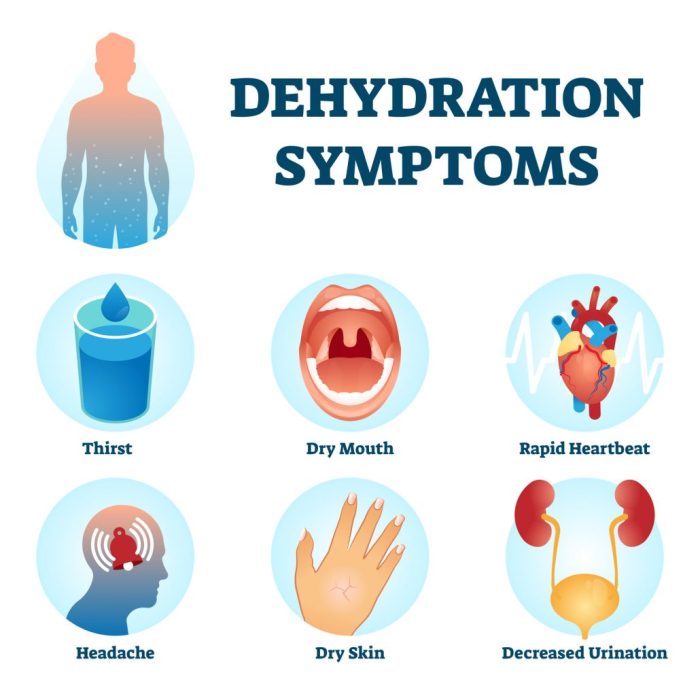
- Be Mindful of Dehydration Symptoms:Pay attention to signs of dehydration, such as fatigue, headaches, dizziness, and dry mouth. If you experience any of these symptoms, drink water immediately.
Hydration and Healthy Aging: How Dehydration Impacts Energy Levels And The Importance Of Daily Hydration
Staying hydrated is crucial for overall health, and its importance only increases as we age. Water plays a vital role in maintaining various bodily functions, and adequate hydration becomes even more critical for older adults as their bodies naturally experience changes that can make them more susceptible to dehydration.
Hydration and Joint Health
As we age, our joints naturally lose cartilage, the cushioning tissue that helps prevent friction and pain. Dehydration can exacerbate this process, leading to increased joint stiffness and pain. This is because water helps lubricate our joints and keeps them moving smoothly.
Adequate hydration can also help reduce inflammation, which is often associated with joint pain.
Hydration and Skin Elasticity
Our skin naturally loses elasticity as we age, resulting in wrinkles and sagging. Dehydration can further contribute to this process by making the skin dry and brittle. Water helps keep our skin hydrated and plump, making it more resilient and less prone to wrinkles.
Hydration and Cognitive Function
Our brains are highly dependent on water, and dehydration can negatively impact cognitive function, including memory, concentration, and alertness. As we age, our brains become more vulnerable to dehydration, making it even more important to stay adequately hydrated to support cognitive health.
Dehydration and Age-Related Health Issues
Dehydration can contribute to various age-related health issues, including:
- Constipation: Dehydration can harden stools, making them difficult to pass. This can lead to constipation, a common problem among older adults.
- Urinary Tract Infections (UTIs): Dehydration can concentrate urine, making it easier for bacteria to grow and cause UTIs. UTIs are more common in older adults, and dehydration can increase their risk.
Tips for Promoting Healthy Aging Through Hydration
Here are some tips for promoting healthy aging through adequate hydration:
- Drink water regularly throughout the day. Aim for at least eight glasses of water daily, and more if you are physically active or live in a hot climate.
- Carry a reusable water bottle with youand refill it frequently.
- Incorporate hydrating foods into your diet. Fruits and vegetables, such as watermelon, cucumbers, and spinach, are excellent sources of hydration.
- Listen to your body. If you feel thirsty, drink water. Don’t wait until you’re feeling dehydrated.
Final Conclusion
In conclusion, understanding the impact of dehydration on our energy levels and the vital role of daily hydration is essential for optimal health and well-being. By prioritizing hydration, we empower ourselves to perform at our best, both physically and mentally.
From incorporating water into our daily routines to recognizing the signs of dehydration, taking proactive steps to stay hydrated can significantly enhance our quality of life and contribute to a healthier, more energized existence.
Popular Questions
What are some signs of mild dehydration?
Mild dehydration can manifest as thirst, fatigue, headache, and dry mouth. You might also notice decreased urine output and darker urine color.
Is it okay to drink too much water?
While staying hydrated is crucial, excessive water intake can lead to hyponatremia, a condition where the body’s sodium levels become diluted. This can cause headaches, nausea, and in severe cases, seizures. Listen to your body and drink water when you’re thirsty.
How much water should I drink during exercise?
The amount of water needed during exercise depends on factors like intensity, duration, and climate. It’s generally recommended to drink water before, during, and after exercise to prevent dehydration. For intense workouts or hot weather, consider electrolyte-rich beverages to replenish lost minerals.


More Stories
Boost Immunity Naturally: Best Practices for 2024
Stay Hydrated This Summer: Waters Importance
Adjusting Sleep for Shift Work: A Hygiene Guide