Summer’s heat can be brutal, and staying hydrated is crucial for your well-being. Best ways to stay hydrated during summer and the importance of water intake are essential for maintaining optimal health, performance, and overall vitality. Water plays a vital role in regulating body temperature, transporting nutrients, and removing waste products.
Dehydration can lead to fatigue, headaches, and even more serious health complications. This article explores the importance of water intake during the summer months, providing practical tips and strategies to ensure you stay hydrated and healthy.
Understanding the signs of dehydration is essential for recognizing when your body needs more fluids. Early warning signs include thirst, fatigue, and dizziness. As dehydration progresses, you may experience headaches, muscle cramps, and decreased urine output. In severe cases, dehydration can lead to heat exhaustion, heatstroke, and even kidney failure.
It’s crucial to listen to your body and replenish fluids promptly to prevent these complications.
The Importance of Hydration
Staying hydrated is crucial for overall health and well-being, especially during the summer months when temperatures soar. Water plays a vital role in regulating body temperature, maintaining essential bodily functions, and supporting cognitive performance.
The Role of Water in Regulating Body Temperature
During hot weather, our bodies work hard to maintain a stable internal temperature. Water helps regulate this process through sweating. When we sweat, water evaporates from our skin, taking heat with it and cooling us down. This process is essential for preventing overheating, which can lead to heat exhaustion or heat stroke.
The Impact of Dehydration on Physical and Cognitive Performance
Dehydration can significantly impair both physical and cognitive performance. When we are dehydrated, our blood volume decreases, making it harder for our hearts to pump blood efficiently. This can lead to fatigue, muscle cramps, and decreased athletic performance. Dehydration can also affect our brain function, leading to decreased concentration, memory problems, and headaches.
The Connection Between Hydration and Overall Health
Adequate hydration is essential for maintaining overall health. Water plays a vital role in many bodily functions, including:
- Transporting nutrients and oxygen to cells
- Flushing out waste products
- Lubricating joints
- Regulating body temperature
- Maintaining electrolyte balance
The Effects of Dehydration on Different Age Groups
Dehydration can have different effects on different age groups. Infants and young children are particularly vulnerable to dehydration, as their bodies have a higher proportion of water than adults. Older adults are also more susceptible to dehydration, as their thirst mechanisms may become less sensitive with age.
Signs of Dehydration
Dehydration occurs when your body loses more fluids than it takes in. It can happen gradually or quickly, and it can affect people of all ages. Recognizing the signs of dehydration is crucial for preventing serious health complications.
Early Warning Signs of Dehydration
Early signs of dehydration are often subtle and can be easily overlooked. These signs may include:
- Thirst:This is the most common and obvious sign of dehydration. However, it’s important to note that thirst may not be a reliable indicator in older adults or people with certain medical conditions.
- Fatigue:Dehydration can lead to a decrease in energy levels and feelings of tiredness.
- Dizziness:Dehydration can cause a drop in blood pressure, leading to dizziness or lightheadedness.
- Dry Mouth:A dry mouth and sticky feeling are common signs of dehydration. This is because your body is trying to conserve fluids.
- Headache:Dehydration can trigger headaches, particularly in people who are prone to migraines.
- Constipation:Dehydration can affect bowel movements, leading to constipation.
- Reduced Urine Output:Your urine output may decrease, and the color may become darker.
- Muscle Cramps:Dehydration can lead to muscle cramps, particularly during physical activity.
Severity of Dehydration and Potential Health Consequences
Dehydration can range from mild to severe, and its consequences can vary depending on the severity and duration.
- Mild Dehydration:Mild dehydration usually results in the early warning signs mentioned above. It can be easily treated by drinking fluids.
- Moderate Dehydration:Moderate dehydration can lead to more severe symptoms such as confusion, rapid heartbeat, and low blood pressure. It requires prompt medical attention.
- Severe Dehydration:Severe dehydration is a medical emergency. It can cause seizures, coma, and even death. Immediate medical intervention is essential.
Signs Requiring Immediate Medical Attention
If you experience any of the following symptoms, seek immediate medical attention:
- Rapid heartbeat
- Confusion
- Seizures
- Loss of consciousness
- Sunken eyes
- Dry, wrinkled skin
- Inability to urinate
Summer Hydration Strategies
Staying hydrated during the summer is crucial for maintaining overall health and well-being. The heat can lead to excessive sweating, depleting your body’s fluid reserves. Therefore, it is essential to develop a strategic approach to ensure adequate hydration throughout the day.
Creating a Daily Hydration Plan
A well-structured hydration plan helps you stay ahead of dehydration. Here’s how to create one:
- Start your day with water:Begin your morning by drinking a large glass of water upon waking up. This helps rehydrate your body after a night of sleep and kickstarts your hydration for the day.
- Sip throughout the day:Instead of waiting until you feel thirsty, aim to drink water consistently throughout the day. Carry a reusable water bottle and refill it frequently.
- Drink water before, during, and after exercise:Physical activity increases your body’s water needs. Hydrate before you exercise, drink water during breaks, and replenish lost fluids afterward.
- Eat water-rich foods:Fruits and vegetables like watermelon, cucumbers, and spinach are naturally high in water content. Incorporating them into your diet contributes to your overall hydration.
Hydration During Outdoor Activities and Exercise, Best ways to stay hydrated during summer and the importance of water intake
Summer often involves outdoor activities and exercise, which can significantly increase your risk of dehydration. Here are some practical tips to stay hydrated:
- Drink water even if you don’t feel thirsty:Thirst is a sign that your body is already slightly dehydrated. Make it a habit to drink water regularly, even if you don’t feel thirsty, especially during outdoor activities.
- Carry a water bottle with you:Always have a reusable water bottle on hand and refill it frequently. Keep it accessible and make it a habit to sip water throughout the day.
- Choose hydrating drinks:Sports drinks can be beneficial during prolonged or intense exercise, as they provide electrolytes lost through sweat. However, it’s essential to choose drinks with moderate sugar content and avoid excessive consumption.
- Limit sugary drinks:Sugary beverages like sodas and juices can actually dehydrate you. Opt for water, unsweetened tea, or infused water for optimal hydration.
Recommended Daily Water Intake
The amount of water you need daily varies based on your activity level and climate. The following table provides general guidelines:
| Activity Level | Climate | Recommended Daily Water Intake (Liters) |
|---|---|---|
| Sedentary | Moderate | 2-2.5 |
| Moderately Active | Moderate | 2.5-3 |
| Active | Moderate | 3-3.5 |
| Very Active | Moderate | 3.5-4 |
| Sedentary | Hot | 3-3.5 |
| Moderately Active | Hot | 3.5-4 |
| Active | Hot | 4-4.5 |
| Very Active | Hot | 4.5-5 |
It is important to note that these are just general guidelines. Your individual water needs may vary based on factors such as your age, health, and overall fluid intake.
Hydration Beyond Water: Best Ways To Stay Hydrated During Summer And The Importance Of Water Intake
While water is the most essential beverage for hydration, diversifying your intake with hydrating fruits, vegetables, and electrolyte drinks can enhance your overall fluid balance, especially during the summer months. These options offer additional nutrients and electrolytes that contribute to optimal hydration and overall well-being.
Hydrating Fruits and Vegetables
Consuming fruits and vegetables rich in water content can significantly contribute to your daily hydration needs. These foods are not only refreshing but also packed with essential vitamins, minerals, and antioxidants that support overall health.
- Watermelon:With its high water content (around 92%), watermelon is a refreshing and hydrating choice. It also contains electrolytes like potassium and magnesium, which are essential for maintaining fluid balance.
- Cucumber:Cucumber is another excellent source of hydration, boasting around 96% water content. It also contains electrolytes and antioxidants, making it a great addition to your summer diet.
- Spinach:This leafy green vegetable is packed with water, vitamins, and minerals, including potassium and magnesium, making it a valuable addition to your hydration strategy.
- Strawberries:These juicy berries are a delicious and hydrating snack, containing around 91% water. They also provide vitamin C and antioxidants.
- Celery:Celery is a crunchy and hydrating vegetable, with around 95% water content. It is also a good source of electrolytes and antioxidants.
Electrolyte Drinks
Electrolyte drinks are specifically designed to replenish lost minerals, particularly sodium, potassium, and magnesium, during intense physical activity or prolonged sweating. These drinks are often consumed by athletes and individuals engaging in strenuous exercise to maintain fluid balance and prevent dehydration.
“Electrolyte drinks are particularly beneficial for individuals engaging in prolonged physical activity or experiencing significant fluid loss due to sweating.”
Beverage Comparison
Understanding the hydration properties of different beverages is crucial for making informed choices.
| Beverage | Hydration Properties | Advantages | Disadvantages |
|---|---|---|---|
| Water | Excellent hydration source | Calorie-free, readily available, and inexpensive | May not provide electrolytes for intense exercise |
| Sports Drinks | Provide electrolytes and carbohydrates for rehydration | Ideal for intense exercise and replenishing lost electrolytes | High in sugar content, potentially contributing to weight gain |
| Juices | Contain natural sugars and electrolytes | Provide vitamins, minerals, and antioxidants | High in sugar content, may contribute to weight gain, and may not be suitable for individuals with diabetes |
Hydration Habits for a Healthy Lifestyle
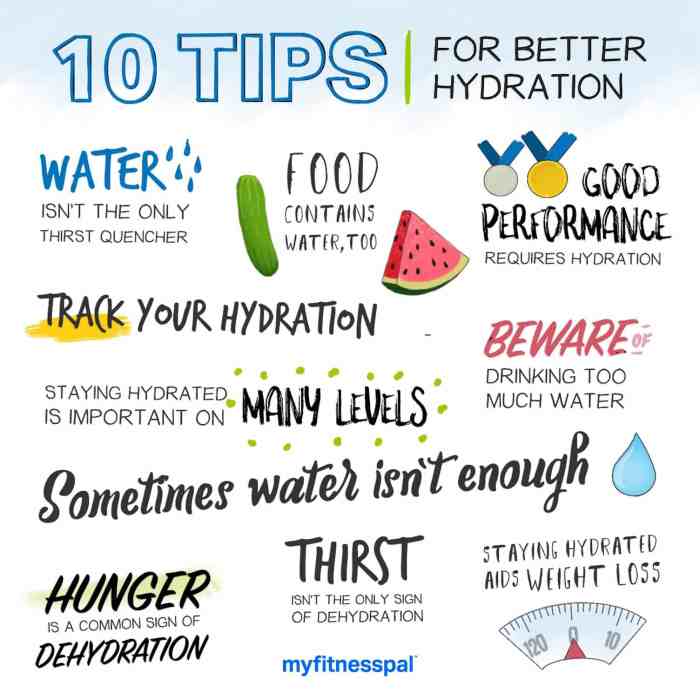
Establishing a consistent hydration routine is crucial for maintaining overall health and well-being. It goes beyond simply quenching thirst and plays a vital role in supporting various bodily functions.
Impact of Hydration on Sleep Quality, Energy Levels, and Mental Clarity
Adequate hydration significantly impacts sleep quality, energy levels, and mental clarity. When the body is dehydrated, it can lead to difficulties falling asleep, disrupted sleep patterns, and fatigue during the day.
- Sleep Quality:Dehydration can disrupt the body’s natural sleep-wake cycle, making it harder to fall asleep and stay asleep. A study published in the journal “Sleep” found that individuals who consumed less water before bed experienced more frequent awakenings and shorter sleep durations.
- Energy Levels:Dehydration can lead to fatigue and decreased energy levels. When the body is dehydrated, it has to work harder to pump blood, which can lead to a feeling of tiredness.
- Mental Clarity:Dehydration can impair cognitive function, leading to decreased concentration, focus, and memory. Studies have shown that even mild dehydration can negatively impact mental performance.
Tips for Incorporating Hydration into Daily Routines
Incorporating hydration into daily routines can be simple and effective. Here are some practical tips:
- Carry a Reusable Water Bottle:Having a reusable water bottle readily available encourages consistent hydration throughout the day. Aim to refill it multiple times.
- Set Reminders:Use phone alarms or reminders to prompt yourself to drink water at regular intervals.
- Drink Water Before, During, and After Exercise:Hydration is crucial before, during, and after physical activity to prevent dehydration and support optimal performance.
- Make Water a Habit:Develop a habit of drinking water first thing in the morning and throughout the day. This helps establish a consistent hydration routine.
Hydration and Disease Prevention
Staying hydrated is not just about feeling refreshed; it’s crucial for maintaining overall health and preventing various illnesses, especially during the summer months when the risk of dehydration is higher. Adequate water intake plays a vital role in protecting our bodies from heatstroke, supporting kidney function, and bolstering our immune system’s ability to fight off infections.
Heatstroke Prevention
Heatstroke is a serious condition that occurs when the body’s temperature rises to dangerously high levels. Dehydration is a major contributing factor to heatstroke. When we don’t drink enough fluids, our bodies struggle to regulate temperature effectively. This can lead to a cascade of problems, including:
- Rapid heartbeat
- Confusion
- Headache
- Muscle cramps
- Nausea and vomiting
- Loss of consciousness
Staying hydrated helps prevent heatstroke by ensuring our bodies have the necessary fluids to cool down through sweating. It’s essential to drink plenty of water before, during, and after physical activity, especially in hot weather.
Hydration and Kidney Health
Our kidneys are responsible for filtering waste products from our blood and producing urine. They need adequate water to function properly. Dehydration can put a strain on our kidneys, making them work harder to eliminate waste. This can lead to:
- Kidney stones
- Urinary tract infections (UTIs)
- Kidney failure in severe cases
Drinking enough water helps our kidneys function efficiently and reduces the risk of these problems.
Hydration and Immune Function
Water is essential for immune system function. It helps transport immune cells throughout the body, allowing them to effectively fight off infections. Dehydration can weaken our immune system, making us more susceptible to colds, flu, and other illnesses.
- Our immune cells need water to move freely and effectively target pathogens.
- Dehydration can impair the production of antibodies, which are crucial for fighting infections.
- Staying hydrated helps maintain the proper balance of electrolytes, which are essential for immune cell function.
By staying adequately hydrated, we can support our immune system and improve our body’s ability to defend itself against infections.
Hydration and Active Lifestyle
Staying hydrated is crucial for maintaining overall health, and it becomes even more important for individuals leading an active lifestyle. Whether you’re an athlete, a fitness enthusiast, or simply enjoy regular exercise, adequate hydration plays a vital role in your performance, recovery, and overall well-being.
Impact of Dehydration on Athletic Performance and Recovery
Dehydration can significantly impact athletic performance and recovery. When you’re dehydrated, your body has to work harder to maintain its core temperature, leading to reduced athletic performance. Dehydration can lead to fatigue, muscle cramps, decreased endurance, and slower reaction times.
It can also impair cognitive function, affecting your ability to make decisions and execute movements effectively. Moreover, dehydration can hinder post-workout recovery. Water is essential for muscle repair and replenishing glycogen stores. When you’re dehydrated, your body struggles to recover efficiently, potentially leading to delayed onset muscle soreness (DOMS) and prolonged recovery times.
Strategies for Maintaining Hydration During Intense Exercise Sessions
Maintaining hydration during intense exercise sessions is crucial to prevent dehydration and optimize performance. Here are some effective strategies:
Pre-Workout Hydration
- Start Hydrating Early:Begin hydrating several hours before your workout, aiming to consume enough water to ensure your urine is pale yellow.
- Choose the Right Fluids:Opt for water or low-sugar sports drinks to replenish electrolytes lost through sweat.
During Workout Hydration
- Drink Regularly:Sip on water or sports drinks throughout your workout, even if you don’t feel thirsty.
- Listen to Your Body:Pay attention to your thirst cues and adjust your fluid intake accordingly.
- Consider Electrolyte Replacement:For longer workouts or in hot weather, consider consuming sports drinks containing electrolytes to replenish what’s lost through sweat.
Post-Workout Hydration
- Replenish Fluids:Aim to consume twice the amount of fluid lost during your workout within 24 hours.
- Include Electrolytes:Sports drinks can help replenish electrolytes lost during exercise.
Hydration and Healthy Aging

Staying hydrated is crucial throughout life, but it takes on even greater importance as we age. As our bodies naturally change, maintaining adequate hydration becomes essential for overall health and well-being, especially for our cognitive function and overall health.
Cognitive Function and Hydration
Adequate hydration plays a vital role in maintaining cognitive function, particularly in older adults. Dehydration can lead to decreased blood flow to the brain, potentially impacting memory, attention, and overall cognitive performance. Research suggests that even mild dehydration can impair cognitive function, and staying well-hydrated can help support brain health and cognitive performance as we age.
Hydration and Age-Related Health Issues
Hydration plays a crucial role in preventing various age-related health issues, including:* Constipation:Dehydration can contribute to constipation, a common problem in older adults. Water helps soften stool and facilitates regular bowel movements.
Urinary Tract Infections (UTIs)
Staying hydrated helps flush out bacteria in the urinary tract, reducing the risk of UTIs, which are more common in older adults.
Kidney Stones
Adequate hydration helps prevent the formation of kidney stones, which can be painful and require medical attention.
Joint Pain
Hydration helps lubricate joints, reducing friction and pain, particularly important for individuals with arthritis.
Heat Stroke
Older adults are more susceptible to heat stroke, and staying hydrated is essential for regulating body temperature and preventing heat-related illnesses.
Encouraging Hydration in Senior Citizens
It can be challenging to encourage older adults to drink enough water, but here are some tips:* Make water readily available:Keep water bottles or pitchers filled and easily accessible throughout the day.
Offer a variety of hydrating beverages
Include water, diluted juice, herbal teas, and low-sodium broths to add variety and appeal.
Set reminders
Use alarms or notes to remind individuals to drink water throughout the day.
Make it a social activity
Encourage water breaks during social gatherings or meals.
Monitor for signs of dehydration
Pay attention to any changes in behavior, such as confusion, dizziness, or fatigue, which could indicate dehydration.
Hydration and Emotional Wellbeing
Staying hydrated isn’t just about physical health; it plays a crucial role in our emotional wellbeing too. Just like our bodies need water to function, our brains and nervous systems rely on adequate hydration to maintain optimal mood regulation and emotional balance.
The Connection Between Hydration and Mood Regulation
Our brains are primarily composed of water, and even slight dehydration can disrupt the delicate balance of neurotransmitters that regulate mood. When we’re dehydrated, our brains struggle to produce and utilize these crucial chemicals effectively, leading to changes in our emotional state.
Dehydration can trigger feelings of irritability, fatigue, and difficulty concentrating, all of which can negatively impact our mood.
Conversely, proper hydration supports the production and function of these neurotransmitters, promoting feelings of calmness, focus, and overall well-being.
The Role of Hydration in Reducing Stress and Anxiety
Stress and anxiety are often accompanied by physical symptoms, including muscle tension and increased heart rate. Dehydration can exacerbate these symptoms, making stress and anxiety feel even more intense.
Staying hydrated helps to regulate blood pressure, reduce muscle tension, and improve blood flow to the brain, all of which contribute to a calmer and more relaxed state.
When we’re adequately hydrated, our bodies are better equipped to handle stress and anxiety, reducing their overall impact on our emotional well-being.
Tips for Using Hydration as a Tool for Emotional Self-Care
- Start your day with a glass of water:Hydrating first thing in the morning helps to jumpstart your brain and body, setting a positive tone for the day.
- Keep a water bottle handy:Having a reusable water bottle readily available encourages you to sip throughout the day, ensuring you stay consistently hydrated.
- Infuse your water with flavor:Adding slices of fruit, herbs, or cucumber can make drinking water more enjoyable, making it easier to stay hydrated and enjoy the process.
- Make hydration a ritual:Set aside specific times throughout the day for a water break, turning it into a mindful practice that promotes relaxation and self-care.
- Listen to your body:Pay attention to your thirst cues and drink water whenever you feel the need.
Hydration and Mental Resilience
Our mental well-being is intricately linked to our physical health, and hydration plays a crucial role in supporting cognitive function and emotional stability. Dehydration can negatively impact our ability to think clearly, manage stress, and maintain a positive mood.
This section explores the connection between hydration and mental resilience, providing insights into how staying hydrated can enhance our mental performance and overall well-being.
The Impact of Dehydration on Cognitive Function
When we’re dehydrated, our brain’s ability to function optimally is compromised. Our brain relies heavily on water to carry out essential tasks, including regulating temperature, transporting nutrients, and removing waste products. Dehydration can disrupt these processes, leading to a decline in cognitive function.
Research indicates that even mild dehydration can have noticeable effects on cognitive performance. Studies have shown that dehydration can lead to:
- Reduced attention span and focus: Dehydration can make it difficult to concentrate and stay on task. This can impact our ability to learn, process information, and make decisions effectively.
- Impaired memory and recall: Dehydration can interfere with the formation and retrieval of memories. This can make it challenging to remember important information, appointments, or even everyday tasks.
- Decreased problem-solving abilities: Dehydration can affect our ability to think critically and solve problems efficiently. This can lead to slower reaction times, difficulty making sound judgments, and an overall decline in cognitive flexibility.
- Increased fatigue and drowsiness: Dehydration can lead to feelings of tiredness, sluggishness, and even headaches. These symptoms can further impair cognitive function and make it difficult to stay alert and focused.
Hydration and Stress Management
Stress can exacerbate dehydration, and dehydration, in turn, can amplify stress levels. When we’re dehydrated, our bodies release stress hormones like cortisol. These hormones can contribute to feelings of anxiety, irritability, and difficulty concentrating. This creates a vicious cycle where dehydration intensifies stress, and stress further depletes our hydration levels.
Maintaining adequate hydration can help break this cycle. Water plays a crucial role in regulating our stress response. Drinking enough water can help to:
- Reduce cortisol levels: By staying hydrated, we can help to regulate our stress hormone levels, promoting a sense of calm and reducing feelings of anxiety.
- Enhance mood and emotional stability: Dehydration can contribute to mood swings and irritability. Staying hydrated can help to stabilize our mood and promote a more positive emotional outlook.
- Improve sleep quality: Dehydration can disrupt sleep patterns, leading to feelings of fatigue and irritability. Adequate hydration can help to improve sleep quality, promoting better mental well-being and cognitive function.
Tips for Staying Hydrated During Periods of High Mental Demand
When we’re engaged in mentally demanding tasks, such as studying, working, or taking exams, it’s even more crucial to stay hydrated. Here are some practical tips to ensure adequate hydration during periods of high mental demand:
- Keep a water bottle handy: Having a water bottle within easy reach encourages regular sips throughout the day. This ensures consistent hydration and prevents dehydration from creeping in.
- Set reminders: Use your phone or other devices to set reminders to drink water at regular intervals. This can help to establish a consistent hydration routine, especially when we’re engrossed in our work or studies.
- Drink water before, during, and after mental tasks: Hydration is essential not only during but also before and after periods of high mental demand. Drinking water before a mentally challenging task can help prepare our brains for optimal performance. Hydrating afterward can replenish fluids lost during the activity and promote recovery.
- Choose water over sugary drinks: While sugary drinks may provide a temporary energy boost, they can actually dehydrate us in the long run. Stick to water for optimal hydration and to avoid the sugar crash that can follow sugary beverages.
- Be mindful of your thirst cues: Don’t wait until you feel thirsty to drink. Thirst is a signal that we’re already slightly dehydrated. Listen to your body and drink water proactively throughout the day.
Final Thoughts
Staying hydrated during summer is not just about drinking water; it’s about making conscious choices that support your body’s need for fluids. By incorporating these strategies into your daily routine, you can ensure optimal hydration and enjoy a healthy and fulfilling summer.
Remember, listening to your body, staying informed about the signs of dehydration, and taking proactive measures to replenish fluids are essential for maintaining your well-being during the hot summer months. Embrace the power of water and enjoy a healthy and hydrated summer!
FAQ Explained
What are some healthy hydration alternatives to water?
Besides water, you can also hydrate with hydrating fruits and vegetables like watermelon, cucumbers, and spinach. Electrolyte drinks can be helpful during intense exercise or prolonged sweating, but choose those with minimal added sugar.
How can I make sure I’m drinking enough water throughout the day?
Carry a reusable water bottle with you and refill it frequently. Set reminders on your phone to drink water throughout the day. You can also incorporate water-rich foods like soups and salads into your meals.
Is it better to drink water all at once or sip it throughout the day?
Sipping water throughout the day is more effective than drinking large amounts at once. This allows your body to absorb and utilize the water more efficiently.


More Stories
Boost Immunity Naturally: Best Practices for 2024
How Dehydration Impacts Energy and Daily Hydrations Importance
Adjusting Sleep for Shift Work: A Hygiene Guide