Best practices for boosting immune support naturally in 2024 are more important than ever. As we navigate a world with new and evolving health challenges, strengthening our natural defenses becomes paramount. This guide delves into a comprehensive approach to boosting your immune system, encompassing lifestyle modifications, nutritional strategies, and mental wellbeing practices.
From understanding the crucial role of a robust immune system to incorporating practical tips for daily life, we explore a holistic approach to immune health. We’ll cover the importance of stress management, sleep hygiene, and the power of a balanced diet rich in essential nutrients.
Discover the benefits of physical activity, the role of hydration, and the impact of maintaining mental and emotional well-being on immune function. This guide empowers you to take proactive steps towards a stronger, healthier you.
The Importance of a Strong Immune System
Your immune system is your body’s natural defense mechanism against disease-causing organisms like bacteria, viruses, fungi, and parasites. It’s a complex network of cells, tissues, and organs that work together to identify and destroy invaders.A strong immune system is crucial for maintaining good health and preventing illness.
When your immune system is functioning properly, it can quickly identify and eliminate threats, protecting you from infections and other diseases.
Consequences of a Weakened Immune System
A weakened immune system can leave you vulnerable to a range of health problems. When your immune system is compromised, it may not be able to effectively fight off infections, leading to:
- Frequent colds and flu
- More severe illness
- Increased risk of chronic diseases
- Slower recovery from illness
Benefits of a Strong Immune System
A robust immune system offers numerous benefits:
- Reduced risk of infections:A strong immune system can effectively fight off pathogens, preventing you from getting sick.
- Faster recovery from illness:When you do get sick, a strong immune system can help you recover faster.
- Protection from chronic diseases:Research suggests that a healthy immune system may play a role in preventing chronic diseases like heart disease, cancer, and diabetes.
- Improved overall health and well-being:A strong immune system contributes to overall health and well-being, allowing you to enjoy a higher quality of life.
Lifestyle Factors that Influence Immune Health
Beyond genetics, a healthy lifestyle plays a crucial role in bolstering your immune system. Several factors significantly influence immune function, and understanding them is essential for optimizing your overall well-being.
Stress Management and Immune Function
Chronic stress can significantly weaken your immune system, making you more susceptible to infections and illnesses. When you’re stressed, your body releases hormones like cortisol, which can suppress the immune response, impairing the ability of white blood cells to fight off pathogens.
“Stress management is a vital component of maintaining a strong immune system.”
- Practice relaxation techniques:Engage in activities like yoga, meditation, or deep breathing exercises to reduce stress levels and promote relaxation.
- Prioritize sleep:Adequate sleep is essential for immune function, as it allows your body to repair and rejuvenate. Aim for 7-8 hours of quality sleep each night.
- Engage in hobbies:Pursue activities you enjoy, such as reading, painting, or spending time in nature, to reduce stress and promote a sense of well-being.
The Role of a Healthy Lifestyle
A healthy lifestyle, encompassing diet and exercise, is a cornerstone of immune support. It provides your body with the necessary nutrients and energy to function optimally, enabling your immune system to operate effectively.
- Nourish your body with a balanced diet:Consume a variety of fruits, vegetables, whole grains, and lean proteins to provide your immune system with the essential vitamins, minerals, and antioxidants it needs.
- Stay hydrated:Water is crucial for maintaining optimal immune function, as it helps to transport nutrients and remove waste products from your body.
- Engage in regular exercise:Physical activity strengthens your immune system by improving circulation, boosting white blood cell production, and reducing stress levels.
Sleep Hygiene and Immune Support
Sleep is not merely a period of rest; it’s a critical time for your immune system to function effectively. During sleep, your body produces cytokines, proteins that help regulate inflammation and fight infections.
- Establish a regular sleep schedule:Go to bed and wake up around the same time each day, even on weekends, to regulate your body’s natural sleep-wake cycle.
- Create a relaxing bedtime routine:Engage in calming activities like taking a warm bath, reading a book, or listening to soothing music before bed.
- Optimize your sleep environment:Ensure your bedroom is dark, quiet, and cool for optimal sleep.
Nutritional Strategies for Immune Enhancement
A well-balanced diet rich in essential nutrients plays a crucial role in bolstering your immune system. By providing the building blocks your body needs, you can empower your immune cells to effectively combat infections and maintain overall health.
Essential Nutrients for Immune Support and Their Sources
A variety of nutrients are essential for a robust immune response. Here are some key players and their dietary sources:
- Vitamin C: This powerful antioxidant helps protect cells from damage caused by free radicals and supports the production of white blood cells, which are crucial for fighting infections.
- Sources: Citrus fruits (oranges, lemons, grapefruits), berries, kiwi, bell peppers, broccoli, spinach, potatoes.
- Vitamin D: Vitamin D plays a role in immune cell function and helps regulate inflammation.
- Sources: Sunlight exposure, fatty fish (salmon, tuna, mackerel), egg yolks, fortified foods (milk, yogurt, orange juice).
- Zinc: This mineral is essential for immune cell development and function.
- Sources: Oysters, red meat, poultry, beans, nuts, seeds, whole grains.
- Selenium: Selenium is an antioxidant that helps protect cells from damage and supports immune function.
- Sources: Brazil nuts, tuna, sardines, eggs, chicken, beef.
- Probiotics: These beneficial bacteria help maintain a healthy gut microbiome, which is crucial for immune function.
- Sources: Fermented foods (yogurt, kefir, sauerkraut, kimchi), probiotic supplements.
Incorporating Essential Nutrients into a Balanced Diet
A balanced diet that emphasizes whole, unprocessed foods is key to obtaining these essential nutrients. Here are some tips for incorporating them into your daily meals:
- Eat a variety of fruits and vegetables: Aim for at least five servings per day, including a mix of different colors and types. This will provide a wide range of vitamins, minerals, and antioxidants.
- Choose lean protein sources: Include fish, poultry, beans, lentils, tofu, and nuts in your diet to get adequate protein and zinc.
- Prioritize whole grains: Opt for brown rice, quinoa, oats, and whole-wheat bread over refined grains to increase your intake of fiber and essential nutrients.
- Include fermented foods: Add yogurt, kefir, sauerkraut, or kimchi to your meals to boost your intake of probiotics.
- Limit processed foods, sugary drinks, and unhealthy fats: These foods can negatively impact immune function and overall health.
Benefits of Nutritional Supplements for Immunity
While a balanced diet should be the foundation of your immune support, nutritional supplements can be a helpful addition in certain situations.
- Vitamin C supplements: Can be beneficial during periods of stress, illness, or increased physical activity.
- Vitamin D supplements: May be necessary for individuals with limited sun exposure or those at risk for vitamin D deficiency.
- Zinc supplements: Can be helpful for supporting immune function, especially during times of illness or stress.
- Probiotic supplements: Can help restore balance to the gut microbiome and improve immune function.
It’s important to consult with a healthcare professional before taking any supplements, as they may interact with medications or have potential side effects.
Boosting Immunity through Physical Activity
Regular physical activity is not just beneficial for your physical health, but it also plays a crucial role in strengthening your immune system. Exercise can help your body fight off infections and reduce the risk of chronic diseases.
The Link Between Exercise and Immune Function
Moderate-intensity exercise, such as brisk walking, cycling, or swimming, has been shown to enhance immune function. When you exercise, your body releases chemicals that help boost your immune cells, making them more effective at fighting off pathogens. Exercise also helps to improve circulation, which allows immune cells to travel throughout your body more efficiently.
Sample Fitness Routine for Immune Health, Best practices for boosting immune support naturally in 2024
A balanced fitness routine should incorporate a variety of activities to promote overall health and immune function. Here’s a sample routine:
Cardiovascular Exercise
- Brisk walking:Aim for at least 30 minutes most days of the week.
- Cycling:Choose a route that offers a moderate challenge and enjoy the fresh air.
- Swimming:A low-impact exercise that is great for all fitness levels.
Strength Training
- Bodyweight exercises:Squats, push-ups, lunges, and planks are effective exercises that can be done anywhere.
- Weightlifting:Use weights that challenge you but allow for proper form.
Flexibility and Balance
- Yoga:A combination of physical postures, breathing techniques, and meditation.
- Pilates:Focuses on core strength and flexibility.
Finding an Enjoyable and Sustainable Form of Exercise
The key to maintaining a regular exercise routine is finding activities that you genuinely enjoy. Experiment with different types of exercise until you discover what works best for you.
- Join a fitness class:This can provide motivation and social support.
- Find an exercise buddy:Having a workout partner can help you stay accountable and make exercise more enjoyable.
- Set realistic goals:Start with small, achievable goals and gradually increase your intensity and duration over time.
The Role of Hydration in Immune Support
Staying hydrated is crucial for maintaining a robust immune system. Water plays a vital role in various bodily functions, including immune responses.
Importance of Hydration for Immune Function
Water is essential for optimal immune function. It helps transport immune cells, antibodies, and other vital components throughout the body. These components are crucial for identifying and fighting off pathogens. Dehydration can impair these processes, making the body more susceptible to infections.
Impact of Dehydration on the Immune System
Dehydration can significantly impact the immune system. When the body is dehydrated, it can:
- Reduce the production of lymph fluid, which carries immune cells throughout the body.
- Impair the ability of immune cells to reach and attack pathogens.
- Decrease the production of antibodies, which are crucial for fighting off infections.
- Increase the risk of developing respiratory infections.
Daily Water Intake Recommendations
The amount of water you need to drink daily depends on factors such as your age, activity level, and climate. However, general recommendations include:
- Men: Around 15.5 cups (3.7 liters) of fluids per day.
- Women: Around 11.5 cups (2.7 liters) of fluids per day.
It’s important to note that these are just general guidelines. Consult with a healthcare professional to determine your individual needs.
Maintaining Mental and Emotional Wellbeing
Your mental and emotional wellbeing plays a crucial role in supporting your immune system. When you’re stressed, anxious, or depressed, your body releases hormones that can suppress your immune response, making you more susceptible to illness.
The Connection Between Mental Health and Immune Function
A robust body of scientific evidence demonstrates the intricate link between mental health and immune function. When you experience chronic stress, your body releases the hormone cortisol. While cortisol is essential for short-term stress responses, prolonged elevated levels can suppress the immune system’s ability to fight off infections.
Managing Stress and Improving Emotional Wellbeing
Stress management is a crucial aspect of boosting your immune system naturally. Here are some practical tips:
- Practice relaxation techniques: Techniques like deep breathing exercises, meditation, or yoga can help calm your nervous system and reduce stress hormone levels.
- Prioritize sleep: Getting enough sleep is essential for immune function. Aim for 7-8 hours of quality sleep each night.
- Engage in physical activity: Regular exercise can help reduce stress, improve mood, and boost your immune system.
- Connect with others: Social support is crucial for mental and emotional wellbeing. Spending time with loved ones and maintaining strong relationships can help reduce stress and improve your overall health.
Benefits of Mindfulness and Meditation for Immune Support
Mindfulness and meditation practices have been shown to have a positive impact on immune function. These practices help to reduce stress, improve sleep quality, and promote a sense of calm and well-being, all of which contribute to a stronger immune system.
- Reduced inflammation: Studies have shown that mindfulness-based interventions can reduce inflammation in the body, which is a key factor in immune function.
- Improved sleep: Meditation and mindfulness practices can help improve sleep quality, which is essential for immune function.
- Increased resilience: Regular mindfulness practice can help you develop greater resilience to stress, which can help protect your immune system from the negative effects of chronic stress.
Preventive Measures for Immune Health
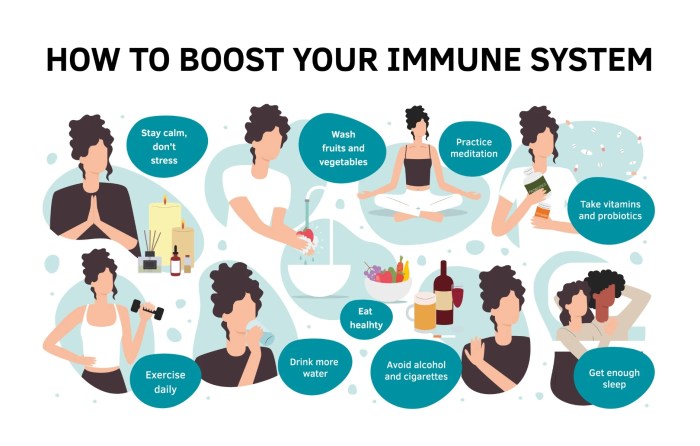
Taking proactive steps to safeguard your immune system is crucial for maintaining overall well-being. Preventive measures go beyond boosting your immune system; they involve adopting healthy habits that reduce your risk of contracting illnesses and support your body’s natural defenses.
Maintaining Good Hygiene Practices
Good hygiene practices are fundamental in preventing the spread of infections. Regular handwashing, particularly after using the restroom, before eating, and after contact with potentially contaminated surfaces, is essential. Using soap and water for at least 20 seconds or an alcohol-based hand sanitizer when soap and water are unavailable effectively removes germs.
Covering your mouth and nose with a tissue or your elbow when coughing or sneezing helps prevent the spread of respiratory droplets. Regularly disinfecting frequently touched surfaces like doorknobs, phones, and keyboards can also minimize the spread of germs.
The Importance of Regular Health Screenings
Regular health screenings play a vital role in early detection and prevention of health issues that can weaken the immune system. These screenings can include blood tests to check for deficiencies in essential nutrients, such as vitamin D, which is crucial for immune function.
Regular checkups with your doctor allow for early detection of underlying conditions that can compromise your immune system, such as diabetes or autoimmune disorders.
Minimizing Exposure to Environmental Toxins
Environmental toxins can significantly impact immune function. Exposure to air pollution, chemicals in household products, and pesticides can weaken the body’s natural defenses. Minimizing exposure to these toxins is crucial. Using eco-friendly cleaning products, choosing organic foods whenever possible, and limiting exposure to secondhand smoke can help reduce your exposure to harmful toxins.
Emerging Medical Innovations for Immune Support
The field of immunology is constantly evolving, with exciting new medical innovations emerging that promise to revolutionize how we approach immune health. These advancements hold the potential to enhance our natural defenses against infections and diseases, potentially leading to more targeted and effective treatments.
Immunotherapy
Immunotherapy focuses on manipulating the body’s own immune system to fight disease. It’s already making waves in cancer treatment, and researchers are exploring its potential for a wider range of conditions.
- Checkpoint inhibitors: These drugs block proteins that help cancer cells evade the immune system, allowing the body’s natural defenses to attack the tumors.
- CAR T-cell therapy: This involves genetically modifying a patient’s own T cells to target and destroy cancer cells. This approach has shown remarkable success in treating certain types of leukemia and lymphoma.
- Vaccines: Vaccines work by stimulating the immune system to produce antibodies against specific pathogens, preventing future infections. Researchers are continuously developing new vaccines for existing and emerging diseases, including personalized vaccines tailored to individual immune profiles.
Personalized Immunotherapy
Personalized immunotherapy takes a patient-centric approach, tailoring treatments to individual genetic and immune profiles.
- Genetic testing: Analyzing an individual’s genes can identify specific immune system variations that might influence their susceptibility to certain diseases or their response to treatments.
- Immune profiling: Assessing the composition and activity of a person’s immune cells can provide valuable insights into their overall immune health and help guide treatment decisions.
- Microbiome analysis: The gut microbiome plays a critical role in immune function. Analyzing the composition of the gut bacteria can help identify potential imbalances that might contribute to immune dysfunction.
Nanomedicine
Nanomedicine involves using nanomaterials to deliver drugs, vaccines, and other therapeutic agents more effectively.
- Nanoparticle-based vaccines: Nanoparticles can encapsulate antigens, delivering them to immune cells more efficiently, leading to stronger immune responses.
- Targeted drug delivery: Nanomaterials can be engineered to target specific cells or tissues, minimizing side effects and improving treatment efficacy.
- Immune system modulation: Nanoparticles can be designed to stimulate or suppress specific immune responses, depending on the therapeutic goal.
Building a Sustainable Immune-Boosting Routine
Building a sustainable immune-boosting routine doesn’t have to be overwhelming. It’s about making small, manageable changes that fit into your lifestyle and gradually become habits. The key is to choose strategies you enjoy and find easy to incorporate into your daily life.
Making Immune-Boosting Habits Stick
Integrating these strategies into your daily routine can significantly improve your immune health.
- Start Small:Don’t try to change everything at once. Choose one or two strategies to focus on initially, and gradually add more as you feel comfortable.
- Set Realistic Goals:Aim for small, achievable changes. For example, instead of trying to drink eight glasses of water a day, start with four and gradually increase the amount.
- Make it Enjoyable:Find ways to make healthy choices enjoyable. Experiment with different recipes, try new physical activities, or listen to music while you exercise.
- Track Your Progress:Keep a journal or use a fitness tracker to track your progress and celebrate your successes. This can help you stay motivated and see the positive impact of your efforts.
- Be Patient and Persistent:Building healthy habits takes time and effort. Don’t get discouraged if you slip up. Just get back on track and keep going.
Personalizing Your Immune-Boosting Plan
It’s important to remember that everyone is different, and what works for one person may not work for another.
- Consult a Healthcare Professional:A healthcare professional can help you create a personalized plan that addresses your individual needs and health history.
- Consider Your Lifestyle:Think about your current lifestyle and identify areas where you can make small changes to improve your immune health.
- Experiment and Adjust:Don’t be afraid to try different strategies and see what works best for you. Adjust your plan as needed to make it sustainable and enjoyable.
Last Word

By adopting a holistic approach to immune health, you can empower your body’s natural defenses and thrive in the face of challenges. Remember, a strong immune system is not just about avoiding illness, it’s about living a vibrant and fulfilling life.
Embrace the practices Artikeld in this guide, and embark on a journey towards optimal immune function and overall well-being.
FAQs: Best Practices For Boosting Immune Support Naturally In 2024
What are some common signs of a weakened immune system?
Frequent colds and infections, slow wound healing, fatigue, and digestive issues can be signs of a weakened immune system.
Can supplements completely replace a healthy diet for immune support?
Supplements can be beneficial, but they should not replace a balanced diet rich in fruits, vegetables, and whole grains.
How often should I exercise to boost my immunity?
Aim for at least 30 minutes of moderate-intensity exercise most days of the week.
Is it safe to take multiple immune-boosting supplements at once?
It’s best to consult with a healthcare professional before taking multiple supplements, as interactions can occur.


More Stories
Stay Hydrated This Summer: Waters Importance
How Dehydration Impacts Energy and Daily Hydrations Importance
Adjusting Sleep for Shift Work: A Hygiene Guide