How to stay motivated to maintain an active lifestyle in 2024 is a question many ask themselves. Achieving fitness goals requires more than just willpower; it demands a strategic approach to cultivate lasting motivation. This guide delves into the key principles that can help you transform exercise from a chore into a fulfilling part of your life.
From setting realistic goals to building a supportive community, we explore practical tips and techniques to make staying active not just a resolution but a sustainable habit. Whether you’re a seasoned athlete or just starting your fitness journey, this comprehensive approach will equip you with the tools and knowledge to stay energized and motivated throughout the year.
The Power of Setting Realistic Goals
Motivation is the key to achieving any goal, especially when it comes to adopting a healthier lifestyle. Setting realistic goals is crucial for maintaining motivation and achieving sustainable success.
Setting SMART Goals
SMART goals are a powerful framework for setting achievable targets. SMART stands for Specific, Measurable, Achievable, Relevant, and Time-bound.
- Specific: Clearly define your goals, avoiding vague statements like “get fit.” Instead, aim for “walk for 30 minutes, three times a week.”
- Measurable: Use quantifiable metrics to track your progress. For example, “lose 10 pounds” is measurable, while “lose weight” is not.
- Achievable: Set goals that challenge you but are within your capabilities. If you’re new to exercise, starting with a daily 15-minute walk is more achievable than a marathon.
- Relevant: Ensure your goals align with your overall fitness objectives and personal values. If you enjoy swimming, setting a goal to swim twice a week is more relevant than focusing on running.
- Time-bound: Establish a deadline for achieving your goals. Having a timeframe creates a sense of urgency and helps you stay on track.
Examples of Realistic Goals
Here are some examples of realistic goals for different fitness levels and age groups:
- Beginner (All Ages):
- Walk for 30 minutes, three times a week.
- Join a beginner’s yoga class.
- Take the stairs instead of the elevator twice a day.
- Intermediate (All Ages):
- Run a 5k race.
- Strength train twice a week.
- Increase your daily steps by 5,000.
- Advanced (All Ages):
- Train for a half-marathon.
- Lift heavier weights and increase repetitions.
- Join a competitive sports team.
Breaking Down Large Goals, How to stay motivated to maintain an active lifestyle in 2024
Large goals can seem overwhelming. Breaking them down into smaller, manageable steps can make them more attainable. For example, if your goal is to run a marathon, you can break it down into these steps:
- Start with short runs and gradually increase the distance and duration.
- Focus on building endurance and strength through cross-training activities.
- Set weekly or monthly milestones to track your progress.
Finding Your Motivation
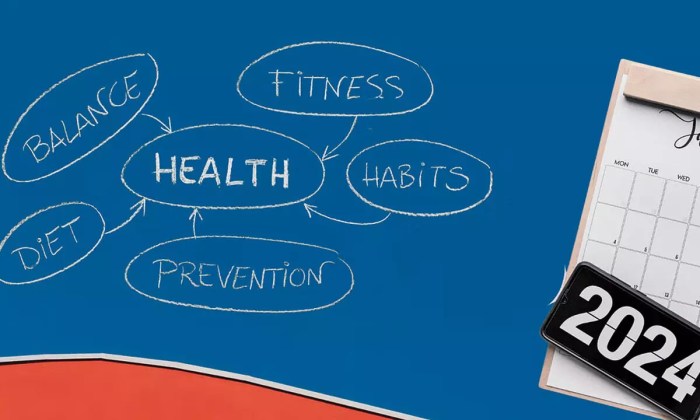
Finding what motivates you to stay active is crucial for maintaining an active lifestyle. Understanding what drives you to move will help you create a sustainable fitness plan. Motivation can stem from internal sources (intrinsic) or external factors (extrinsic).
Understanding Motivation
Intrinsic motivation arises from within, driven by personal enjoyment and satisfaction. Extrinsic motivation, on the other hand, comes from external sources like rewards or social recognition. Both types of motivation can be powerful tools for maintaining an active lifestyle.
Identifying Your Motivators
Identifying your personal motivators is key to finding a sustainable fitness plan. Here are some tips:
- Reflect on your past experiences: Think about activities you’ve enjoyed in the past and what made them fulfilling. Perhaps you loved playing a sport as a child, or found joy in hiking with friends.
- Explore different activities: Experiment with various activities, such as dance, yoga, swimming, or cycling. See what resonates with you and brings you joy.
- Consider your goals: What are you hoping to achieve with an active lifestyle? Do you want to lose weight, improve your cardiovascular health, or simply feel better?
- Focus on the benefits: Think about the positive outcomes of an active lifestyle, such as increased energy, improved mood, and reduced stress.
Harnessing Intrinsic Motivation
Focusing on intrinsic motivation can lead to greater enjoyment and long-term adherence to an active lifestyle. Here are some strategies:
- Choose activities you genuinely enjoy: If you don’t enjoy the activity, you’re less likely to stick with it. Find something that excites you and makes you feel good.
- Set achievable goals: Focus on small, realistic goals that you can easily achieve. This builds momentum and provides a sense of accomplishment.
- Focus on the process, not just the outcome: Enjoy the journey and the feeling of movement, rather than solely focusing on the end result.
- Find a workout buddy: Exercising with a friend can make it more fun and motivating. You can support each other and hold each other accountable.
Leveraging Extrinsic Motivation
Extrinsic motivation can provide an extra push when you need it. Here are some ways to utilize it:
- Set rewards for reaching milestones: Reward yourself for achieving your fitness goals. This could be anything from buying a new workout outfit to treating yourself to a massage.
- Join a fitness challenge: Participate in a group fitness challenge or a virtual race. This can provide a sense of competition and motivation.
- Track your progress: Keeping track of your workouts and progress can be motivating. Use a fitness tracker or journal to see how far you’ve come.
- Share your goals with others: Telling your friends and family about your fitness goals can provide accountability and support.
Creating a Personalized Reward System
A personalized reward system can help you stay motivated and on track. Here are some tips:
- Identify your values: What things are important to you? Use this to guide your reward choices.
- Set specific goals: Determine what you want to achieve and create rewards that align with your goals.
- Make it meaningful: Choose rewards that are truly motivating and enjoyable for you.
- Be consistent: Reward yourself consistently for reaching your milestones. This reinforces positive behavior.
Making Exercise a Habit

Consistency is key to reaping the benefits of an active lifestyle. Integrating exercise into your daily routine can seem daunting, but with the right strategies, it can become a natural part of your day.
Creating a Sustainable Exercise Routine
- Start Small and Gradually Increase Intensity:Begin with short, manageable workouts and gradually increase duration and intensity as you build stamina. This approach helps prevent burnout and promotes long-term adherence.
- Schedule Exercise Like Important Appointments:Treat your workout sessions as non-negotiable commitments, scheduling them into your calendar just like any other important appointment. This helps ensure you prioritize exercise and allocate dedicated time for it.
- Find an Exercise Buddy:Having a workout partner can provide motivation, accountability, and social support. It can also make exercise more enjoyable and help you stay on track.
Finding Enjoyable Activities
- Explore Different Activities:Experiment with various forms of exercise to discover what you truly enjoy. This could include activities like dancing, swimming, hiking, cycling, or team sports.
- Listen to Your Body:Pay attention to what your body is telling you and choose activities that feel good and align with your physical capabilities.
- Make it Fun:Incorporate activities that you find enjoyable and engaging, such as listening to music, podcasts, or watching TV while exercising.
Overcoming Common Barriers
- Time Management:Incorporate short bursts of exercise into your day, such as taking the stairs instead of the elevator, walking during your lunch break, or doing a quick workout at home.
- Motivation:Set realistic goals, track your progress, and reward yourself for achieving milestones. This helps maintain motivation and keeps you engaged in your fitness journey.
- Access to Facilities:Explore free or low-cost options, such as outdoor parks, community centers, or online fitness classes. There are also numerous resources available for home workouts.
Fueling Your Body
Imagine your body as a high-performance machine. Just like a car needs the right fuel to run smoothly, your body requires a balanced diet to perform at its best. Proper nutrition is essential for maintaining energy levels, building muscle, and supporting recovery after exercise.
The Importance of a Balanced Diet
A balanced diet provides your body with the essential nutrients it needs to function optimally. This includes macronutrients (carbohydrates, protein, and fat) and micronutrients (vitamins and minerals). Carbohydrates provide energy for your workouts, protein helps repair and build muscle, and healthy fats support hormone production and cell function.
Vitamins and minerals are vital for a range of bodily processes, including immune function, bone health, and energy metabolism.
Healthy Meal Plans and Snack Options
Here are some examples of healthy meal plans and snack options that support an active lifestyle:
Breakfast
- Oatmeal with berries and nuts
- Greek yogurt with fruit and granola
- Whole-wheat toast with avocado and egg
Lunch
- Salad with grilled chicken or fish
- Lentil soup with whole-wheat bread
- Tuna sandwich on whole-wheat bread
Dinner
- Salmon with roasted vegetables
- Chicken stir-fry with brown rice
- Lentil and vegetable curry
Snacks
- Fruits and vegetables
- Trail mix
- Yogurt
Hydration
Water is essential for maintaining energy levels and preventing fatigue. During exercise, your body loses fluids through sweat. It’s important to replenish these fluids by drinking water before, during, and after your workouts. Aim to drink at least eight glasses of water per day.
“Staying hydrated is crucial for maintaining energy levels and preventing fatigue. Dehydration can lead to decreased performance and increased risk of injury.”
The Importance of Rest and Recovery
Think of rest and recovery as the unsung heroes of your fitness journey. While exercise is essential, giving your body the time and space to repair and rebuild is equally important. Adequate rest allows your muscles to recover, replenishes energy stores, and strengthens your immune system, ultimately supporting your long-term fitness goals.
Sleep: The Foundation of Recovery
Sleep is the most crucial aspect of rest and recovery. During sleep, your body goes into repair mode, rebuilding muscle tissue, restoring energy levels, and regulating hormones essential for growth and repair. Getting enough sleep can enhance your athletic performance, improve your mood, and boost your immune system.
- Aim for 7-9 hours of quality sleep each night. This allows your body sufficient time to complete its recovery processes.
- Establish a consistent sleep schedule, going to bed and waking up around the same time each day, even on weekends, to regulate your body’s natural sleep-wake cycle.
- Create a relaxing bedtime routinethat signals to your body it’s time to wind down. This could include taking a warm bath, reading a book, or listening to calming music.
- Ensure your sleep environment is conducive to rest. This includes a dark, quiet, and cool room. Consider using blackout curtains, earplugs, or a white noise machine to minimize distractions.
Active Recovery: Keeping Your Body Moving
Active recovery strategies help you stay active while allowing your muscles to rest and rebuild. These strategies include light activities like walking, swimming, or yoga, which promote blood flow and flexibility without putting excessive stress on your muscles.
- Stretchinghelps improve flexibility, reduce muscle soreness, and increase range of motion.
- Foam rollingcan alleviate muscle tightness and soreness by releasing knots and improving blood flow.
- Light cardio, like walking or swimming, can help improve circulation and reduce muscle stiffness.
Stress Management for a Healthy Lifestyle
Stress is an unavoidable part of life, but chronic stress can have a detrimental impact on your physical and mental well-being. It can lead to a range of health problems, including heart disease, high blood pressure, and weakened immunity.
Managing stress is crucial for maintaining an active lifestyle and achieving overall health.
Effective Stress Management Techniques
Stress management techniques can help you cope with the pressures of daily life and improve your overall well-being. These techniques can be incorporated into your daily routine to reduce stress levels and promote a healthier lifestyle.
- Mindfulness:Mindfulness is a practice that involves focusing your attention on the present moment without judgment. This can be done through simple exercises such as focusing on your breath or observing your surroundings. Regular mindfulness practice can help you become more aware of your thoughts and feelings, allowing you to manage stress more effectively.
- Meditation:Meditation is a practice that involves focusing your attention on a single point, such as your breath, a mantra, or an image. Regular meditation can help to calm your mind, reduce anxiety, and improve your overall well-being.
- Yoga:Yoga is a practice that combines physical postures, breathing techniques, and meditation. Yoga can help to improve flexibility, strength, and balance, while also reducing stress and anxiety.
- Deep Breathing Exercises:Deep breathing exercises can help to calm your nervous system and reduce stress. These exercises involve taking slow, deep breaths and focusing on your breath as you inhale and exhale.
Seeking Professional Help
If you are struggling to manage stress on your own, seeking professional help is essential. A therapist or counselor can provide you with tools and strategies to manage stress effectively. They can also help you identify the sources of your stress and develop coping mechanisms.
Building Mental Resilience
Maintaining an active lifestyle isn’t just about physical fitness; it’s also about mental strength. Mental resilience is your ability to bounce back from setbacks, stay motivated, and adapt to challenges that come your way. It’s a crucial component of long-term success in your fitness journey.
Strategies for Building Mental Resilience
Building mental resilience is an ongoing process. Here are some strategies you can incorporate into your daily life:
Positive Self-Talk
Positive self-talk is a powerful tool for building mental resilience. It involves replacing negative thoughts with positive affirmations. Instead of focusing on what you can’t do, remind yourself of your strengths and past accomplishments.
Gratitude Practices
Gratitude is a powerful emotion that can shift your perspective and boost your mood. Take time each day to reflect on the things you’re grateful for, no matter how small. This can help you appreciate the good in your life and build a more positive outlook.
Seeking Social Support
Surrounding yourself with supportive friends and family can provide you with encouragement and accountability. Share your fitness goals with them and ask for their support.
Celebrating Successes
Don’t underestimate the importance of celebrating your achievements, no matter how small they may seem. Acknowledge your progress and reward yourself for your efforts. This will help you stay motivated and reinforce your commitment to your goals.
Learning from Setbacks
Setbacks are inevitable on any fitness journey. Instead of getting discouraged, view them as opportunities to learn and grow. Analyze what went wrong, adjust your approach, and move forward with renewed determination.
The Benefits of a Strong Support System
Maintaining an active lifestyle can be challenging, especially when faced with obstacles like lack of motivation or time constraints. Having a strong support system can make a world of difference in staying on track. Social support plays a crucial role in fostering motivation, accountability, and enjoyment in your fitness journey.
Finding Your Support System
Building a supportive network involves actively seeking out individuals who share your fitness goals or simply encourage your healthy habits.
- Connect with friends and family:Share your fitness goals with your loved ones and ask for their support. Encourage them to join you for workouts or simply offer words of encouragement.
- Join fitness communities:Look for local gyms, fitness classes, or online communities where you can connect with like-minded individuals. Participating in group activities can foster a sense of belonging and motivation.
- Seek out accountability partners:Find someone who is also committed to their fitness goals and agree to check in with each other regularly. Having someone to hold you accountable can significantly increase your chances of success.
Benefits of Accountability Partners and Workout Buddies
Accountability partners and workout buddies can significantly contribute to your fitness journey.
- Motivation and encouragement:Having someone to share your goals with and cheer you on can provide invaluable motivation.
- Increased accountability:Knowing that you have someone to answer to can help you stay committed to your workouts.
- Fun and social interaction:Working out with a friend can make exercise more enjoyable and less daunting.
- Reduced risk of injury:Working out with a partner can provide extra safety and help you maintain proper form.
Staying Consistent and Making it Fun
Staying motivated to maintain an active lifestyle is a journey, not a sprint. While setting realistic goals, finding your motivation, and making exercise a habit are essential, consistency is the key to long-term success. To keep your momentum going, it’s crucial to make exercise enjoyable and find ways to prevent burnout.
Finding Enjoyable Activities
It’s much easier to stick with an exercise routine if you genuinely enjoy the activities you’re doing. The best way to ensure long-term motivation is to find activities that you look forward to and that align with your interests.
- Explore Different Activities:Don’t be afraid to try new things! There are countless ways to stay active, from traditional sports like basketball or tennis to dance classes, yoga, or hiking. Experiment until you discover activities that truly spark your interest.
- Listen to Your Body:Pay attention to what your body enjoys. If you find yourself dreading a particular activity, don’t force yourself. Instead, seek out alternatives that you find more appealing.
- Make it Social:Exercising with friends or family can be a great way to stay motivated and have fun. Join a group fitness class, go for a run with a friend, or participate in a team sport.
Staying Consistent and Avoiding Burnout
Consistency is crucial for building fitness and seeing results. However, it’s also essential to avoid overtraining and burnout.
- Start Small:Don’t try to do too much too soon. Begin with a manageable workout routine and gradually increase the intensity and duration as you get stronger.
- Listen to Your Body:Pay attention to your body’s signals. If you’re feeling fatigued or sore, take a rest day. Pushing yourself too hard can lead to injuries and burnout.
- Mix it Up:Variety is key to keeping things interesting and preventing boredom. Alternate between different types of exercise to challenge your body in different ways.
- Set Realistic Goals:Don’t set unrealistic expectations for yourself. Focus on making small, achievable goals and celebrate your progress along the way.
Making Exercise Fun and Rewarding
Exercise shouldn’t feel like a chore. Here are some tips for making it a fun and rewarding experience:
- Listen to Music:Music can be a powerful motivator and make workouts more enjoyable. Create a playlist of your favorite songs and listen to it while you exercise.
- Watch TV or Movies:If you find it hard to stay motivated during a workout, consider watching TV or a movie. Just make sure you’re still moving and getting a good workout.
- Reward Yourself:Rewarding yourself for reaching your fitness goals can be a great motivator. Set small, achievable goals and treat yourself to something you enjoy when you reach them.
- Join a Challenge:Participating in a fitness challenge with friends or family can add an element of fun and competition. It can also help you stay accountable and motivated.
Celebrating Progress and Recognizing Achievements
Maintaining an active lifestyle is a journey, not a destination. It’s essential to acknowledge your progress and celebrate your achievements along the way. This positive reinforcement fuels motivation, keeps you engaged, and helps you stay committed to your goals.
Tracking Progress and Celebrating Achievements
Tracking your progress is crucial for understanding your journey and recognizing your accomplishments. Here are some effective ways to monitor your progress:
- Use a Fitness Tracker:Wearable devices like fitness trackers or smartwatches can monitor your steps, distance, calories burned, and sleep patterns, providing valuable insights into your activity levels. This data can be motivating and help you identify areas for improvement.
- Keep a Journal:A simple journal can be a powerful tool for tracking your workouts, noting your feelings, and reflecting on your progress. It can be a great way to document your journey and celebrate milestones.
- Set Realistic Goals:Break down your fitness goals into smaller, achievable milestones. This will make it easier to track progress and celebrate each accomplishment along the way. For example, if your goal is to run a 5k, you can set milestones like completing a 1-mile run, then a 2-mile run, and so on.
Celebrate each milestone as you reach it.
- Reward Yourself:When you reach a goal, reward yourself with something you enjoy. It could be a new workout outfit, a massage, a healthy meal, or a day off from exercise. This positive reinforcement will help you stay motivated and engaged.
The Benefits of Positive Reinforcement and Self-Compassion
Positive reinforcement and self-compassion are essential for maintaining motivation and building a sustainable active lifestyle.
- Positive Reinforcement:Celebrating your successes reinforces positive behaviors and motivates you to continue striving for your goals. It helps you focus on your accomplishments rather than dwelling on setbacks. This positive feedback loop keeps you motivated and engaged in your fitness journey.
- Self-Compassion:Be kind to yourself and acknowledge that everyone has setbacks. Don’t beat yourself up for missing a workout or not achieving a goal. Instead, learn from your mistakes and move forward with renewed determination. Self-compassion helps you stay resilient and maintain a positive mindset, which is crucial for long-term success.
“Celebrate the small wins, because they are the building blocks of bigger achievements.”
Last Word
Maintaining an active lifestyle is a journey, not a destination. It’s about embracing the process, celebrating your progress, and finding joy in movement. By implementing the strategies Artikeld in this guide, you can cultivate a deep sense of motivation that fuels your fitness goals and transforms your relationship with exercise.
Remember, staying active is not just about physical well-being; it’s about cultivating a stronger, more resilient you, both inside and out.
FAQ: How To Stay Motivated To Maintain An Active Lifestyle In 2024
How can I make exercise more enjoyable?
Find activities you genuinely enjoy! Experiment with different forms of exercise until you discover what sparks your interest. Consider joining a fitness class, trying a new sport, or exploring outdoor activities like hiking or biking.
What if I don’t have time for exercise?
Even small amounts of activity can make a difference. Start with short workouts, incorporate movement into your daily routine, and gradually increase the duration and intensity as you build stamina.
How can I stay motivated when I hit a plateau?
Plateaus are normal. Don’t get discouraged! Try switching up your routine, challenging yourself with new goals, or seeking guidance from a fitness professional.


More Stories