How to incorporate seasonal ingredients into healthy recipes is a journey that not only enhances your meals but also your well-being. Embracing the bounty of nature’s calendar allows you to savor the freshest flavors, maximize nutritional value, and align your diet with the rhythms of the earth.
From the vibrant greens of spring to the hearty root vegetables of winter, each season offers a unique palette of ingredients brimming with health benefits. By understanding the seasonal cycle and its impact on food, you can create delicious and nutritious meals that are both flavorful and beneficial.
Seasonal Ingredients
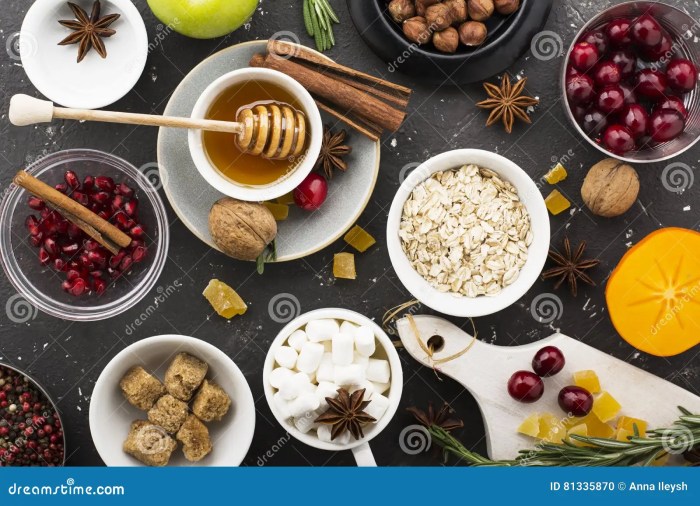
Embracing the rhythms of nature, seasonal ingredients offer a culinary journey that tantalizes the taste buds and nourishes the body. They provide a delightful array of flavors and textures, while also promoting a healthier lifestyle.
The Benefits of Seasonal Eating
Choosing seasonal produce aligns with the natural cycles of growth and harvest, resulting in a more sustainable and environmentally conscious approach to eating. When fruits and vegetables are at their peak, they are bursting with flavor, nutrients, and antioxidants.
This is because they have been grown in their optimal conditions, maximizing their nutritional value. Moreover, seasonal ingredients are often locally sourced, reducing transportation costs and carbon emissions, contributing to a greener footprint.
Seasonal Ingredients and a Healthier Diet
Seasonal ingredients are an integral part of a balanced and nutritious diet. They are naturally rich in vitamins, minerals, and fiber, essential for maintaining good health and well-being. Eating seasonally helps to diversify your diet, ensuring that you are consuming a wide range of nutrients.
Seasonal Ingredients: A Culinary Calendar, How to incorporate seasonal ingredients into healthy recipes
Spring
Spring is a time of renewal, and the bounty of fresh produce reflects this vibrant energy. Asparagus, with its delicate stalks and earthy flavor, is a quintessential spring vegetable. It is a good source of vitamin K, folate, and fiber.
Rhubarb, with its tart flavor, is a versatile ingredient for pies, jams, and sauces. It is rich in vitamin C and antioxidants. Strawberries, bursting with sweetness, are a delightful treat. They are packed with vitamin C and antioxidants.
Summer
Summer is a season of abundance, with a cornucopia of fruits and vegetables reaching their peak. Tomatoes, juicy and flavorful, are a summer staple. They are a good source of lycopene, a powerful antioxidant. Corn, with its sweet kernels, is a versatile ingredient for salads, soups, and grilled dishes.
It is a good source of fiber and vitamin B. Watermelon, refreshing and hydrating, is a summer favorite. It is a good source of vitamin C and lycopene.
Autumn
Autumn is a time of transition, with the harvest reaching its peak. Pumpkins, with their vibrant orange hue, are a symbol of autumn. They are a good source of vitamin A and fiber. Apples, crisp and juicy, are a versatile fruit for pies, sauces, and snacks.
They are a good source of vitamin C and fiber. Mushrooms, earthy and flavorful, are a versatile ingredient for soups, stews, and stir-fries. They are a good source of vitamin D and selenium.
Winter
Winter is a time of rest and rejuvenation, and the produce reflects this. Root vegetables, such as carrots, potatoes, and turnips, are hearty and nutritious. They are a good source of vitamins, minerals, and fiber. Citrus fruits, such as oranges, grapefruits, and lemons, are a good source of vitamin C and antioxidants.
They provide a refreshing burst of flavor during the colder months. Kale, with its dark green leaves, is a winter superfood. It is a good source of vitamins, minerals, and antioxidants.
Incorporating Seasonality into Healthy Recipes
Eating seasonally means enjoying fresh, flavorful ingredients that are at their peak in terms of taste and nutritional value. It also supports local farmers and reduces your environmental footprint. By incorporating seasonal ingredients into your recipes, you can create healthy and delicious meals that are in harmony with nature’s cycles.
Seasonal Ingredient and Recipe Ideas
Seasonal ingredients offer a wide range of flavors and textures that can enhance your recipes. Here is a table showcasing seasonal ingredients with corresponding healthy recipe ideas:| Season | Ingredient | Recipe Ideas ||—|—|—|| Spring | Asparagus | Asparagus and Goat Cheese Quiche, Roasted Asparagus with Lemon and Garlic || Spring | Strawberries | Strawberry Spinach Salad, Strawberry Chia Seed Pudding || Summer | Tomatoes | Caprese Salad, Tomato Basil Soup || Summer | Zucchini | Zucchini Noodles with Pesto, Grilled Zucchini with Herbs || Fall | Butternut Squash | Roasted Butternut Squash Soup, Butternut Squash and Apple Salad || Fall | Apples | Apple Cinnamon Oatmeal, Apple Crumble || Winter | Citrus Fruits | Citrus Salad with Pomegranate, Orange and Ginger Smoothie || Winter | Root Vegetables | Roasted Root Vegetables with Herbs, Carrot Ginger Soup |
Incorporating Seasonal Ingredients into Meal Categories
Here are some tips for incorporating seasonal ingredients into various meal categories:* Breakfast:Start your day with seasonal fruits like berries, melons, or apples. Use seasonal vegetables like zucchini or squash in frittatas or omelets.
Lunch
Pack a salad with seasonal greens, vegetables, and fruits. Enjoy a seasonal soup made with fresh vegetables.
Dinner
Roast seasonal vegetables like carrots, beets, or sweet potatoes. Grill seasonal fruits like peaches or plums.
Snacks
Enjoy seasonal fruit as a snack. Make a seasonal smoothie with fruits and vegetables.
Seasonal Recipe: Roasted Butternut Squash with Maple Glaze
This recipe showcases the sweet and savory flavors of butternut squash, a popular fall ingredient. Ingredients:* 1 medium butternut squash, peeled, seeded, and cubed
- 2 tablespoons olive oil
- 1 tablespoon maple syrup
- 1/2 teaspoon ground cinnamon
- 1/4 teaspoon salt
- 1/4 teaspoon black pepper
Instructions:
- Preheat oven to 400 degrees F (200 degrees C).
- Toss the butternut squash cubes with olive oil, maple syrup, cinnamon, salt, and pepper in a bowl.
- Spread the squash in a single layer on a baking sheet.
- Roast for 20-25 minutes, or until tender and slightly caramelized.
This recipe is a delicious and healthy way to enjoy butternut squash, a versatile ingredient that can be used in various dishes.
Sourcing Seasonal Ingredients
Sourcing seasonal ingredients is a key aspect of incorporating them into your healthy recipes. By choosing produce that is in season, you’re not only enjoying the peak flavor and quality of the ingredients but also contributing to a more sustainable food system.
Local Sourcing and Sustainability
Local sourcing plays a vital role in promoting sustainability. When you buy from local farmers, you reduce the environmental impact associated with transporting food over long distances. This minimizes the carbon footprint associated with transportation, packaging, and storage. Additionally, local sourcing supports local farmers and communities, fostering economic growth and strengthening the agricultural ecosystem.
Benefits of Buying from Farmers Markets or Local Farms
Buying from farmers markets or local farms offers numerous benefits beyond sustainability. You can often find a wider variety of fresh, seasonal produce than at conventional supermarkets. Farmers markets also provide an opportunity to interact with the farmers directly, learn about their farming practices, and ask questions about the origin and freshness of the ingredients.
Finding Seasonal Ingredients in Your Area
Finding seasonal ingredients in your area is easier than you might think.
- Farmers Markets:These markets are excellent sources of fresh, local produce. You can find a list of farmers markets in your area online or through local publications. Many farmers markets operate seasonally, so it’s essential to check their schedules.
- Local Farms:Many farms offer pick-your-own options, allowing you to harvest your produce directly from the source. This is a fun and rewarding experience, and you can be sure the ingredients are fresh and ripe.
- Community Supported Agriculture (CSA):A CSA program allows you to subscribe to a farm and receive a regular share of seasonal produce throughout the year. This is a great way to support local farmers and ensure a consistent supply of fresh, seasonal ingredients.
- Local Grocery Stores:Even conventional grocery stores often have sections dedicated to local produce. Look for signs that indicate the origin of the produce, or ask the store staff for information about local options.
- Online Resources:Several online resources can help you find seasonal ingredients in your area. Websites like LocalHarvest.org and EatSeasonally.com provide information on local farms, farmers markets, and seasonal produce guides.
Seasonal Cooking Techniques
Cooking techniques play a vital role in maximizing the flavor and nutritional value of seasonal ingredients. Different methods can enhance the natural sweetness of summer fruits, bring out the earthy notes of winter vegetables, or preserve the delicate flavors of spring herbs.
Preserving Seasonal Ingredients
Preserving seasonal ingredients allows you to enjoy their flavors throughout the year. Techniques like canning, freezing, and drying help extend the shelf life of produce, ensuring you have access to fresh, nutritious ingredients even when they are not in season.
- Canning: Canning involves sealing food in jars and processing them in a boiling water bath or pressure cooker. This method is suitable for fruits, vegetables, and even some meats. Canning preserves the texture and flavor of ingredients, making them readily available for later use.
For instance, canning tomatoes allows you to enjoy their vibrant flavor in sauces, soups, and salsas throughout the year.
- Freezing: Freezing is a simple and efficient method for preserving seasonal produce. It involves blanching fruits and vegetables in boiling water for a brief period, followed by rapid cooling and packaging in freezer-safe containers. Freezing helps retain the nutritional value and texture of ingredients, allowing you to enjoy them in smoothies, baked goods, or stir-fries.
- Drying: Drying involves removing moisture from food, extending its shelf life and concentrating its flavor. This method is particularly effective for fruits, herbs, and vegetables. Dehydrated ingredients can be used in various dishes, from soups and stews to trail mixes and snacks.
The Benefits of a Seasonal Diet
Embracing a seasonal diet goes beyond simply enjoying the freshest flavors; it’s a mindful approach to eating that can significantly benefit your overall health and well-being. By aligning your meals with the natural rhythms of the seasons, you can unlock a world of nutritional benefits, boost your immune system, and enhance your overall vitality.
Seasonal Eating and Immune Support
A seasonal diet is packed with nature’s bounty of vitamins, minerals, and antioxidants, which are crucial for a robust immune system. When you consume fruits and vegetables that are in season, they are at their peak in terms of nutrient density.
This means they contain higher concentrations of essential vitamins and minerals, such as vitamin C, which is known for its immune-boosting properties.
For instance, consuming seasonal fruits like oranges, grapefruits, and lemons during the winter months can provide a natural dose of vitamin C to help your body fight off colds and flu.
Additionally, seasonal produce often contains higher levels of antioxidants, which act as natural protectors against cell damage caused by free radicals. These antioxidants help strengthen your immune system, making you less susceptible to infections and illnesses.
The Impact of Seasonal Eating on Mental Clarity, Energy Levels, and Digestion
A seasonal diet can positively impact your mental clarity, energy levels, and digestive health.
- Mental Clarity: Seasonal foods are rich in nutrients that support brain function, such as omega-3 fatty acids found in fatty fish like salmon, which is often in season during the summer months. These nutrients can enhance cognitive function, improve memory, and promote mental alertness.
- Energy Levels: Seasonal produce is packed with vitamins and minerals that play a vital role in energy production. For example, iron-rich leafy greens, often abundant in the spring and summer, help your body carry oxygen to cells, boosting energy levels.
- Digestion: Seasonal fruits and vegetables are naturally higher in fiber, which is essential for healthy digestion. Fiber helps regulate bowel movements, promotes a healthy gut microbiome, and aids in nutrient absorption.
Healthy Lifestyle Connections
Incorporating seasonal ingredients into your diet can be a powerful tool for aligning your eating habits with a healthy lifestyle. It promotes mindful eating, supports local farmers, and contributes to overall well-being.
Seasonal Eating and Stress Management
Eating seasonally can contribute to stress management in several ways.
- Increased Nutrient Intake:Seasonal produce is typically at its peak ripeness, offering higher concentrations of vitamins, minerals, and antioxidants. These nutrients play a crucial role in supporting mental health and reducing stress levels.
- Mindful Eating:Seasonal eating encourages a more mindful approach to food choices. It involves appreciating the natural rhythms of the seasons and enjoying foods that are in abundance at a particular time. This mindfulness can promote relaxation and reduce stress.
- Reduced Exposure to Pesticides:Seasonal fruits and vegetables often have lower pesticide residues than produce shipped from distant locations. This can contribute to a healthier lifestyle and reduce exposure to potentially harmful chemicals.
Seasonal Ingredients and Weight Management
Seasonal ingredients can play a role in maintaining a healthy weight.
- Lower Calorie Density:Many seasonal fruits and vegetables are naturally low in calories and high in fiber. This can help you feel full and satisfied with smaller portions, making it easier to manage your calorie intake.
- Increased Satiety:Fiber-rich foods like seasonal produce help regulate digestion and promote feelings of fullness. This can reduce cravings and prevent overeating, contributing to weight management.
- Improved Metabolism:The nutrients found in seasonal foods can support a healthy metabolism, which is essential for burning calories and maintaining a healthy weight.
Expanding Your Culinary Horizons
Seasonality isn’t just about eating what’s in season; it’s also a fantastic opportunity to broaden your culinary horizons and explore different cuisines and cooking techniques. By embracing seasonal ingredients, you open yourself up to a world of flavors and textures you may not have experienced before.
Exploring Global Cuisines
Seasonal ingredients are often the heart and soul of many culinary traditions around the world. By incorporating them into your recipes, you can embark on a flavorful journey through different cultures.
| Season | Ingredient | Cuisine | Recipe Example |
|---|---|---|---|
| Spring | Asparagus | Italian | Risotto with Asparagus and Parmesan |
| Summer | Tomatoes | Mediterranean | Caprese Salad with Fresh Basil |
| Fall | Pumpkin | American | Pumpkin Pie with Spiced Cream |
| Winter | Brussels Sprouts | Belgian | Roasted Brussels Sprouts with Bacon and Maple Syrup |
Exploring New Recipes and Techniques
Seasonal ingredients can inspire you to try new recipes and cooking techniques.
“Don’t be afraid to experiment and get creative in the kitchen! You can find countless recipe ideas online or in cookbooks.”
For example, if you’re working with summer berries, you might try making a fresh fruit salad with a balsamic vinaigrette or a homemade berry jam. Or, if you have a bounty of fall squash, you could explore roasting techniques or try making a flavorful soup.
Embracing Creativity
Seasonal ingredients provide a canvas for culinary creativity. You can use them in unexpected ways to create unique and delicious dishes.
“Think outside the box! Don’t be afraid to experiment with different flavor combinations and cooking methods.”
For instance, you can use summer peaches in savory dishes like grilled chicken with peach salsa or peach chutney. Or, you could use winter citrus fruits like oranges and lemons to add a bright and refreshing touch to salads, soups, or desserts.
Seasonal Eating for All Seasons

Embracing seasonal eating isn’t just about savoring the freshest flavors; it’s a journey that connects you to nature’s rhythm and enriches your well-being. This approach allows you to enjoy the peak of each season’s bounty while supporting sustainable farming practices and benefiting from nature’s diverse nutrients.
Creating a Seasonal Meal Plan
A seasonal meal plan is a guide that helps you make the most of the available produce throughout the year. It’s about planning your meals around what’s in season, ensuring freshness, flavor, and affordability. Here’s a sample weekly meal plan that incorporates a variety of seasonal ingredients and dishes:
Sample Weekly Seasonal Meal Plan
- Monday:Grilled Salmon with Roasted Summer Squash and Zucchini
- Tuesday:Lentil Soup with Hearty Fall Vegetables like Butternut Squash and Kale
- Wednesday:Chicken Stir-Fry with Fresh Spring Vegetables like Asparagus and Snap Peas
- Thursday:Creamy Tomato Pasta with Summer Tomatoes and Basil
- Friday:Roasted Winter Vegetables with Chickpeas and a Lemon-Herb Dressing
- Saturday:Summer Berry Salad with a Light Vinaigrette
- Sunday:Hearty Winter Stew with Root Vegetables and Beef
Planning and Prepping Meals
Planning and prepping meals in advance can make seasonal eating easier and more enjoyable. It helps you stay organized, reduce food waste, and save time during the week.
Tips for Planning and Prepping
- Make a Weekly Meal Plan:Plan your meals for the week, considering what’s in season and your dietary needs.
- Create a Grocery List:Make a detailed grocery list based on your meal plan to avoid impulse purchases.
- Batch Cook:Prepare large batches of ingredients like roasted vegetables or grains to use throughout the week.
- Prep Ahead:Chop vegetables, measure spices, and pre-marinate proteins to save time during the week.
- Freeze Leftovers:Freeze leftover meals or ingredients for later use to reduce food waste.
Adapting Recipes
Every individual has unique dietary needs and preferences. It’s essential to adapt recipes to accommodate these variations.
Tips for Adapting Recipes
- Substitute Ingredients:Swap out ingredients based on your preferences or dietary restrictions. For example, replace dairy with plant-based alternatives or use gluten-free flours.
- Adjust Cooking Methods:Adjust cooking methods to suit your needs. If you prefer lighter meals, try grilling, baking, or steaming instead of frying.
- Experiment with Flavors:Don’t be afraid to experiment with different flavors and spices to create unique and personalized dishes.
Ultimate Conclusion: How To Incorporate Seasonal Ingredients Into Healthy Recipes
Incorporating seasonal ingredients into your healthy recipes is a rewarding endeavor that enriches your culinary experience and promotes a harmonious relationship with nature. By embracing the seasonal bounty, you not only nourish your body but also contribute to a sustainable food system, fostering a deeper connection with the land and the foods that sustain us.
User Queries
What are the best resources for finding seasonal ingredients in my area?
Farmers markets are excellent sources, offering a wide variety of fresh, locally grown produce. Online resources like local food guides and websites dedicated to seasonal produce can also be helpful.
How can I incorporate seasonal ingredients into my meals if I have dietary restrictions?
Many seasonal ingredients can be adapted to various dietary needs. Consult with a registered dietitian or nutritionist for personalized guidance on incorporating seasonal ingredients into your specific dietary plan.
What are some tips for preserving seasonal ingredients for later use?
Freezing, canning, drying, and pickling are effective methods for preserving seasonal produce. Research the appropriate techniques for each ingredient to ensure proper storage and quality.


More Stories