Nutritional Balance Tips for Kids
Maintaining a balanced diet is crucial for children’s overall health and well-being. Here are some general tips to ensure kids are getting the nutrients they need:
Key Nutrients for Kids’ Growth and Development
- Protein: Essential for growth and repair of tissues.
- Calcium: Important for bone health and development.
- Vitamin D: Helps the body absorb calcium and supports bone growth.
- Iron: Necessary for the production of hemoglobin and overall energy levels.
Importance of Portion Control and Meal Planning
Nutritional balance tips for kids – Proper portion control is key to preventing overeating and maintaining a healthy weight. Meal planning can help ensure children are getting a variety of nutrients in their diet and avoid relying on unhealthy snacks.
Healthy Snack Options for Kids
- Fruit slices with nut butter
- Vegetable sticks with hummus
- Greek yogurt with granola and berries
- Air-popped popcorn with a sprinkle of cinnamon
Healthy Habits
Establishing healthy habits in childhood plays a crucial role in shaping a child’s overall well-being. These habits not only promote physical health but also contribute to mental and emotional well-being.
Regular Physical Activity
Regular physical activity is essential for kids’ overall health. It helps in maintaining a healthy weight, strengthening bones and muscles, improving cardiovascular fitness, and boosting mood and energy levels. Encouraging children to engage in activities they enjoy, such as sports, dancing, or cycling, can make exercise fun and sustainable.
Consistent Bedtime Routine
Creating a consistent bedtime routine is key to optimal health for kids. A regular sleep schedule helps improve concentration, mood, behavior, and overall cognitive function. Tips for establishing a bedtime routine include setting a specific bedtime, creating a calming bedtime environment, and avoiding stimulating activities before bed.
Reducing Screen Time and Promoting Outdoor Play
Reducing screen time and promoting outdoor play are essential for kids’ health and development. Excessive screen time can lead to physical health issues, such as obesity, poor posture, and eye strain, as well as affect mental health. Encouraging outdoor play not only provides physical activity but also allows children to explore, imagine, and socialize. Strategies for reducing screen time include setting limits, encouraging alternative activities, and involving the whole family in outdoor adventures.
Emotional Wellbeing
Proper nutrition plays a crucial role in children’s emotional wellbeing. The food they eat can directly impact their mood, behavior, and overall mental health. By focusing on healthy eating habits, parents can help foster emotional resilience in their kids and promote positive emotional development.
Impact of Healthy Eating on Mood and Behavior
Eating a balanced diet rich in nutrients like omega-3 fatty acids, complex carbohydrates, and vitamins can have a profound impact on children’s mood and behavior. Studies have shown that certain foods can help regulate neurotransmitters in the brain, such as serotonin and dopamine, which are essential for emotional stability. By incorporating mood-boosting foods into their diet, parents can support their children in managing stress, anxiety, and mood swings effectively.
- Include foods rich in omega-3 fatty acids like salmon, walnuts, and flaxseeds to support brain health and improve mood.
- Encourage the consumption of complex carbohydrates found in whole grains, fruits, and vegetables to provide a steady source of energy and promote stable blood sugar levels.
- Ensure adequate intake of vitamins and minerals, such as vitamin D, B vitamins, and magnesium, which are essential for overall mental health and emotional wellbeing.
- Avoid processed foods high in sugar, artificial additives, and trans fats, as they can negatively impact mood and behavior in children.
Techniques for Fostering Emotional Resilience
In addition to incorporating mood-boosting foods into their diet, parents can adopt various techniques to foster emotional resilience in children through diet. Creating a positive eating environment, involving children in meal planning and preparation, and practicing mindful eating can all contribute to promoting emotional wellbeing and healthy relationships with food.
- Encourage open communication about emotions and feelings to help children develop emotional awareness and coping skills.
- Teach children the importance of listening to their bodies and eating in response to hunger and fullness cues to maintain a healthy relationship with food.
- Model healthy eating habits and positive attitudes towards food to set a good example for children to follow.
- Provide a variety of nutritious foods and involve children in choosing healthy options to empower them to make positive food choices.
Examples of Mood-Boosting Foods for Kids
Including mood-boosting foods in children’s diets can help support emotional wellbeing and promote positive mood regulation. By incorporating a variety of nutrient-dense foods into their meals and snacks, parents can ensure that their kids receive the essential nutrients needed for optimal mental health and emotional balance.
- Dark leafy greens like spinach and kale are rich in magnesium, which can help reduce anxiety and promote relaxation.
- Berries such as blueberries and strawberries are packed with antioxidants that support brain health and cognitive function.
- Protein-rich foods like lean meats, eggs, and legumes contain amino acids that are essential for neurotransmitter production and mood regulation.
- Fatty fish like tuna and mackerel are excellent sources of omega-3 fatty acids, which have been linked to improved mood and reduced symptoms of depression.
Healthy Aging
Establishing healthy eating habits early in childhood can have a significant impact on long-term health and aging. By providing children with a well-rounded, nutrient-dense diet, you can help set the foundation for a lifetime of good health.
Role of Antioxidants and Anti-Inflammatory Foods
Antioxidants and anti-inflammatory foods play a crucial role in promoting healthy aging by protecting the body from oxidative stress and inflammation. These compounds help reduce the risk of chronic diseases and support overall well-being.
- Include foods rich in antioxidants such as berries, nuts, dark leafy greens, and colorful fruits and vegetables in your child’s diet to help combat free radicals and promote cellular health.
- Incorporate anti-inflammatory foods like fatty fish, olive oil, turmeric, and green tea to reduce inflammation and support a healthy immune system.
Incorporating Nutrient-Dense Foods
Ensuring that your child’s diet is rich in nutrient-dense foods is essential for supporting healthy aging and longevity. These foods provide essential vitamins, minerals, and antioxidants that are crucial for overall health.
- Encourage your child to eat a variety of fruits, vegetables, whole grains, lean proteins, and healthy fats to ensure they are getting a wide range of nutrients.
- Limit processed foods, sugary snacks, and unhealthy fats in their diet to reduce the risk of inflammation and chronic diseases later in life.
Foods that Support Healthy Aging
Include the following foods in your child’s diet to support healthy aging and longevity:
- Salmon: Rich in omega-3 fatty acids that support brain health and reduce inflammation.
- Blueberries: Packed with antioxidants that help protect cells from damage and promote cognitive function.
- Spinach: High in vitamins A, C, and K, as well as iron and calcium, to support overall health and vitality.
- Almonds: A good source of healthy fats, fiber, and antioxidants that promote heart health and reduce inflammation.
Active Lifestyle
Encouraging kids to maintain an active lifestyle is crucial for their overall health and well-being. Regular physical activity not only helps in preventing childhood obesity but also promotes physical and mental development.
Importance of Physical Activity
Physical activity plays a vital role in maintaining a healthy lifestyle for kids. It helps in improving cardiovascular health, building strong muscles and bones, and enhancing coordination and balance.
Benefits of Regular Exercise
- Boosts mood and reduces symptoms of anxiety and depression
- Enhances cognitive function and improves academic performance
- Promotes better sleep patterns and overall well-being
Fun Ways to Stay Active
- Organize family dance parties or game nights to get everyone moving
- Take nature walks or hikes to explore the outdoors
- Engage in sports activities like soccer, basketball, or swimming
Age-Appropriate Exercises
| Age Group | Example Exercises |
|---|---|
| 3-5 years | Running, jumping, hopping, and skipping |
| 6-9 years | Biking, swimming, jumping rope, and playing tag |
| 10-12 years | Strength training with light weights, yoga, and team sports |
Cardiovascular Health: Nutritional Balance Tips For Kids
Proper nutrition is essential for maintaining cardiovascular health in kids. A balanced diet plays a crucial role in reducing the risk of heart disease and other cardiovascular issues in children.
Benefits of a Balanced Diet for Cardiovascular Health
- Helps in maintaining healthy cholesterol levels
- Supports normal blood pressure levels
- Reduces inflammation in the body
- Promotes overall heart function and health
Tips for Heart-Healthy Meals
- Include a variety of fruits and vegetables in meals
- Choose whole grains over refined grains
- Opt for lean sources of protein like poultry, fish, and legumes
- Limit processed foods high in added sugars and unhealthy fats
Foods that Support Cardiovascular Health in Children
- Fatty fish rich in omega-3 fatty acids like salmon and mackerel
- Berries such as blueberries, strawberries, and raspberries
- Nuts and seeds like almonds, walnuts, chia seeds, and flaxseeds
- Leafy green vegetables like spinach, kale, and Swiss chard
- Whole grains such as oats, quinoa, and brown rice
Healthy Recipes
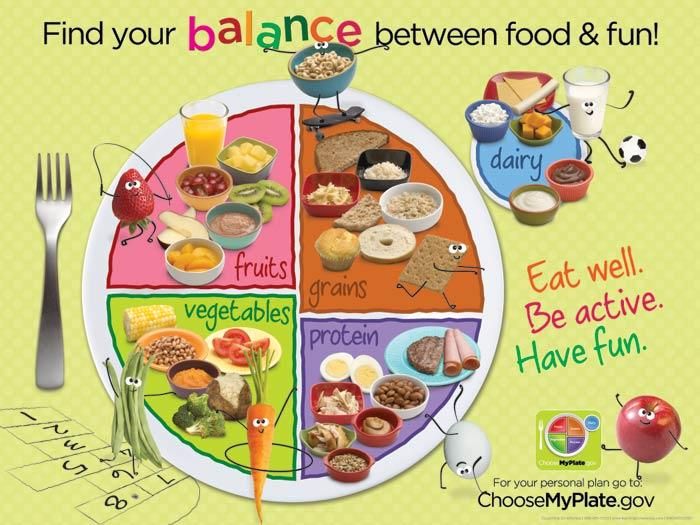
Introduce your healthy recipes that are both nutritious and kid-friendly. Encourage a balanced diet by incorporating these delicious meals and snacks into your children’s daily routine.
Kid-Friendly Smoothie Bowls
- Start by blending together frozen fruits such as berries, bananas, and mangoes with some yogurt or milk for a creamy base.
- Pour the smoothie into a bowl and top it with granola, sliced fruits, chia seeds, and a drizzle of honey for added texture and flavor.
- Let your kids get creative by arranging the toppings in fun designs or patterns on top of the smoothie bowl.
Vegetable Packed Pasta Sauce
- Sautee diced onions, carrots, zucchini, and bell peppers in olive oil until they are soft and fragrant.
- Add in canned tomatoes, tomato paste, and a sprinkle of Italian herbs to create a rich and flavorful pasta sauce.
- Serve the sauce over whole grain pasta and top it with grated cheese for a nutritious and satisfying meal.
Rainbow Fruit Kabobs
- Cut up a variety of colorful fruits such as strawberries, pineapple, kiwi, and blueberries into bite-sized pieces.
- Thread the fruit onto skewers in a rainbow pattern, alternating colors for a visually appealing presentation.
- Serve the fruit kabobs as a fun and healthy snack that your kids can enjoy at home or on the go.
Mental Resilience
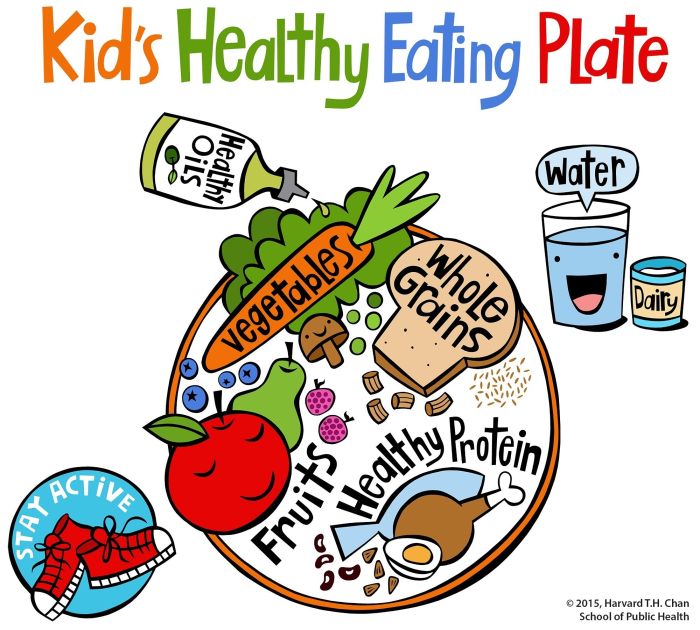
Proper nutrition plays a crucial role in children’s cognitive function and mental resilience. By understanding the link between nutrition and mental well-being, we can help support children’s overall development and emotional health.
Impact of Gut Health on Mental Well-being
Maintaining a healthy gut is essential for children’s mental well-being. The gut-brain connection is a powerful link that affects mood, behavior, and cognitive function. Incorporating probiotic-rich foods like yogurt, kefir, and sauerkraut can promote a healthy gut environment, which in turn can positively impact mental resilience in children.
Foods to Boost Brain Function and Focus
Certain foods are known to enhance brain function and improve focus in children. Include foods rich in omega-3 fatty acids such as salmon, walnuts, and flaxseeds in their diet. Additionally, dark leafy greens like spinach and kale are packed with antioxidants that support brain health. Encouraging a variety of colorful fruits and vegetables can provide essential nutrients for optimal cognitive function.
Creating a Supportive Environment for Mental Health
Apart from nutrition, creating a supportive environment is crucial for nurturing children’s mental health. Encourage open communication, active listening, and emotional expression at home. Engage in activities that promote relaxation and stress management, such as mindfulness exercises and outdoor play. Establishing routines and boundaries can also contribute to a sense of security and stability, fostering mental resilience in children.
Immune Support
Ensuring a strong immune system is crucial for children’s overall health and well-being. Nutrition plays a key role in supporting their immune systems and protecting them from illnesses.
Role of Nutrition in Supporting Children’s Immune Systems
Nutrition plays a crucial role in supporting children’s immune systems by providing essential vitamins, minerals, and antioxidants that help strengthen their defenses against infections and diseases.
Importance of Including Immune-Boosting Foods in Kids’ Diets
It is important to include immune-boosting foods in kids’ diets to enhance their immune response and reduce the risk of infections. These foods are rich in nutrients that support immune function and overall health.
- Include foods rich in Vitamin C, such as oranges, strawberries, and bell peppers, to boost immune function and protect against infections.
- Ensure kids consume foods high in Vitamin D, like fortified milk and fatty fish, to strengthen immune defenses and reduce the risk of respiratory infections.
- Incorporate zinc-rich foods like lean meats, nuts, and seeds to support immune cell function and enhance the body’s ability to fight off infections.
Tips for Maintaining a Strong Immune System Through Diet and Lifestyle
Maintaining a strong immune system in children involves a combination of healthy diet and lifestyle habits. Here are some tips to help boost their immunity:
- Encourage regular consumption of fruits, vegetables, whole grains, and lean proteins to provide essential nutrients for immune function.
- Promote good hygiene practices, such as handwashing and proper food handling, to prevent the spread of infections.
- Ensure kids get enough sleep, engage in regular physical activity, and manage stress levels to support overall immune health.
Examples of Foods Rich in Vitamins and Minerals that Support Immunity in Children
There are various foods rich in vitamins and minerals that support immunity in children. Including these foods in their diets can help strengthen their immune systems:
- Leafy green vegetables like spinach and kale, rich in Vitamin A and C, which support immune function and promote healthy growth.
- Yogurt and kefir, containing probiotics that enhance gut health and strengthen the immune system.
- Almonds, sunflower seeds, and avocados, high in Vitamin E and healthy fats that support immune response and protect against infections.
Stress Relief
Nutrition plays a crucial role in managing stress and anxiety in children. By incorporating certain foods into their diet, creating a calming mealtime environment, and promoting balance and moderation, parents can help their kids cope with stress effectively.
Foods for Stress Relief
- Dark Chocolate: Contains antioxidants that can reduce stress hormones.
- Complex Carbohydrates: Whole grains like oats and brown rice can increase serotonin levels, promoting relaxation.
- Fatty Fish: Omega-3 fatty acids in fish like salmon can help reduce anxiety.
- Leafy Greens: Rich in magnesium, which can help regulate cortisol levels.
Creating a Calming Mealtime Environment, Nutritional balance tips for kids
- Avoid distractions like screens during meals to promote mindful eating.
- Encourage positive conversations and a relaxed atmosphere at the dinner table.
- Engage children in meal preparation to instill a sense of control and mindfulness.
Importance of Balance and Moderation
- Ensure a balanced diet with a variety of nutrients to support overall well-being.
- Avoid excessive consumption of sugary or processed foods, which can lead to mood swings and increased stress.
- Teach children about listening to their bodies and recognizing when they are full to avoid emotional eating.
FAQ
How can I encourage my child to eat more fruits and vegetables?
Try involving your child in meal preparation, making fruits and vegetables fun by cutting them into different shapes, or blending them into smoothies.
What are some healthy snack options for kids?
Some examples include apple slices with peanut butter, yogurt with fruit, whole grain crackers with cheese, or veggies with hummus.
How much physical activity should children get per day?
Children should aim for at least 60 minutes of physical activity each day, which can include activities like playing outside, sports, or active games.


More Stories