How to adjust your sleep hygiene routine for shift work or irregular hours sets the stage for this enthralling narrative, offering readers a glimpse into a story that is rich in detail with casual formal language style and brimming with originality from the outset.
Shift work, with its demanding schedules and irregular hours, presents a unique challenge to maintaining a healthy sleep routine. Our bodies are naturally programmed to follow a circadian rhythm, a 24-hour cycle that dictates our sleep-wake patterns. However, when we disrupt this rhythm by working night shifts or rotating schedules, our bodies struggle to adapt, leading to sleep deprivation, fatigue, and various health problems.
This guide provides practical strategies to adjust your sleep hygiene routine and optimize your sleep quality despite the demands of shift work.
Understanding Shift Work and Irregular Hours
Shift work and irregular work hours pose significant challenges to maintaining a regular sleep schedule, impacting overall health and well-being. This disruption to sleep patterns can lead to various health issues, including sleep disorders, chronic fatigue, and an increased risk of cardiovascular disease.
The Impact of Shift Work on the Circadian Rhythm
The body’s natural sleep-wake cycle, known as the circadian rhythm, is regulated by internal biological clocks and external cues like sunlight. When individuals work shifts that deviate from the typical day-night cycle, their circadian rhythm becomes misaligned, leading to sleep disturbances and other health problems.
Shift work can disrupt the circadian rhythm in several ways:
- Exposure to Light at Night:Working during the night exposes individuals to artificial light, which can suppress melatonin production, a hormone essential for sleep regulation. This disrupts the body’s natural sleep-wake cycle, making it difficult to fall asleep and stay asleep during the day.
- Shift Rotation:Rotating shift schedules, where individuals work different shifts on different days, can further disrupt the circadian rhythm. Each shift change disrupts the body’s internal clock, making it challenging to adapt to new sleep-wake patterns.
- Social Cues:Shift work can also disrupt social cues that normally help regulate sleep patterns. Working during the night often involves social isolation and limited opportunities for natural light exposure, further contributing to sleep disruption.
Examples of Shift Work Schedules and Their Impact on Sleep
Different types of shift work schedules can have varying impacts on sleep:
- Rotating Shifts:This schedule involves working different shifts throughout the week, such as days, evenings, and nights. This can significantly disrupt the circadian rhythm, leading to sleep problems and fatigue. For example, a worker might work a day shift on Monday, an evening shift on Tuesday, and a night shift on Wednesday, causing significant disruption to their sleep schedule.
- Fixed Night Shifts:Working fixed night shifts can also disrupt sleep, although the impact might be less severe than rotating shifts. Individuals on fixed night shifts may experience difficulty falling asleep and staying asleep during the day, leading to fatigue and reduced alertness.
- Split Shifts:Split shifts, where individuals work two or more separate shifts in a day, can also disrupt sleep. For example, a worker might work from 6 am to 10 am and then again from 4 pm to 8 pm. This type of schedule can make it difficult to get enough sleep and can lead to feelings of fatigue and irritability.
The Importance of Sleep Hygiene for Shift Workers
Shift work and irregular hours can significantly disrupt your body’s natural sleep-wake cycle, leading to various health problems. This is where sleep hygiene comes in, a set of practices that promote good sleep and help you regulate your sleep patterns, even with a demanding work schedule.
Creating a Consistent Sleep-Wake Cycle
Maintaining a consistent sleep-wake cycle is crucial, even when your work schedule is irregular. It helps your body get used to a regular sleep pattern, regardless of your work hours.
- Go to bed and wake up at the same time every day, even on days off.This helps synchronize your body clock and makes it easier to fall asleep and wake up at the desired times.
- Create a relaxing bedtime routine.Engage in calming activities like taking a warm bath, reading a book, or listening to relaxing music before bed. This signals to your body that it’s time to wind down.
- Avoid caffeine and alcohol before bed.Caffeine is a stimulant that can interfere with sleep, while alcohol can disrupt your sleep cycle later in the night.
The Role of Light Exposure in Regulating Sleep Patterns
Light exposure plays a vital role in regulating your sleep-wake cycle. Your body’s natural sleep-wake cycle, also known as the circadian rhythm, is influenced by light. Here’s how to optimize light exposure for shift workers:
- Expose yourself to bright light during the day.This helps to reset your body clock and promote alertness. If you work during the night, try to get sunlight exposure during your off hours.
- Minimize light exposure in the evening.Dim the lights in your home a few hours before bedtime. This signals to your body that it’s time to wind down and prepare for sleep.
- Use blackout curtains or eye masks to block out light while sleeping.This helps create a dark and quiet sleep environment, even if you’re working during the day.
Strategies for Adjusting Sleep Hygiene for Shift Work
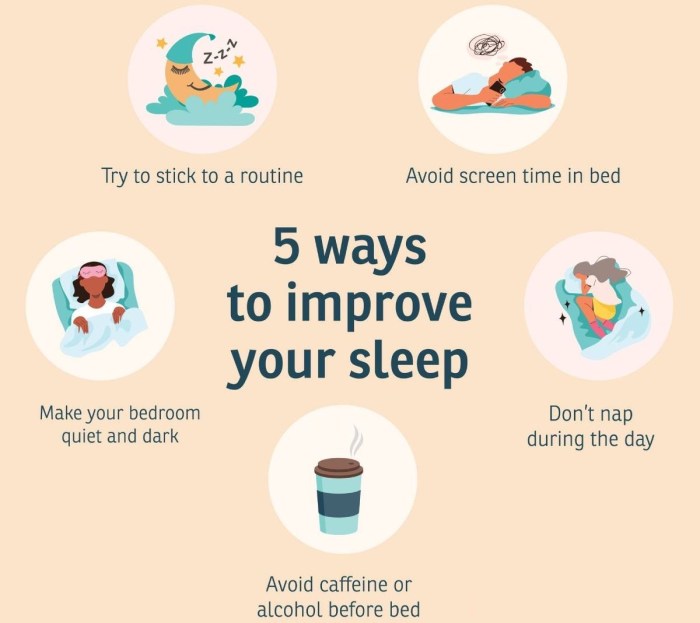
Shift work can disrupt your natural sleep-wake cycle, making it difficult to get enough quality sleep. However, by implementing strategies that promote healthy sleep hygiene, you can improve your sleep quality and overall well-being.
Creating a Personalized Sleep Schedule
A personalized sleep schedule is essential for shift workers. It helps regulate your body’s natural sleep-wake cycle, promoting better sleep quality and reducing fatigue. Here are some tips for designing a sleep schedule that aligns with your work hours:
- Determine your ideal sleep duration:Most adults need around 7-8 hours of sleep per night. Determine the amount of sleep you need to feel rested and alert during your work hours.
- Create a consistent sleep-wake cycle:Go to bed and wake up at roughly the same time every day, even on days off. This helps regulate your body’s natural sleep-wake cycle.
- Adjust your sleep schedule gradually:If you need to make significant changes to your sleep schedule, adjust it gradually over several days or weeks. This allows your body to adapt more easily.
- Consider a “sleep debt” strategy:If you work long shifts or have irregular hours, consider using a “sleep debt” strategy. This involves getting extra sleep on your days off to compensate for lost sleep during the week.
Developing a Relaxing Bedtime Routine
A relaxing bedtime routine helps signal to your body that it’s time to wind down and prepare for sleep. Here are some strategies to create a soothing bedtime routine:
- Establish a calming environment:Make sure your bedroom is dark, quiet, and cool. Use blackout curtains to block out light, and consider using a white noise machine to minimize distractions.
- Engage in relaxing activities:Before bed, engage in activities that promote relaxation, such as taking a warm bath, reading a book, or listening to calming music.
- Avoid stimulating activities:Avoid screen time for at least an hour before bed. The blue light emitted from electronic devices can interfere with melatonin production, a hormone that regulates sleep.
- Practice relaxation techniques:Techniques like deep breathing, meditation, or progressive muscle relaxation can help calm your mind and body before sleep.
Utilizing Sleep Aids
Sleep aids can be helpful for shift workers, especially when transitioning to new schedules or experiencing difficulty sleeping.
- Blackout curtains:These curtains block out light, creating a dark and sleep-inducing environment.
- White noise machines:These machines produce soothing sounds that can mask distracting noises and promote sleep.
- Eye masks:Eye masks block out light and can help you fall asleep even in brightly lit environments.
- Ear plugs:Ear plugs can block out noise and create a quiet sleep environment.
- Over-the-counter sleep aids:Melatonin supplements can help regulate your sleep-wake cycle. However, it’s important to consult with a healthcare professional before taking any supplements.
Optimizing Sleep Environment for Shift Workers
A well-optimized sleep environment is crucial for shift workers, especially when their sleep patterns are disrupted due to irregular schedules. A cool, dark, and quiet sleep environment can significantly improve sleep quality and help shift workers feel more refreshed and alert during their working hours.
Creating a Comfortable and Sleep-Conducive Bedroom
Creating a comfortable and sleep-conducive bedroom is essential for promoting restful sleep. A few simple adjustments can make a big difference.
- Keep the Room Cool:The ideal temperature for sleep is between 60 and 67 degrees Fahrenheit (15.5 to 19.4 degrees Celsius). A cooler room temperature helps regulate body temperature, promoting sleep onset and deeper sleep.
- Block Out Light:Light, especially blue light emitted from electronic devices, can disrupt melatonin production, a hormone that regulates sleep-wake cycles. Using blackout curtains or an eye mask can effectively block out light and create a dark sleep environment.
- Minimize Noise:Noise can be disruptive to sleep, especially for shift workers who may be trying to sleep during the day. Using earplugs, a white noise machine, or a fan can help minimize noise distractions and create a quiet sleep environment.
- Invest in a Comfortable Bed:A comfortable mattress, pillows, and bedding are essential for a good night’s sleep. Consider investing in a high-quality mattress that provides adequate support and comfort.
- Keep the Bedroom Clean and Tidy:A clean and tidy bedroom can create a sense of calm and relaxation, promoting sleep. Make sure to declutter the bedroom and keep it organized.
The Impact of Technology on Sleep
Technology has become an integral part of our lives, but its constant presence can have a negative impact on sleep. The blue light emitted from electronic devices, such as smartphones, tablets, and computers, can suppress melatonin production, making it harder to fall asleep.
Additionally, the stimulating content we consume on these devices can keep our brains active, preventing us from relaxing and falling asleep.
Strategies for Minimizing Technology’s Effects on Sleep
Shift workers can implement several strategies to minimize the negative effects of technology on sleep:
- Avoid Screen Time Before Bed:The blue light emitted from electronic devices can disrupt sleep. Try to avoid using electronic devices for at least an hour before bedtime.
- Use a Blue Light Filter:Many devices have built-in blue light filters or apps that can be downloaded to reduce the amount of blue light emitted.
- Create a Tech-Free Zone:Designate a tech-free zone in your bedroom, such as a bedside table, where you can leave your electronic devices while you sleep.
- Charge Devices Outside the Bedroom:Avoid keeping electronic devices in your bedroom, as the charging light can be disruptive to sleep.
Managing Stress and Promoting Relaxation
Stress is a common factor that can significantly impact sleep quality, especially for shift workers. When you’re stressed, your body releases hormones like cortisol, which can make it harder to fall asleep and stay asleep. This can create a vicious cycle, where poor sleep leads to more stress, which further disrupts sleep.
Effective Stress Management Techniques
Shift workers often face unique challenges that can contribute to stress, such as irregular schedules, social isolation, and demanding work environments. Here are some effective stress management techniques that can help shift workers improve their sleep quality:
- Regular Exercise: Engaging in regular physical activity can help reduce stress levels and improve sleep quality. Aim for at least 30 minutes of moderate-intensity exercise most days of the week. Examples of moderate-intensity exercise include brisk walking, cycling, swimming, or dancing.
- Meditation and Mindfulness: Meditation and mindfulness techniques can help calm the mind and reduce stress. These practices involve focusing on the present moment and accepting thoughts and feelings without judgment. There are many guided meditation apps available that can help you get started.
- Deep Breathing Exercises: Deep breathing exercises can help slow your heart rate, lower blood pressure, and relax your body. Try practicing diaphragmatic breathing, which involves taking slow, deep breaths from your abdomen.
- Progressive Muscle Relaxation: This technique involves tensing and relaxing different muscle groups in your body, which can help reduce physical tension and promote relaxation.
Creating a Relaxing Pre-Sleep Routine, How to adjust your sleep hygiene routine for shift work or irregular hours
Developing a consistent pre-sleep routine can signal to your body that it’s time to wind down and prepare for sleep. Here are some tips for creating a relaxing pre-sleep routine:
- Dim the Lights: Dimming the lights in your home about an hour before bedtime can help signal to your body that it’s time to sleep. The reduction in light exposure can help your body produce melatonin, a hormone that regulates sleep.
- Avoid Screen Time: The blue light emitted from electronic devices can suppress melatonin production and make it harder to fall asleep. Try to avoid using screens for at least an hour before bed.
- Take a Warm Bath or Shower: A warm bath or shower can help relax your muscles and promote sleepiness.
- Listen to Relaxing Music: Soothing music can help calm your mind and prepare you for sleep.
- Read a Book: Reading a book can help distract your mind from stressful thoughts and promote relaxation.
Nutritional Considerations for Shift Workers
A balanced diet is crucial for maintaining good sleep quality, especially for shift workers who often face disrupted sleep patterns. Eating a healthy diet can help regulate your body’s natural sleep-wake cycle, improve energy levels, and promote overall well-being.
Foods and Drinks That Promote Sleep
A balanced diet rich in sleep-promoting nutrients can significantly improve sleep quality. Here are some foods and drinks that can help you fall asleep faster and sleep more soundly:
- Foods rich in tryptophan:Tryptophan is an amino acid that the body converts into serotonin and melatonin, both crucial for regulating sleep. Examples include turkey, chicken, fish, eggs, dairy products, nuts, and seeds.
- Foods high in complex carbohydrates:Complex carbohydrates like whole grains, fruits, and vegetables are digested slowly, providing a steady release of energy and helping to regulate blood sugar levels, promoting better sleep.
- Foods rich in magnesium:Magnesium is a mineral that helps relax muscles and promote sleep. Good sources include leafy green vegetables, almonds, avocado, and dark chocolate.
- Warm milk:Warm milk contains tryptophan and melatonin, and its soothing effect can promote relaxation and sleep.
- Chamomile tea:Chamomile has calming properties and can help induce sleep.
Foods and Drinks That Disrupt Sleep
Certain foods and drinks can interfere with sleep, especially when consumed close to bedtime. Here are some examples:
- Caffeine:Caffeine is a stimulant that can interfere with sleep, especially if consumed within 6 hours of bedtime.
- Alcohol:While alcohol may initially make you feel drowsy, it can disrupt sleep later in the night.
- Spicy foods:Spicy foods can cause indigestion and heartburn, making it difficult to fall asleep.
- Large meals:Eating a large meal close to bedtime can make it harder to fall asleep and may cause indigestion.
- Sugary drinks:Sugary drinks can cause energy spikes and crashes, making it difficult to fall asleep.
Hydration and Sleep
Staying hydrated is crucial for overall health and sleep quality. Dehydration can lead to fatigue, headaches, and difficulty sleeping.
- Importance of Hydration:Adequate hydration helps regulate body temperature, which is essential for sleep. Dehydration can lead to an increase in body temperature, making it difficult to fall asleep and stay asleep.
- Hydration Strategies:
- Drink water throughout the day, even when you don’t feel thirsty.
- Keep a water bottle with you at all times.
- Avoid sugary drinks, which can dehydrate you.
- Eat fruits and vegetables that contain high water content.
Outcome Summary: How To Adjust Your Sleep Hygiene Routine For Shift Work Or Irregular Hours
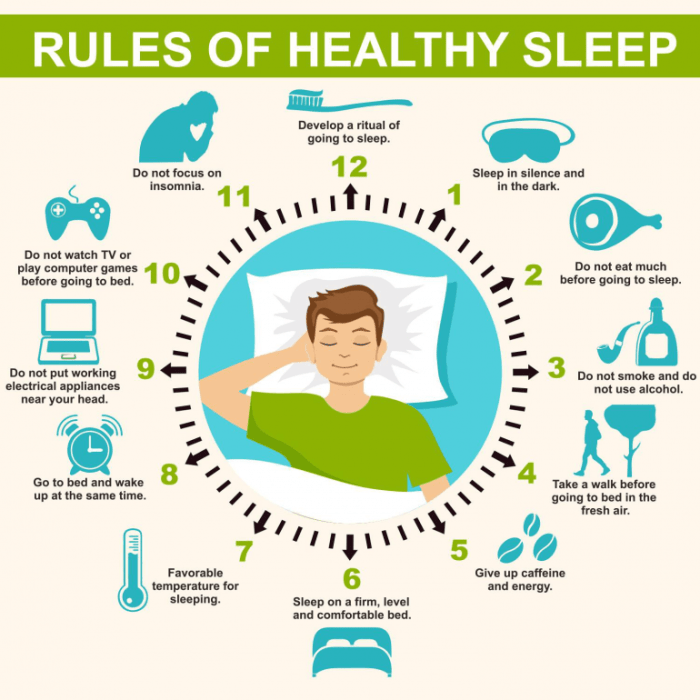
Navigating the complexities of shift work and maintaining a healthy sleep routine requires dedication and a commitment to prioritizing your well-being. By implementing the strategies Artikeld in this guide, you can establish a consistent sleep-wake cycle, create a conducive sleep environment, and manage stress effectively.
Remember, prioritizing sleep is not a luxury but a necessity for optimal physical and mental health. So, take charge of your sleep hygiene, and embrace a healthier, more balanced life, even with the demands of shift work.
FAQ Summary
What are some common sleep problems experienced by shift workers?
Shift workers often experience difficulty falling asleep, staying asleep, and feeling refreshed upon waking. They may also experience daytime sleepiness, decreased alertness, and impaired cognitive function.
Can I use melatonin supplements to help me sleep better on shift work?
Melatonin supplements can be helpful for some shift workers, but it’s important to consult with a doctor before taking any supplements, as they can interact with other medications or have potential side effects.
How can I manage stress effectively as a shift worker?
Stress management techniques like exercise, meditation, deep breathing exercises, and spending time in nature can help reduce stress and improve sleep quality.
What are some tips for staying hydrated during shift work?
Drink plenty of water throughout your shift, avoid sugary drinks, and consider using a water bottle with a time-marked reminder to ensure you stay hydrated.


More Stories
Boost Immunity Naturally: Best Practices for 2024
Stay Hydrated This Summer: Waters Importance
How Dehydration Impacts Energy and Daily Hydrations Importance