Healthy Habits
Establishing healthy habits is crucial for maintaining emotional wellbeing. These habits can have a significant impact on how we feel and cope with daily stressors. Consistency in practicing these habits is key to long-term emotional wellness.
Examples of Daily Routines
- Regular Exercise: Engaging in physical activity releases endorphins, which are known to improve mood and reduce stress.
- Mindfulness Practices: Activities such as meditation, deep breathing, or yoga can help calm the mind and increase self-awareness.
- Healthy Eating: Consuming a balanced diet rich in nutrients can provide the body and mind with the fuel they need to function optimally.
- Adequate Sleep: Getting enough rest is essential for emotional regulation and overall well-being.
Consistency is key in maintaining these habits. Making them a part of your daily routine can lead to lasting improvements in emotional health.
Emotional Wellbeing
Emotional wellbeing refers to the state of being able to understand and manage our emotions effectively. It is a crucial aspect of overall health as it impacts our mental, physical, and social wellbeing. When we are emotionally healthy, we are better equipped to cope with stress, build positive relationships, and make sound decisions.
Influence on Other Aspects of Life
Emotional wellbeing plays a significant role in influencing other aspects of our lives. For instance, when we are emotionally stable, we are more likely to have better relationships with others, experience higher levels of job satisfaction, and have improved physical health. On the other hand, poor emotional health can lead to issues such as anxiety, depression, and even physical ailments.
Connection with Productivity
Maintaining good emotional wellbeing is closely linked to productivity. When we are in a positive emotional state, we are more focused, motivated, and able to handle challenges effectively. On the contrary, when we are struggling emotionally, it can hinder our ability to concentrate, make decisions, and be productive in both personal and professional aspects of life.
Healthy Aging
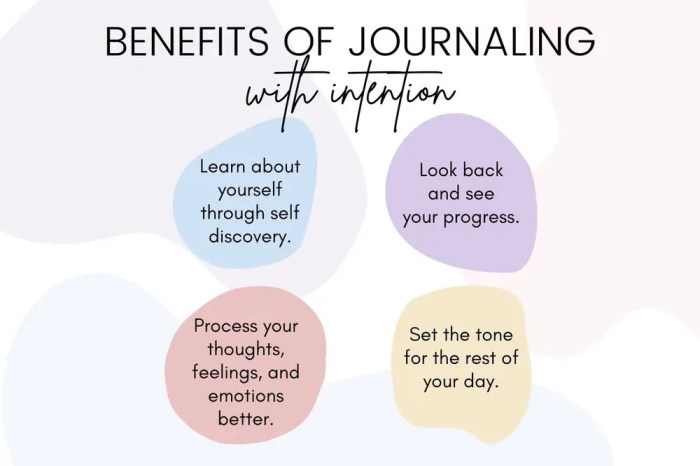
Emotional wellbeing and the benefits of journaling – As we age, it becomes increasingly important to prioritize our emotional wellbeing for overall health and quality of life. Journaling can be a valuable tool in this process, helping individuals to process their emotions, reflect on experiences, and maintain a positive mindset.
Journaling can contribute to healthy aging by providing a safe space to explore and express feelings, reduce stress, and enhance self-awareness. By regularly writing down thoughts and emotions, individuals can gain clarity, identify patterns in their behavior, and develop healthier coping mechanisms.
The Relationship Between Emotional Wellbeing and the Aging Process
Emotional wellbeing plays a crucial role in the aging process, influencing both physical and mental health outcomes. As individuals age, they may face various challenges such as loss of loved ones, changes in health, and transitions in life roles. Maintaining emotional health is essential for adapting to these changes, fostering resilience, and finding meaning and fulfillment in later years.
- Stay connected: Maintaining relationships with friends, family, and community members can provide emotional support and a sense of belonging.
- Practice self-care: Engage in activities that bring joy and relaxation, such as meditation, exercise, hobbies, or spending time in nature.
- Seek professional help: If struggling with emotional issues, don’t hesitate to reach out to a therapist or counselor for support and guidance.
Active Lifestyle
Having an active lifestyle is closely linked to emotional wellbeing as physical activity has numerous benefits for mental health.
Benefits of Physical Activity on Mental Health
- Reduces stress and anxiety levels by releasing endorphins, also known as “feel-good” hormones.
- Improves mood and overall sense of well-being by boosting self-esteem and confidence.
- Enhances cognitive function and helps in managing symptoms of depression.
- Promotes better sleep patterns and reduces the risk of developing mental health issues.
Activities that Promote Emotional Wellness
- Regular cardio exercises like running, swimming, or cycling can help in reducing stress and improving mood.
- Yoga and meditation are effective in calming the mind, reducing anxiety, and enhancing mental clarity.
- Engaging in team sports or group fitness classes can provide social support and a sense of community, contributing to emotional wellbeing.
- Spending time in nature through activities like hiking or gardening has been shown to reduce symptoms of anxiety and depression.
Cardiovascular Health
Emotional wellbeing plays a significant role in cardiovascular health, as our mental and emotional state can directly impact the functioning of our heart and blood vessels. When we experience chronic stress, anxiety, or depression, our body releases stress hormones like cortisol and adrenaline, which can increase heart rate and blood pressure, putting extra strain on the heart.
Impact of Stress on Heart Health
Stress is closely linked to the development of cardiovascular diseases such as hypertension, heart disease, and stroke. Prolonged stress can lead to inflammation in the body, which can damage the blood vessels and increase the risk of plaque buildup in the arteries. This, in turn, can raise the risk of heart attacks and other cardiovascular complications.
- Chronic stress can contribute to unhealthy habits like overeating, smoking, or excessive drinking, which further increase the risk of heart disease.
- Managing stress through techniques like mindfulness, meditation, exercise, and social support can help improve emotional wellbeing and reduce the negative impact on heart health.
- Practicing relaxation techniques like deep breathing, progressive muscle relaxation, or yoga can help lower blood pressure and reduce the strain on the heart.
Healthy Recipes
Cooking and trying new recipes can have a positive impact on emotional wellbeing. The process of preparing a meal can be therapeutic, allowing individuals to focus their energy on creating something nutritious and delicious. Additionally, the act of enjoying a healthy meal can bring a sense of satisfaction and fulfillment.
Nutritious Recipes for Mental Health
- Salmon and Avocado Salad: A dish rich in omega-3 fatty acids and vitamin E, which are known to support brain health and reduce inflammation.
- Quinoa Stuffed Bell Peppers: Packed with fiber, protein, and various vitamins and minerals, this recipe can help stabilize blood sugar levels and promote overall mental wellbeing.
- Blueberry Oatmeal Smoothie: A quick and easy breakfast option that is high in antioxidants and fiber, offering a boost of energy and mood enhancement.
Therapeutic Aspects of Healthy Meal Preparation, Emotional wellbeing and the benefits of journaling
- Engaging all the senses: The process of chopping, sautéing, and tasting different ingredients can be a sensory experience that helps individuals stay present and mindful.
- Creative expression: Cooking allows individuals to express themselves creatively through flavor combinations, presentation, and experimentation with new ingredients.
- Social connection: Sharing a meal with loved ones can foster feelings of connection and belonging, contributing to overall emotional wellbeing.
Mental Resilience
Mental resilience refers to the ability to adapt and bounce back from adversity, trauma, or stress. It plays a crucial role in emotional wellbeing by helping individuals cope with challenges, maintain a positive outlook, and navigate through difficult situations effectively.
Techniques to Build Mental Resilience
- Practice mindfulness and meditation to develop self-awareness and emotional regulation.
- Cultivate a strong support system of friends, family, or mental health professionals.
- Set realistic goals and break them down into manageable steps to build confidence and motivation.
- Learn from past experiences and failures, viewing them as opportunities for growth and learning.
- Engage in physical exercise to reduce stress, improve mood, and boost overall resilience.
Overcoming Challenges for Emotional Health
“The greater the obstacle, the more glory in overcoming it.” – Molière
Overcoming challenges is essential for emotional health as it builds resilience, confidence, and a sense of accomplishment. By facing and conquering difficulties, individuals develop the strength to tackle future obstacles with a positive mindset, ultimately leading to improved emotional wellbeing.
Immune Support
Emotional wellbeing plays a crucial role in supporting a healthy immune system. When we are stressed or anxious, our immune function can be compromised, making us more susceptible to illness. It is important to understand how stress impacts our immune system and to adopt practices that can help boost both emotional wellbeing and immune support.
Relationship Between Emotional Wellbeing and Immune Function
Maintaining a positive emotional state can have a direct impact on the function of our immune system. Studies have shown that chronic stress can weaken the immune response, making it harder for the body to fight off infections and diseases. On the other hand, positive emotions and a sense of well-being can enhance the immune system’s ability to protect the body.
Impact of Stress on the Immune System
Stress triggers the release of hormones like cortisol, which can suppress the immune system. Prolonged periods of stress can lead to chronic inflammation and a weakened immune response. This makes it essential to manage stress effectively to support optimal immune function.
Practices to Boost Emotional Wellbeing and Immune Support
– Practice mindfulness and meditation to reduce stress and promote emotional balance.
– Engage in regular physical activity to boost endorphins and support overall well-being.
– Get an adequate amount of sleep to allow the body to rest and recharge.
– Maintain a healthy diet rich in fruits, vegetables, and immune-boosting nutrients.
– Stay connected with loved ones and cultivate a strong support system for emotional resilience.
Stress Relief: Emotional Wellbeing And The Benefits Of Journaling
Journaling is a powerful tool for stress relief, allowing individuals to express their thoughts and emotions in a safe and private space. The act of writing can help process difficult feelings, reduce anxiety, and provide clarity amidst chaos.
Benefits of Journaling for Stress Relief
- Journaling promotes self-reflection and mindfulness, helping individuals become more aware of their emotions and triggers.
- Writing about stressful events can provide a sense of control and perspective, reducing the intensity of negative emotions.
- Keeping a journal can track patterns of stress and identify potential solutions or coping strategies for future situations.
- Journaling before bedtime can help clear the mind and improve sleep quality, leading to better emotional regulation and stress management.
Other Effective Stress Management Techniques
- Practicing deep breathing exercises or meditation can calm the mind and body, reducing the physical symptoms of stress.
- Engaging in regular physical activity, such as yoga or walking, can release endorphins and improve mood, combating the effects of stress.
- Connecting with others through social support and open communication can provide emotional validation and perspective during challenging times.
- Setting boundaries and prioritizing self-care activities can prevent burnout and overwhelm, promoting overall well-being and resilience.
Impact of Chronic Stress on Emotional Wellbeing and Overall Health
Chronic stress can have profound effects on emotional wellbeing and physical health, leading to increased risk of anxiety, depression, and various chronic conditions.
Long-term stress can weaken the immune system, disrupt hormonal balance, and contribute to cardiovascular issues, highlighting the importance of effective stress management strategies.
Nutritional Balance
Maintaining a balanced diet is crucial not only for physical health but also for emotional wellbeing. The foods we eat play a significant role in supporting our mental health and overall mood.
Importance of Nutritional Balance for Emotional Wellness
Our diet directly impacts our brain function and neurotransmitter levels, affecting our mood, energy levels, and cognitive abilities. Consuming a variety of nutrient-dense foods can help regulate emotions, reduce stress, and improve overall mental wellbeing.
- Eat a variety of fruits, vegetables, whole grains, lean proteins, and healthy fats to ensure you’re getting a wide range of essential nutrients.
- Limit processed foods, sugary drinks, and foods high in saturated fats, as they can negatively impact mood and energy levels.
- Stay hydrated by drinking plenty of water throughout the day, as dehydration can lead to fatigue, irritability, and poor concentration.
- Include foods rich in omega-3 fatty acids, such as salmon, walnuts, and flaxseeds, which have been linked to improved mood and cognitive function.
- Avoid skipping meals and aim for regular, balanced meals and snacks to maintain stable blood sugar levels and prevent mood swings.
FAQ Explained
How can journaling improve emotional wellbeing?
Journaling provides a safe space to express emotions, gain clarity, and track personal growth, leading to enhanced self-awareness and emotional regulation.
What are some daily routines that can boost emotional health?
Practicing mindfulness, engaging in physical exercise, maintaining social connections, and getting quality sleep are all daily habits that can positively impact emotional wellbeing.
How does emotional wellbeing affect productivity?
Emotional wellbeing fosters a positive mindset, reduces stress levels, and enhances focus and creativity, ultimately leading to increased productivity in various areas of life.


More Stories
Mental resilience and positive thinking techniques for a resilient mind