Healthy Habits: Mental Resilience And Positive Thinking Techniques
Maintaining healthy habits is essential for overall well-being, both physically and mentally. By incorporating simple routines into your daily life, you can improve your quality of life and boost your resilience to stress and challenges.
Daily Routines for Physical and Mental Well-being
- Start your day with a nutritious breakfast to fuel your body and mind.
- Take short breaks throughout the day to stretch and relax your muscles.
- Incorporate physical activity into your routine, whether it’s a brisk walk, yoga session, or gym workout.
- Practice deep breathing exercises to reduce stress and promote relaxation.
The Importance of Sleep, Hydration, and Regular Exercise
Mental resilience and positive thinking techniques – Getting an adequate amount of sleep, staying hydrated, and engaging in regular exercise are crucial components of a healthy lifestyle.
- Quality sleep allows your body to rest and recharge, supporting cognitive function and emotional well-being.
- Hydration is essential for maintaining energy levels, focus, and overall health. Aim to drink plenty of water throughout the day.
- Regular exercise not only improves physical fitness but also boosts mood, reduces anxiety, and enhances cognitive function.
Incorporating Mindfulness Practices
Mindfulness involves being fully present in the moment and paying attention to your thoughts and feelings without judgment. Here are some tips on how to incorporate mindfulness into your daily activities:
- Practice mindful breathing exercises to calm your mind and reduce stress.
- Engage in activities mindfully, whether it’s eating, walking, or interacting with others.
- Set aside time for meditation or mindfulness practices to cultivate a sense of peace and self-awareness.
- Use mindfulness techniques to cope with challenging situations and enhance your resilience.
Emotional Wellbeing
Emotional wellbeing plays a crucial role in our overall health and quality of life. It is closely linked to our mental and physical health, affecting how we think, feel, and behave in various situations. When we prioritize our emotional wellbeing, we are better equipped to handle stress, build resilience, and maintain positive relationships.
Strategies for Managing Stress and Anxiety Effectively
Effective stress and anxiety management are essential for maintaining emotional wellbeing. Some strategies to consider include:
- Practicing mindfulness and deep breathing exercises to stay present and calm.
- Engaging in regular physical activity to release tension and boost endorphins.
- Setting boundaries and learning to say no to excessive demands or commitments.
- Seeking support from friends, family, or a mental health professional when needed.
The Role of Self-Care Practices in Enhancing Emotional Resilience
Self-care practices are instrumental in enhancing emotional resilience and overall wellbeing. By prioritizing self-care, individuals can nurture their mental and emotional health, leading to better stress management and increased happiness. Some self-care practices include:
- Getting adequate sleep to recharge and rejuvenate the mind and body.
- Eating a balanced diet rich in nutrients to support overall health and mood.
- Engaging in hobbies and activities that bring joy and relaxation.
- Practicing self-compassion and positive self-talk to cultivate a healthy self-image.
Healthy Aging
Maintaining mental resilience is crucial for healthy aging as it impacts the overall well-being of individuals as they grow older. It can help in coping with challenges, reducing stress, and enhancing cognitive abilities.
Impact of Mental Resilience on the Aging Process
Mental resilience plays a significant role in how individuals age. It can help in managing and adapting to changes that come with aging, such as physical limitations, loss of loved ones, or health issues. By building mental resilience, older adults can maintain a positive outlook on life and navigate through the aging process with strength and determination.
Tips for Maintaining Cognitive Function and Emotional Health
- Engage in regular physical exercise to improve blood flow to the brain and reduce the risk of cognitive decline.
- Stay mentally active by challenging your brain with puzzles, reading, learning new skills, or engaging in hobbies.
- Eat a healthy diet rich in antioxidants, omega-3 fatty acids, and nutrients that support brain health.
- Get an adequate amount of sleep to allow your brain to rest and consolidate memories.
- Practice stress-reducing techniques such as meditation, deep breathing, or mindfulness to enhance emotional well-being.
Importance of Staying Socially Connected for Healthy Aging
Staying socially connected is vital for healthy aging as it helps in reducing feelings of loneliness, isolation, and depression. Social interactions can provide emotional support, companionship, and a sense of belonging, which are essential for overall well-being. By maintaining relationships with family, friends, and community members, older adults can stay mentally and emotionally healthy as they age.
Active Lifestyle
Leading an active lifestyle has numerous benefits for mental resilience. Physical activity not only improves physical health but also has a positive impact on mental well-being. Exercise helps in reducing stress, improving mood, and boosting self-esteem.
Physical Activities for Positive Thinking
- Yoga: Practicing yoga helps in calming the mind, reducing anxiety, and promoting a positive outlook on life.
- Walking or Running: Engaging in brisk walking or running releases endorphins, also known as “feel-good” hormones, which can enhance mood and reduce stress.
- Dancing: Dancing is a fun way to exercise that can lift your spirits and improve mental clarity.
Exercise for Stress Reduction and Mood Boost
- Cardiovascular Exercise: Activities like cycling, swimming, or aerobics can help in reducing stress levels by increasing the production of endorphins.
- Strength Training: Building muscle through strength training can improve self-confidence and overall mood.
- Mindful Movement: Engaging in activities like tai chi or Pilates promotes mindfulness and relaxation, which can reduce stress and enhance mental resilience.
Cardiovascular Health
Cardiovascular health plays a crucial role in our overall well-being, including our mental health. The heart and brain are closely connected, and a healthy heart can contribute to better cognitive function and emotional resilience.
Healthy Lifestyle Choices for a Healthy Heart
- Aim for a balanced diet rich in fruits, vegetables, whole grains, lean proteins, and healthy fats to support heart health.
- Stay physically active by engaging in regular exercise such as walking, jogging, cycling, or swimming to strengthen your heart muscle.
- Avoid smoking and limit alcohol consumption to reduce the risk of heart disease.
- Maintain a healthy weight to decrease strain on your heart and lower the chances of developing cardiovascular issues.
- Get regular check-ups with your healthcare provider to monitor your blood pressure, cholesterol levels, and overall heart health.
Managing Stress for a Healthy Heart
Chronic stress can have a negative impact on your heart health, increasing the risk of heart disease and other cardiovascular problems. Implementing stress management techniques can help protect your heart:
- Practice relaxation techniques such as deep breathing, meditation, or yoga to reduce stress levels.
- Engage in regular physical activity to release endorphins and lower stress hormones in the body.
- Ensure you get enough sleep each night to allow your body and mind to rest and recover from daily stressors.
- Connect with others and build a support system to share your feelings and experiences, reducing the burden of stress on your heart.
- Consider seeking professional help from a therapist or counselor if you are struggling to cope with stress effectively.
Healthy Recipes
When it comes to supporting mental resilience and positive thinking, the food we eat plays a crucial role. Nutritious recipes can not only nourish our bodies but also impact our mood and cognitive function. Here, we will explore the importance of diet in maintaining a healthy mindset and provide tips for meal planning to enhance overall well-being.
Nutritious Breakfast Ideas
- Start your day with a smoothie bowl topped with fresh fruits, nuts, and seeds. This nutrient-packed breakfast is not only delicious but also provides essential vitamins and minerals to fuel your brain.
- Consider making overnight oats with almond milk, chia seeds, and berries for a quick and easy breakfast option. Oats are known for their mood-boosting properties and can help stabilize blood sugar levels.
Wholesome Lunch and Dinner Options
- Prepare a colorful salad with mixed greens, grilled chicken, avocado, and a variety of vegetables for a nutrient-rich meal. The combination of protein, healthy fats, and fiber can support brain health and improve cognitive function.
- Opt for a hearty vegetable stir-fry with quinoa or brown rice for a satisfying and balanced dinner. Vegetables like broccoli, bell peppers, and mushrooms are rich in antioxidants that can protect the brain from oxidative stress.
Snacks to Boost Mood and Energy
- Snack on a handful of mixed nuts or seeds for a quick energy boost and essential nutrients like omega-3 fatty acids. Nuts are known to improve mood and cognitive function due to their high content of healthy fats.
- Enjoy a piece of dark chocolate with a cup of herbal tea for a comforting and mood-enhancing snack. Dark chocolate contains flavonoids that can increase blood flow to the brain and promote feelings of relaxation.
Mental Resilience
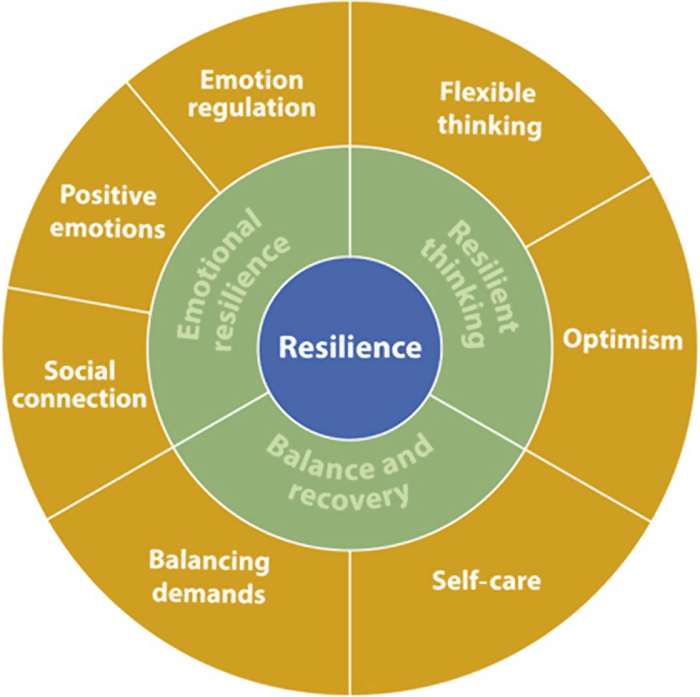
Mental resilience is the ability to adapt and bounce back from difficult situations, challenges, or setbacks. It involves being able to maintain a positive mindset, cope with stress, and overcome adversity with strength and determination.
Developing Resilience Strategies
- Practice self-care: Prioritize your well-being by getting enough sleep, eating nutritious foods, and engaging in regular exercise.
- Build a strong support system: Surround yourself with positive and supportive people who can offer encouragement and guidance during tough times.
- Develop problem-solving skills: Learn to approach challenges with a solution-oriented mindset and break down problems into manageable steps.
- Cultivate mindfulness: Practice meditation, deep breathing exercises, or yoga to help calm your mind and reduce stress.
Power of Positive Thinking
Positive thinking can help reframe negative situations, boost self-confidence, and improve overall mental well-being.
- Acknowledge and challenge negative thoughts: Recognize negative thinking patterns and replace them with positive affirmations or realistic perspectives.
- Practice gratitude: Focus on the good things in your life and express appreciation for the positive aspects, no matter how small.
- Affirmations and visualization: Use positive affirmations and visualization techniques to envision success and overcome obstacles with a confident mindset.
Immune Support

Maintaining a strong immune system is crucial for overall health and well-being. Let’s explore how mental resilience and positive thinking can play a role in supporting our immune function.
Impact of Mental Resilience on Immune System
Research has shown that individuals with higher levels of mental resilience tend to have a stronger immune response. When we are able to effectively cope with stress and adversity, our body’s ability to fight off infections and illnesses is enhanced.
Tips for Boosting Immune Health through Stress Management, Mental resilience and positive thinking techniques
- Acknowledge and address sources of stress in your life.
- Practice relaxation techniques such as deep breathing, meditation, or yoga.
- Engage in regular physical activity to help reduce stress levels.
- Ensure you get an adequate amount of sleep each night to support immune function.
- Connect with loved ones for emotional support and social interaction.
Link Between Positive Mindset and Immune Function
Having a positive outlook can have a direct impact on our immune system. Studies have shown that individuals with an optimistic mindset tend to have better immune responses, leading to improved overall health and resilience against illnesses.
Stress Relief
When it comes to managing stress, it’s essential to have effective techniques in place to help reduce its impact on your mental health and overall well-being. Chronic stress can take a toll on your mind and body, leading to various health issues if not addressed properly. Creating a stress-free environment, whether at home or work, is crucial for promoting relaxation and maintaining a healthy lifestyle.
Effective Techniques for Stress Relief
- Practice deep breathing exercises to calm your mind and body.
- Engage in regular physical activity to release endorphins and reduce stress.
- Try mindfulness meditation to increase awareness and focus on the present moment.
- Spend time in nature or engage in activities that bring you joy and relaxation.
- Establish a healthy sleep routine to ensure your body gets the rest it needs to cope with stress.
Impact of Chronic Stress on Mental Health
- Chronic stress can lead to anxiety, depression, and other mental health disorders if left untreated.
- It can weaken the immune system, making you more susceptible to illnesses and diseases.
- Long-term stress can also impact your cognitive function and memory, affecting your overall productivity and quality of life.
Creating a Stress-Free Environment
- Declutter your living or workspace to reduce visual distractions and promote a sense of calm.
- Set boundaries and learn to say no to additional responsibilities that may contribute to stress.
- Practice time management techniques to prioritize tasks and avoid feeling overwhelmed.
- Surround yourself with positive and supportive people who can help you navigate stressful situations.
- Incorporate relaxation techniques such as listening to music or taking a warm bath to unwind after a long day.
Nutritional Balance
Maintaining a balanced diet is crucial for mental resilience as it provides the necessary nutrients for brain health and cognitive function. A well-rounded diet can also impact mood regulation and overall well-being.
Nutrient-rich foods for brain health
- Fatty fish like salmon, sardines, and mackerel are rich in omega-3 fatty acids, which are essential for brain function and cognitive health.
- Blueberries are packed with antioxidants that help improve brain function and delay cognitive decline.
- Dark chocolate contains flavonoids that can help improve blood flow to the brain and enhance cognitive function.
- Nuts and seeds are excellent sources of vitamin E, which has been linked to improved cognitive function and reduced risk of cognitive decline.
Role of hydration in cognitive function
Proper hydration is essential for optimal cognitive function as dehydration can lead to impaired concentration, memory, and mood. Drinking an adequate amount of water throughout the day can help support brain health and overall mental resilience.
Questions and Answers
How can I start incorporating positive thinking into my daily life?
To incorporate positive thinking into your daily life, start by practicing gratitude, challenging negative thoughts, and surrounding yourself with positivity.
What are some effective strategies for developing mental resilience?
Effective strategies for developing mental resilience include building a strong support system, practicing self-care, and reframing challenges as opportunities for growth.
How does emotional well-being impact overall health?
Emotional well-being plays a crucial role in overall health by influencing stress levels, immune function, and the body’s ability to heal and recover.


More Stories
Emotional wellbeing and the benefits of journaling: A Path to Mental Wellness