Best Stress Relief Apps for Mental Health
In today’s fast-paced world, stress has become a common issue affecting mental health. Fortunately, there are several stress relief apps available that can help individuals manage and reduce stress effectively. These apps offer a variety of features designed to promote relaxation, mindfulness, and overall well-being.
Top-Rated Stress Relief Apps
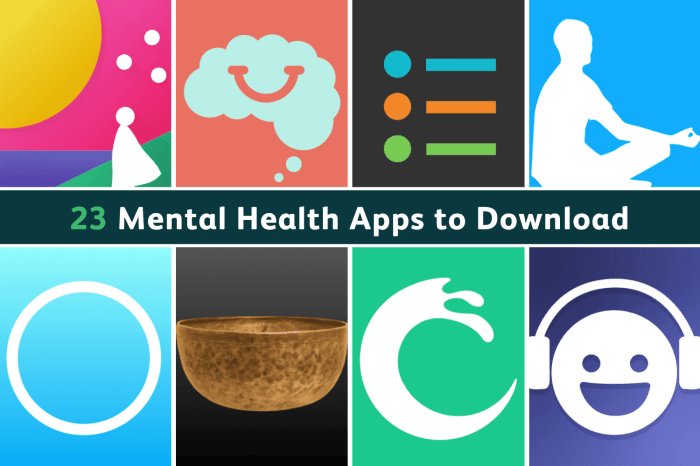
- Calm: Calm is a popular app that offers guided meditation sessions, sleep stories, breathing exercises, and relaxing music to help users unwind and reduce anxiety.
- Headspace: Headspace provides guided meditation and mindfulness practices to promote stress relief, focus, and better sleep. The app also offers personalized meditation sessions based on individual needs.
- Insight Timer: Insight Timer is a meditation app that offers a wide range of guided meditations, music tracks, and talks from mindfulness experts. Users can customize their meditation practice and track their progress over time.
- Breethe: Breethe offers guided meditations, calming music, sleep stories, and mindfulness exercises to help users relax, reduce stress, and improve their mental well-being.
- Smiling Mind: Smiling Mind is a free app that provides mindfulness and meditation programs for different age groups, including children, teenagers, and adults. The app aims to promote mental health and well-being through guided practices.
Features and Benefits
- Guided meditation sessions for relaxation and stress reduction.
- Breathing exercises to promote mindfulness and calmness.
- Sleep stories and calming music for better sleep quality.
- Personalized meditation sessions tailored to individual needs.
- Progress tracking to monitor improvements in mental well-being over time.
Healthy Habits
Establishing healthy habits is crucial for maintaining good mental health. These habits can positively impact overall well-being and contribute to a sense of balance and stability in daily life.
Examples of Healthy Habits
- Regular exercise: Physical activity releases endorphins, which are known to boost mood and reduce stress.
- Healthy eating: A nutritious diet can provide essential nutrients that support brain function and mental health.
- Quality sleep: Getting enough rest is vital for cognitive function, mood regulation, and overall mental well-being.
- Mindfulness practices: Techniques like meditation and deep breathing can help reduce anxiety and promote relaxation.
Importance of Establishing a Routine
Best stress relief apps for mental health – Creating a daily routine that incorporates these healthy habits is key to maintaining mental wellness. Consistency in these activities can help regulate emotions, reduce stress levels, and improve overall quality of life.
Consistency for Improved Well-being
Consistently practicing healthy habits can lead to long-term benefits for mental health. Over time, these routines can become ingrained in daily life, making it easier to cope with challenges and maintain a positive mindset.
Daily Schedule for Mental Wellness
| Morning | Afternoon | Evening |
|---|---|---|
| Exercise or yoga | Healthy lunch | Relaxation techniques |
| Nutritious breakfast | Short break for mindfulness | Quality sleep routine |
| Plan for the day | Hydration and snacks | Reflection and gratitude journaling |
Emotional Wellbeing

Emotional wellbeing plays a crucial role in stress management as our emotions greatly impact how we perceive and react to stressors in our lives. When we prioritize our emotional wellbeing, we are better equipped to handle stress in a healthy and productive manner.
Enhancing Emotional Wellbeing through Mindfulness and Self-Care
Practicing mindfulness and self-care are effective strategies for enhancing emotional wellbeing. Mindfulness helps us stay present in the moment, reducing anxiety and promoting a sense of calm. Self-care activities such as exercise, hobbies, and relaxation techniques can also help us manage our emotions and reduce stress levels.
The Role of Emotional Intelligence in Managing Stress Effectively, Best stress relief apps for mental health
Emotional intelligence, which involves recognizing and understanding our own emotions and those of others, is key to managing stress effectively. By developing emotional intelligence, we can navigate challenging situations with greater empathy, resilience, and problem-solving skills.
Fostering Positive Relationships for Emotional Wellbeing
Building and maintaining positive relationships with others contributes significantly to emotional wellbeing. Connecting with supportive friends, family members, or colleagues can provide a sense of belonging, comfort, and encouragement during times of stress. These relationships can also offer different perspectives and coping strategies to help us manage our emotions and stress levels more effectively.
Healthy Aging: Best Stress Relief Apps For Mental Health
Maintaining mental health and well-being is crucial for seniors as they age. Stress management plays a vital role in healthy aging, impacting cognitive function and overall quality of life.
Tips for Seniors
- Stay physically active through activities like walking, yoga, or swimming to improve mood and cognitive function.
- Engage in social interactions with friends and family to combat feelings of loneliness and isolation.
- Practice mindfulness and relaxation techniques such as meditation or deep breathing exercises to reduce stress levels.
- Pursue hobbies and interests that bring joy and fulfillment, promoting a sense of purpose and mental stimulation.
Importance of Staying Active
Staying active is essential for healthy aging as it helps maintain physical health, cognitive function, and emotional well-being. Regular exercise can improve mood, reduce the risk of chronic conditions, and enhance overall quality of life for seniors.
Supporting Cognitive Function
Stress relief techniques such as mindfulness, meditation, and relaxation exercises can support cognitive function in older adults by reducing the impact of stress on the brain. These practices promote mental clarity, focus, and memory retention, contributing to better cognitive health as individuals age.
Active Lifestyle
Regular physical activity is not only beneficial for our physical health but also plays a crucial role in reducing stress and promoting mental wellbeing. Engaging in exercises helps release endorphins, which are known as “feel-good” hormones, leading to a decrease in stress levels and an improvement in mood.
Benefits of Physical Activity for Stress Relief
- Improves blood circulation and oxygen flow to the brain, enhancing cognitive function and reducing stress.
- Helps in releasing built-up tension and pent-up energy, promoting relaxation and reducing anxiety.
- Increases self-esteem and confidence, providing a sense of accomplishment and empowerment.
Effective Exercises for Stress Relief
- Yoga: Combines physical postures, breathing techniques, and meditation to promote relaxation and stress reduction.
- Cardiovascular exercises: Running, swimming, or cycling can help release endorphins and improve mood.
- Strength training: Lifting weights or doing bodyweight exercises can boost self-confidence and reduce stress levels.
Connection between Active Lifestyle and Improved Mood Regulation
Regular physical activity has been linked to better mood regulation due to the release of endorphins, increased neurotransmitters like serotonin, and the reduction of stress hormones like cortisol. Maintaining an active lifestyle can lead to better emotional wellbeing and a more positive outlook on life.
Tips for Incorporating Physical Activity into a Busy Schedule
- Schedule workouts like you would any other appointment to prioritize exercise time.
- Choose activities that you enjoy to make exercise more appealing and sustainable.
- Break up workouts into shorter sessions throughout the day if time is limited.
- Make physical activity a social event by exercising with friends or family members for added motivation.
Cardiovascular Health
Stress can have a significant impact on cardiovascular health. When we experience stress, our bodies release hormones like adrenaline and cortisol, which can increase heart rate and blood pressure. Prolonged or chronic stress can contribute to the development of heart disease, including hypertension, heart attacks, and strokes.
Benefits of Stress Relief Practices for Heart Health
Stress relief practices such as meditation, deep breathing exercises, and yoga can help reduce the negative effects of stress on the heart. These practices promote relaxation, lower blood pressure, and improve overall cardiovascular function. By managing stress effectively, individuals can lower their risk of developing cardiovascular diseases.
- Regular exercise: Engaging in cardiovascular exercises like running, swimming, or cycling not only benefits heart health but also helps in reducing stress levels. Physical activity releases endorphins, which are known as “feel-good” hormones that can improve mood and reduce anxiety.
- Healthy diet: Consuming a well-balanced diet rich in fruits, vegetables, whole grains, and lean proteins can support heart health and reduce stress. Certain foods like dark chocolate, nuts, and green tea have been shown to have stress-reducing properties.
- Sleep hygiene: Getting an adequate amount of quality sleep is essential for both heart health and stress management. Poor sleep can contribute to increased stress levels and negatively impact cardiovascular function.
Maintaining a healthy heart through stress management techniques is crucial for overall well-being and longevity.
Healthy Recipes
When it comes to supporting mental health and reducing stress, the role of diet should not be underestimated. Consuming nutritious foods can have a significant impact on our overall well-being and resilience to stress. Here are some meal planning tips and recipes that can help incorporate stress-relieving foods into your daily diet.
Nutritious Breakfast Recipes
- Start your day with a bowl of overnight oats topped with fresh fruits and nuts. Overnight oats are rich in fiber and can help regulate blood sugar levels, while fruits and nuts provide essential vitamins and minerals for a healthy mind.
- Try a smoothie bowl made with spinach, banana, and almond milk. Spinach is packed with magnesium, which can help reduce anxiety, while bananas are a good source of tryptophan, a precursor to serotonin, the “feel-good” neurotransmitter.
- Whip up some avocado toast with a poached egg for a satisfying and nutritious breakfast option. Avocados are high in healthy fats that support brain health, while eggs provide protein to keep you full and focused throughout the morning.
Balanced Lunch Ideas
- Prepare a quinoa salad with roasted vegetables and a lemon vinaigrette dressing. Quinoa is a complete protein and contains all nine essential amino acids, while vegetables are rich in antioxidants that protect the brain from oxidative stress.
- Make a veggie stir-fry with tofu and brown rice for a balanced and filling lunch option. Tofu is a good source of plant-based protein, while brown rice provides complex carbohydrates that can help stabilize mood and energy levels.
- Enjoy a nourishing bowl of lentil soup with whole grain bread on the side. Lentils are high in folate, a B vitamin that plays a crucial role in neurotransmitter synthesis, while whole grains offer a steady release of energy to combat stress.
Nutrient-Packed Dinner Recipes
- Cook up a salmon fillet with quinoa and steamed broccoli for a dinner rich in omega-3 fatty acids and antioxidants. Omega-3s are essential for brain health and can help reduce symptoms of anxiety and depression, while broccoli is a good source of vitamin C, which supports the immune system.
- Try a vegetable curry with chickpeas and brown rice for a flavorful and comforting meal. Chickpeas are high in fiber and protein, which can help stabilize blood sugar levels and promote a sense of fullness and satisfaction.
- Bake a sweet potato stuffed with black beans, salsa, and avocado for a nutritious and delicious dinner option. Sweet potatoes are rich in vitamin A and fiber, while black beans provide a good source of plant-based protein and folate.
Mental Resilience
Mental resilience refers to an individual’s ability to adapt and bounce back from difficult situations, stress, or adversity. It plays a crucial role in stress management by helping individuals cope with challenges effectively and maintain a positive outlook on life.
Building Mental Resilience
Building mental resilience involves developing strategies and habits that strengthen your ability to face adversity. Some effective ways to build mental resilience include:
- Practicing self-care: Taking care of your physical, emotional, and mental well-being through activities like exercise, meditation, and proper sleep.
- Cultivating strong relationships: Surrounding yourself with supportive and positive people who can provide encouragement during tough times.
- Developing problem-solving skills: Learning to approach challenges with a proactive mindset and finding solutions rather than dwelling on problems.
- Practicing mindfulness: Being present in the moment and focusing on the here and now can help reduce stress and improve mental resilience.
Role of Mindfulness and Positive Thinking
Mindfulness and positive thinking play a significant role in enhancing mental resilience by promoting a sense of calmness and optimism. These practices can help individuals manage stress more effectively and build a more resilient mindset. By practicing mindfulness and positive thinking, individuals can learn to reframe negative thoughts and cultivate a more positive outlook on life.
Daily Practices to Strengthen Mental Resilience
- Gratitude journaling: Taking time each day to write down things you are grateful for can help shift your perspective and build resilience.
- Breathing exercises: Practicing deep breathing exercises can help calm your mind and reduce stress, enhancing your ability to cope with challenges.
- Setting boundaries: Learning to say no to things that drain your energy and setting boundaries can help protect your mental well-being and build resilience over time.
- Engaging in hobbies: Participating in activities you enjoy can provide a sense of purpose and fulfillment, contributing to your overall mental resilience.
Immune Support
Stress has a direct impact on our immune system, as high levels of stress can weaken our body’s defenses and make us more susceptible to illnesses. When we are stressed, our body releases cortisol, a hormone that can suppress the immune response, making it harder for our body to fight off infections.
Link Between Stress and Immune Function
Chronic stress can lead to inflammation in the body, which can compromise the immune system’s ability to function properly. This can result in a higher risk of infections, slower wound healing, and other health issues. It is crucial to manage stress effectively to support a healthy immune system.
Stress Relief Techniques for Immune Support
– Practicing mindfulness meditation can help reduce stress levels and promote relaxation, which in turn can boost immune function.
– Engaging in regular physical activity releases endorphins, which can improve mood and reduce stress, leading to better immune support.
– Getting an adequate amount of sleep is essential for immune health, so prioritize rest and establish a bedtime routine to manage stress and support your immune system.
Immune-Boosting Activities for Stress Reduction
– Spending time in nature has been shown to reduce stress levels and improve overall well-being, which can positively impact immune function.
– Connecting with loved ones and engaging in social activities can help reduce feelings of isolation and loneliness, which are linked to increased stress and weakened immune response.
– Eating a balanced diet rich in fruits, vegetables, and whole grains provides essential nutrients that support immune function while also promoting overall health and reducing stress.
Tips for Maintaining a Healthy Immune System Through Stress Management Practices
– Practice deep breathing exercises or yoga to calm the mind and reduce stress levels.
– Limit exposure to negative news and social media to prevent unnecessary stress and anxiety.
– Prioritize self-care activities such as reading, taking a bath, or listening to music to unwind and relax, supporting immune health in the process.
Nutritional Balance
When it comes to supporting mental health, maintaining a nutritional balance is crucial. The food we eat plays a significant role in how our body functions, including our brain chemistry and emotional well-being.
Importance of Nutritional Balance
Ensuring that we have a balanced intake of essential nutrients can help in reducing stress and anxiety levels. Certain vitamins, minerals, and other nutrients have been shown to have a direct impact on our mood and cognitive functions.
Meal Planning Strategies
- Include a variety of fruits, vegetables, whole grains, lean proteins, and healthy fats in your meals.
- Avoid processed foods, sugary snacks, and excessive caffeine, as they can negatively affect mental health.
- Plan your meals ahead of time to ensure you are getting a good mix of nutrients throughout the day.
Foods for Mental Well-being
- Fatty fish like salmon, rich in omega-3 fatty acids, can help reduce symptoms of stress and anxiety.
- Leafy greens such as spinach and kale are high in folate, a nutrient that may help regulate mood.
- Nuts and seeds contain magnesium, which has been linked to lower levels of anxiety.
- Whole grains like brown rice and quinoa provide a steady source of energy and help stabilize blood sugar levels, which can impact mood.
Detailed FAQs
Are stress relief apps suitable for all age groups?
Yes, most stress relief apps are designed to be user-friendly and can be beneficial for individuals of all ages.
Can stress relief apps be used as a substitute for professional therapy?
While stress relief apps can be helpful tools, they are not a replacement for professional therapy. It’s important to seek guidance from a mental health professional if needed.
Do stress relief apps require a subscription fee?
Some stress relief apps offer free basic features, while others may require a subscription for access to premium content. It varies depending on the app.


More Stories
How to strengthen mental resilience after a setback