Healthy Habits
Establishing healthy habits is crucial for maintaining emotional wellbeing and building resilience. These habits not only help in managing stress and anxiety but also contribute to overall mental health. Consistency in practicing healthy habits can significantly improve one’s ability to cope with challenges and bounce back from setbacks.
Examples of Daily Healthy Habits
- Regular exercise: Engaging in physical activity releases endorphins, which are known to boost mood and reduce stress.
- Healthy eating: Consuming a balanced diet rich in nutrients can improve brain function and support emotional health.
- Sleep hygiene: Prioritizing quality sleep can enhance cognitive function, regulate emotions, and increase resilience.
- Mindfulness practices: Techniques such as meditation and deep breathing help in managing emotions and promoting relaxation.
- Social connections: Building and maintaining supportive relationships can provide a sense of belonging and emotional support during tough times.
Consistency in incorporating these healthy habits into daily routines is key to reaping their benefits. By making these practices a regular part of life, individuals can strengthen their emotional resilience and improve their overall wellbeing.
Emotional Wellbeing
Emotional wellbeing refers to the state of being able to understand and manage our emotions effectively, leading to a sense of balance and inner peace. It plays a crucial role in building resilience as individuals with high emotional wellbeing can navigate challenges, setbacks, and stress more effectively.
Promoting Emotional Wellbeing
- Practice mindfulness and meditation to stay present and reduce stress levels.
- Engage in regular physical activity to boost mood and promote overall wellbeing.
- Cultivate strong social connections and seek support from friends and family.
- Express gratitude daily to shift focus towards positivity and enhance emotional resilience.
- Seek professional help if needed to address underlying emotional issues and build coping strategies.
Emotional Intelligence and Resilience
Emotional wellbeing and resilience building strategies – Emotional intelligence, which involves recognizing, understanding, and managing emotions effectively, is closely linked to resilience building. Individuals with high emotional intelligence can adapt to change, handle stress, and maintain a positive outlook in the face of adversity. By developing emotional intelligence, individuals can enhance their ability to bounce back from challenges and setbacks, ultimately strengthening their resilience.
Healthy Aging
As individuals age, emotional wellbeing plays a crucial role in maintaining overall health and quality of life. It contributes to a positive outlook, resilience, and the ability to adapt to the changes that come with aging.
Emotional Wellbeing and Healthy Aging
Emotional wellbeing is closely linked to healthy aging as it helps individuals cope with the physical, mental, and emotional challenges that may arise. Here are some tips on maintaining emotional health as one ages:
- Stay connected with loved ones and maintain a strong support system.
- Engage in activities that bring joy and fulfillment, such as hobbies or volunteering.
- Practice mindfulness and relaxation techniques to manage stress and anxiety.
- Stay physically active and prioritize good nutrition to support overall well-being.
Resilience in Aging
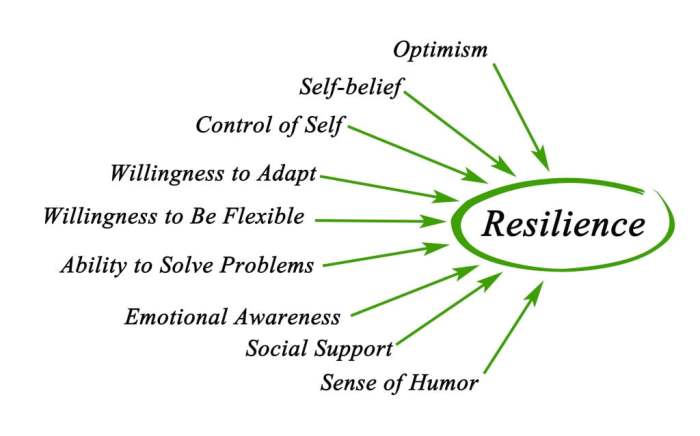
Resilience is the ability to bounce back from setbacks and adapt to change. It is especially important in the face of the challenges that come with aging. Here are some ways to build resilience:
- Cultivate a positive mindset and focus on the strengths and abilities you possess.
- Seek support from others and lean on your social network during difficult times.
- Practice self-care and prioritize your mental and emotional well-being.
- Stay flexible and open to new experiences, embracing change as a natural part of life.
Active Lifestyle
Having an active lifestyle is crucial for maintaining emotional resilience and overall wellbeing. When we engage in regular physical activity, our bodies release endorphins, which are chemicals that act as natural painkillers and mood elevators. This can help reduce feelings of stress, anxiety, and depression.
Ways Physical Activity Benefits Emotional Wellbeing
- Improves mood: Exercise can boost levels of serotonin, a neurotransmitter that contributes to feelings of happiness and well-being.
- Reduces stress: Physical activity helps lower cortisol levels, the hormone associated with stress, and promotes relaxation.
- Enhances self-esteem: Achieving fitness goals and feeling stronger physically can improve self-confidence and self-image.
- Increases resilience: Regular exercise can help individuals cope better with challenges and setbacks, enhancing emotional resilience.
Benefits of Incorporating Exercise into Daily Routines
- Boosts energy levels: Physical activity can increase stamina and overall energy, making it easier to tackle daily tasks.
- Improves sleep quality: Regular exercise is linked to better sleep patterns, which are essential for emotional well-being and cognitive function.
- Enhances cognitive function: Physical activity can improve focus, concentration, and mental clarity, leading to better decision-making and problem-solving skills.
- Strengthens immune system: Regular exercise can boost the immune system, reducing the risk of illnesses and promoting overall health.
Cardiovascular Health
Cardiovascular health plays a crucial role in our overall well-being, including our emotional state. The heart is not only a vital organ for our physical health but also influences our emotional resilience and mental health.
Connection between Cardiovascular Health and Emotional Wellbeing
Managing cardiovascular health effectively can significantly enhance emotional resilience. When our heart is healthy and functioning well, it provides the body with the necessary oxygen and nutrients to support optimal brain function. This, in turn, can help regulate emotions and improve our ability to cope with stress and adversity.
Importance of Stress Management for a Healthy Heart and Emotional Resilience
Stress management plays a key role in promoting a healthy heart and emotional resilience. Chronic stress can have a detrimental impact on cardiovascular health, leading to conditions like high blood pressure and heart disease. By effectively managing stress through techniques such as mindfulness, exercise, and relaxation, individuals can reduce the risk of heart-related issues and improve their emotional well-being.
Healthy Recipes: Emotional Wellbeing And Resilience Building Strategies
When it comes to supporting emotional wellbeing and resilience, the food we eat plays a crucial role. A nutritious diet can have a significant impact on our mental health, helping us stay balanced and resilient in the face of challenges. By incorporating healthy recipes into our meal planning, we can ensure that we are providing our bodies and minds with the essential nutrients they need to thrive.
Nutrient-Packed Smoothie Recipe
- Start your day with a nutrient-packed smoothie made with leafy greens, fruits, and protein-rich ingredients like chia seeds or nut butter.
- Blend together a handful of spinach or kale, a banana, some berries, a scoop of protein powder, and a tablespoon of chia seeds for a delicious and energizing breakfast.
- This smoothie is not only rich in vitamins, minerals, and antioxidants but also provides a good balance of carbohydrates, protein, and healthy fats to keep you satisfied and focused throughout the morning.
Vegetable Stir-Fry Recipe
- For a nutritious and satisfying lunch or dinner option, try making a vegetable stir-fry with a variety of colorful veggies like bell peppers, broccoli, carrots, and snap peas.
- Sauté the vegetables in a bit of olive oil and season with herbs and spices like garlic, ginger, and soy sauce for added flavor.
- Serve the stir-fry over a bed of brown rice or quinoa for a complete meal that is packed with fiber, vitamins, and minerals to support your overall health and wellbeing.
Mental Resilience
Mental resilience is the ability to adapt and bounce back from adversity, trauma, and stress. It plays a crucial role in coping with challenges and maintaining emotional well-being.
Strategies for Strengthening Mental Resilience
During times of stress, it is important to implement strategies that can help strengthen mental resilience:
- Practice mindfulness and meditation to stay present and calm.
- Build a strong support system of friends and family for emotional support.
- Engage in regular physical exercise to boost mood and reduce stress.
- Develop problem-solving skills to effectively tackle challenges.
- Take care of your physical health by getting enough sleep and maintaining a balanced diet.
Impact of Positive Thinking on Building Emotional Strength
Positive thinking has a significant impact on building emotional strength and mental resilience:
- Positive thinking helps to reframe negative situations and find opportunities for growth.
- It enhances overall well-being and improves the ability to cope with stress.
- Positive affirmations and self-talk can boost confidence and self-esteem.
- Optimism can lead to a more resilient mindset, enabling individuals to overcome challenges more effectively.
Immune Support
Emotional wellbeing and resilience play a crucial role in supporting immune function. When we are stressed or emotionally overwhelmed, it can weaken our immune system, making us more susceptible to illness. On the other hand, when we take care of our emotional health and build resilience, we can boost our immunity and better protect ourselves against pathogens.
Tips for Boosting Immunity through Stress Management
- Avoiding excessive stress through relaxation techniques such as deep breathing, meditation, or yoga.
- Engaging in regular physical activity to release endorphins and reduce stress levels.
- Maintaining a healthy diet rich in fruits, vegetables, and immune-boosting nutrients.
- Getting enough sleep to support overall immune function and reduce stress.
The Role of a Healthy Mind in Supporting Immune System
Research has shown that positive emotions and a healthy mindset can enhance immune function by reducing inflammation and promoting the production of antibodies.
A positive outlook and emotional resilience can help regulate the immune response, leading to better protection against infections and diseases. By cultivating a healthy mind, we can strengthen our immune system and improve our overall health.
Stress Relief
Stress relief is essential for improving emotional wellbeing and building resilience. It helps in managing the challenges and pressures of daily life, reducing the risk of mental health issues.
Importance of Relaxation and Self-Care
Relaxation and self-care play a crucial role in stress relief. Taking time for yourself, engaging in activities you enjoy, and practicing relaxation techniques can help reduce stress levels and improve overall emotional wellbeing.
Mindfulness Practices
- Deep Breathing: Focus on your breath, taking slow, deep breaths to calm your mind and body.
- Body Scan Meditation: Pay attention to each part of your body, releasing tension and promoting relaxation.
- Mindful Walking: Concentrate on each step you take, being present in the moment and letting go of worries.
- Guided Imagery: Visualize a peaceful place or scenario to distract from stress and induce relaxation.
Nutritional Balance
Maintaining a balanced diet is crucial for supporting emotional wellbeing and building resilience. The foods we consume play a significant role in our mental health and emotional stability.
Essential Nutrients for Emotional Wellbeing, Emotional wellbeing and resilience building strategies
- Omega-3 fatty acids: Found in fatty fish, flaxseeds, and walnuts, omega-3s are essential for brain health and can help reduce symptoms of anxiety and depression.
- Vitamin D: Exposure to sunlight and consuming foods like fortified dairy products and fatty fish can help boost mood and reduce the risk of depression.
- Antioxidants: Foods rich in antioxidants such as fruits, vegetables, and nuts can help protect brain cells from damage and improve overall mental health.
Guidance for a Balanced Diet
- Include a variety of fruits, vegetables, whole grains, lean proteins, and healthy fats in your meals.
- Avoid processed foods, sugary snacks, and excessive caffeine, as they can negatively impact mood and energy levels.
- Stay hydrated by drinking plenty of water throughout the day to support brain function and overall wellbeing.
Impact of Nutrients on Mental Health
- Protein: Essential for neurotransmitter function, protein-rich foods like lean meats, legumes, and dairy products can help regulate mood.
- B vitamins: Foods like whole grains, leafy greens, and nuts provide B vitamins that are crucial for energy production and mental clarity.
- Magnesium: Found in nuts, seeds, and leafy greens, magnesium can help reduce symptoms of anxiety and promote relaxation.
FAQs
How do healthy habits contribute to emotional wellbeing?
Healthy habits like regular exercise and balanced nutrition can boost mood and reduce stress, leading to improved emotional wellbeing.
What is the role of emotional intelligence in resilience building?
Emotional intelligence helps individuals understand and manage their emotions effectively, which is crucial for developing resilience in the face of challenges.
How can physical activity enhance emotional resilience?
Engaging in physical activity releases endorphins, the body’s natural mood lifters, which can enhance emotional resilience and overall wellbeing.
Why is stress management important for cardiovascular health?
Effective stress management can lower blood pressure and reduce the risk of heart disease, thus promoting better cardiovascular health and emotional wellbeing.
What are some mindfulness practices for managing stress levels?
Mindfulness techniques like deep breathing, meditation, and yoga can help reduce stress and promote emotional balance.


More Stories