Healthy Habits
Incorporating heart-healthy habits into daily routines is crucial for seniors to maintain overall well-being and prevent heart-related issues. Regular physical activity, staying hydrated, and consuming a balanced diet rich in fruits and vegetables are key components of a healthy lifestyle.
Regular Physical Activity
Regular physical activity plays a vital role in maintaining heart health for seniors. Engaging in activities such as walking, swimming, or gentle yoga can help improve cardiovascular function, strengthen muscles, and boost overall energy levels. Aim for at least 30 minutes of moderate exercise most days of the week to reap the benefits of a healthy heart.
Staying Hydrated
Proper hydration is essential for seniors to support heart health. Drinking an adequate amount of water throughout the day helps maintain blood volume, regulate body temperature, and support overall bodily functions. Aim to drink at least 8-10 cups of water daily, and consider incorporating hydrating foods like watermelon, cucumbers, and oranges into your diet.
Balanced Diet
A balanced diet rich in fruits and vegetables is key to promoting heart health for seniors. These foods are packed with essential nutrients, antioxidants, and fiber that can help lower cholesterol levels, reduce inflammation, and improve overall heart function. Aim to fill half your plate with fruits and vegetables at each meal to ensure you’re getting a variety of nutrients to support heart health.
Emotional Wellbeing
Maintaining emotional wellbeing is crucial for heart health in seniors. Stress and anxiety can have a negative impact on the heart, increasing the risk of cardiovascular issues. By implementing strategies to reduce stress and anxiety, seniors can promote a healthier heart and overall wellbeing.
Strategies for Reducing Stress and Anxiety
- Practice relaxation techniques such as deep breathing, meditation, or yoga to calm the mind and body.
- Engage in regular physical activity to release endorphins and reduce stress levels.
- Ensure an adequate amount of sleep to help the body recharge and combat stress.
- Seek support from loved ones, friends, or a therapist to talk about feelings and concerns.
- Stay organized and prioritize tasks to avoid feeling overwhelmed and stressed.
Role of Social Connections and Hobbies
Heart-healthy recipes for seniors – Social connections and hobbies play a significant role in enhancing emotional health for seniors.
- Regular social interactions can provide a sense of belonging and support, reducing feelings of loneliness and isolation.
- Engaging in hobbies and activities that bring joy and fulfillment can boost mood and overall emotional wellbeing.
- Volunteering or participating in community events can create a sense of purpose and connection with others.
- Joining clubs or groups based on shared interests can help seniors build new relationships and maintain a strong support system.
Healthy Aging
Maintaining a healthy lifestyle is crucial for seniors looking to promote healthy aging. By making positive lifestyle choices, individuals can enhance their overall health and wellbeing as they age.
Approaches to Healthy Aging
- Regular physical activity: Engaging in exercise and staying active can help seniors maintain muscle mass, strength, and flexibility.
- Healthy diet: Consuming a balanced diet rich in fruits, vegetables, whole grains, lean proteins, and healthy fats can support heart health and cognitive function.
- Regular medical check-ups: Seniors should schedule regular check-ups with their healthcare provider to monitor their health and address any potential issues early on.
- Social connections: Maintaining social connections and engaging in activities with friends and family can help promote emotional wellbeing and reduce feelings of isolation.
Maintaining Cognitive Function and Heart Health
- Brain-stimulating activities: Engaging in mentally stimulating activities such as puzzles, reading, or learning new skills can help maintain cognitive function.
- Heart-healthy diet: Consuming foods low in saturated fats, cholesterol, and sodium while high in fiber, vitamins, and minerals can promote heart health and reduce the risk of cardiovascular disease.
- Stress management: Practicing stress-reducing techniques such as meditation, deep breathing, or yoga can help lower stress levels, which can benefit both cognitive function and heart health.
- Adequate sleep: Getting enough quality sleep is essential for overall health and wellbeing, including cognitive function and heart health.
Challenges in Healthy Aging
- Chronic conditions: Managing chronic conditions such as diabetes, arthritis, or hypertension can pose challenges for seniors in maintaining overall health and wellbeing.
- Mental health issues: Seniors may face mental health challenges such as depression or anxiety, which can impact their ability to engage in healthy behaviors.
- Physical limitations: Age-related physical limitations or disabilities can make it difficult for seniors to exercise or engage in activities that promote healthy aging.
- Social isolation: Feelings of loneliness or social isolation can impact emotional wellbeing and overall health, making it important for seniors to stay connected with others.
Active Lifestyle

Regular physical activity is essential for seniors to maintain a healthy heart. Engaging in suitable exercises and activities can help improve cardiovascular health and overall well-being. It is important for seniors to focus on balance, flexibility, and strength training as part of an active lifestyle to support heart health.
Benefits of Balance, Flexibility, and Strength Training
- Improves coordination and stability
- Reduces the risk of falls and injuries
- Enhances overall mobility and quality of life
Low-Impact Workouts for Seniors
- Walking: A simple yet effective way to improve heart health without putting too much strain on the body.
- Swimming: Water-based exercises are gentle on the joints and provide a full-body workout.
- Yoga: Helps improve flexibility, strength, and mental well-being.
- Cycling: Low-impact exercise that can be done indoors or outdoors to boost cardiovascular fitness.
Cardiovascular Health
As seniors age, it becomes increasingly important to prioritize cardiovascular health to maintain overall well-being. This involves monitoring key indicators such as blood pressure and cholesterol levels to prevent heart-related issues.
Monitoring Blood Pressure and Cholesterol Levels
Regular monitoring of blood pressure and cholesterol levels is crucial for seniors to detect any potential issues early on. High blood pressure and cholesterol levels can increase the risk of heart disease and other cardiovascular problems. By keeping these levels in check, seniors can better manage their cardiovascular health and reduce the likelihood of complications.
Impact of Smoking and Excessive Alcohol Consumption
Smoking and excessive alcohol consumption can have detrimental effects on cardiovascular health, especially for seniors. Smoking damages the blood vessels and increases the risk of heart disease, while excessive alcohol consumption can lead to high blood pressure and other heart-related issues. Seniors should aim to quit smoking and limit alcohol intake to protect their heart health.
Warning Signs of Heart Problems
Seniors should be aware of common warning signs that may indicate heart problems, such as chest pain, shortness of breath, fatigue, and dizziness. These symptoms should not be ignored and prompt medical attention should be sought if they occur. Early detection and treatment of heart issues can help prevent serious complications and improve overall quality of life.
Healthy Recipes
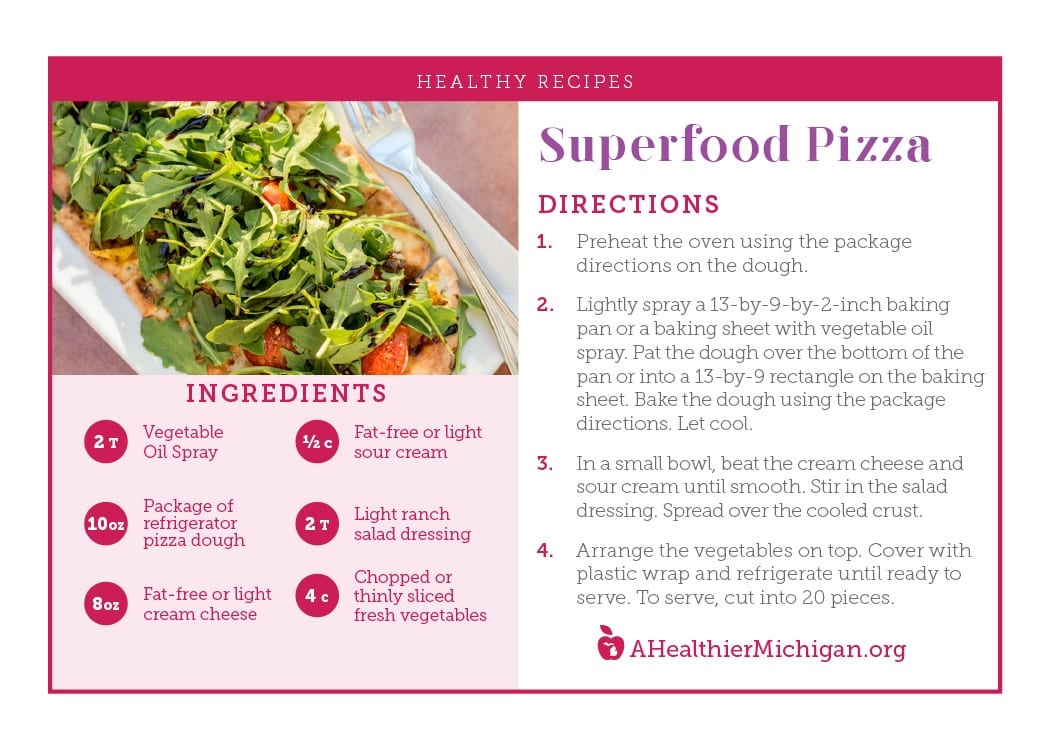
When it comes to maintaining a healthy heart, nutrition plays a crucial role. Below are some easy-to-follow heart-healthy recipes tailored specifically for seniors’ nutritional needs.
Importance of Portion Control and Meal Planning
Portion control and meal planning are essential for seniors to maintain a healthy heart. By controlling portion sizes and planning meals in advance, seniors can ensure they are consuming the right balance of nutrients without overeating.
Alternatives to High-Sodium or High-Fat Ingredients
It’s important to be mindful of ingredients that are high in sodium or fat when cooking heart-healthy meals. Here are some alternatives you can use to make your recipes healthier:
- Replace salt with herbs and spices to add flavor without the added sodium.
- Choose lean cuts of meat or poultry instead of fatty cuts.
- Use olive oil or avocado as a healthier alternative to butter or margarine.
- Opt for whole grains like brown rice or quinoa instead of white rice or refined grains.
Mental Resilience
Building mental resilience is crucial for seniors as it can have a positive impact on their heart health. Seniors who are mentally resilient are better equipped to cope with life changes, loss, and other stressors, leading to improved overall mental wellbeing. This, in turn, can have a direct correlation with their cardiovascular health.
Techniques for Coping with Stress
It’s important for seniors to develop coping mechanisms to deal with stress effectively. Some techniques include:
- Practicing mindfulness and meditation to stay present and reduce anxiety.
- Engaging in regular physical activity to release endorphins and improve mood.
- Seeking support from friends, family, or a therapist to talk through feelings and emotions.
- Engaging in hobbies or activities that bring joy and relaxation.
Connection Between Mental Health and Cardiovascular Health
Mental health and cardiovascular health are closely linked in seniors. Chronic stress, anxiety, and depression can contribute to the development of heart disease and other cardiovascular issues. By prioritizing mental wellbeing and building resilience, seniors can reduce their risk of heart-related problems and improve their overall quality of life.
Immune Support
Having a strong immune system is crucial for maintaining heart health in seniors. A robust immune response helps protect the body from infections and inflammation, which can have a negative impact on cardiovascular function.
Foods and Supplements for Immune Support
There are several foods and supplements that can help boost immune function in seniors:
- Colorful fruits and vegetables rich in vitamins A, C, and E
- Probiotic-rich foods like yogurt and kefir to support gut health
- Omega-3 fatty acids from fish or flaxseed for anti-inflammatory benefits
- Zinc-rich foods such as lean meats, nuts, and seeds to enhance immune response
- Vitamin D supplements, especially for seniors with limited sun exposure
Lifestyle Habits for Immune Support
In addition to diet, certain lifestyle habits can also enhance seniors’ immune response and protect against illnesses:
- Regular physical activity to boost circulation and immune function
- Adequate sleep to allow the body to repair and regenerate cells
- Stress management techniques like meditation or yoga to reduce inflammation
- Hydration with plenty of water to support immune system function
- Regular handwashing and proper hygiene practices to prevent infections
Stress Relief
Managing stress is crucial for seniors’ heart health. Chronic stress can have a negative impact on the heart, increasing the risk of cardiovascular issues. By incorporating relaxation techniques and stress-relief strategies into their daily routine, seniors can improve their overall well-being.
Mindfulness Practices for Stress Relief
- Deep breathing exercises: Encourage seniors to practice deep breathing techniques to calm their mind and reduce stress levels.
- Yoga and meditation: Suggest gentle yoga poses and meditation sessions to promote relaxation and mindfulness.
- Engaging in hobbies: Encourage seniors to pursue activities they enjoy, such as gardening, painting, or reading, to unwind and de-stress.
- Spending time in nature: Recommend spending time outdoors, surrounded by nature, to boost mood and reduce stress.
Nutritional Balance: Heart-healthy Recipes For Seniors
Maintaining a balanced diet is crucial for seniors’ heart health as it provides the necessary nutrients to support overall cardiovascular wellness. A diet rich in essential vitamins, minerals, and antioxidants can help lower the risk of heart disease and other related conditions.
Guidelines for Creating Heart-Healthy Meals
- Aim for a variety of colorful fruits and vegetables to ensure a range of vitamins and minerals that support heart health.
- Incorporate whole grains, lean proteins, and healthy fats like those found in nuts, seeds, and olive oil.
- Limit saturated fats, trans fats, cholesterol, and sodium to maintain healthy blood pressure and cholesterol levels.
- Choose low-fat dairy products and opt for lean sources of protein such as poultry, fish, and plant-based proteins like beans and legumes.
Role of Vitamins, Minerals, and Antioxidants in Cardiovascular Wellness, Heart-healthy recipes for seniors
Vitamins such as vitamin C, E, and B-complex, minerals like magnesium, potassium, and antioxidants such as beta-carotene and lycopene play a vital role in reducing inflammation, improving blood flow, and protecting against oxidative stress in the heart.
Key Questions Answered
What are some easy ways to incorporate heart-healthy habits into daily routines for seniors?
Seniors can start by adding more fruits and vegetables to their meals, opting for whole grains, and reducing salt and sugar intake.
How can emotional well-being impact heart health in seniors?
Emotional well-being plays a crucial role in heart health for seniors, as stress and anxiety can contribute to heart issues. Finding ways to manage emotions can lead to a healthier heart.
Why is maintaining a balanced diet important for seniors’ heart health?
A balanced diet provides essential nutrients that support heart health, such as fiber, vitamins, and minerals. It helps in maintaining overall well-being and reducing the risk of heart diseases.


More Stories
High-protein healthy snack recipes: Nutritious and Delicious Options for Every Lifestyle