Healthy Habits
Maintaining healthy habits is essential when you have a desk job to ensure you stay active and energized throughout the day. Here are some tips to help you incorporate healthy habits into your work routine:
Incorporating Stretching Exercises
How to stay active with a desk job – It’s important to take short breaks during your workday to stretch your muscles and prevent stiffness. Try incorporating simple stretching exercises like neck rolls, shoulder shrugs, and wrist circles to release tension and improve circulation.
Taking Regular Breaks to Move Around
Schedule regular breaks to stand up, walk around, or do a quick lap around the office. Movement helps prevent muscle fatigue, improves focus, and boosts productivity.
Staying Hydrated Throughout the Day
Remember to drink plenty of water throughout the day to stay hydrated and maintain optimal performance. Dehydration can lead to fatigue and reduced cognitive function, so keep a water bottle at your desk as a reminder to drink up.
Choosing Healthy Snacks
Instead of reaching for sugary or processed snacks, opt for healthy alternatives like nuts, fruits, yogurt, or veggies with hummus. These snacks provide sustained energy and essential nutrients to keep you going strong.
Emotional Wellbeing
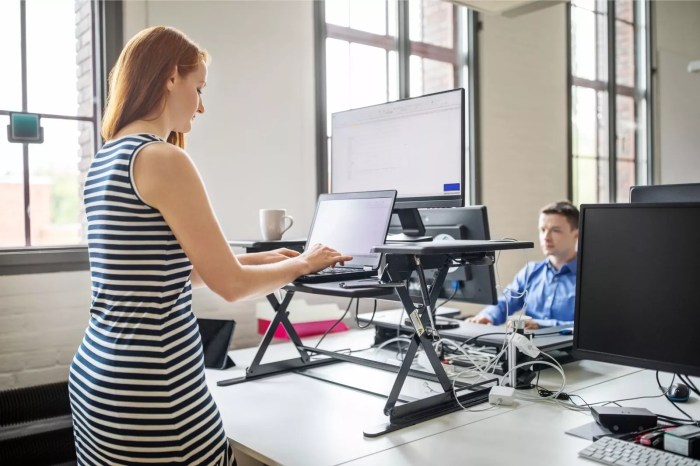
Physical activity has a significant impact on emotional wellbeing as it can improve mood and reduce stress. When we engage in exercise, our bodies release endorphins, also known as “feel-good” hormones, which can help alleviate feelings of anxiety and depression.
Practicing Mindfulness
- Take short breaks throughout the day to focus on your breath and bring your attention to the present moment.
- Practice deep breathing exercises to calm the mind and reduce stress levels.
- Use mindfulness apps or guided meditation videos to help you stay centered and focused.
Positive Social Interactions
- Connect with colleagues or friends during breaks to foster positive social interactions.
- Engage in team-building activities or group exercises to boost morale and create a sense of community.
- Join virtual support groups or online communities to share experiences and receive encouragement.
Desk-Friendly Stress-Relief Exercises
- Neck and shoulder stretches to release tension built up from sitting for long periods.
- Chair yoga poses to stretch and relax tight muscles while seated at your desk.
- Mindful walking breaks around the office or workspace to clear your mind and rejuvenate your energy.
Healthy Aging: How To Stay Active With A Desk Job
Regular physical activity is key to healthy aging, helping to maintain muscle mass and joint flexibility as we grow older. Staying active can also reduce the risk of age-related health issues and improve overall quality of life. Here are some tips for incorporating strength training exercises into your workday and examples of activities that promote healthy aging while working a desk job.
Benefits of Staying Active for Healthy Aging
Regular movement through strength training exercises can help preserve muscle mass and improve joint flexibility, which are essential for maintaining mobility and preventing injuries as we age. By staying active, individuals can also reduce the risk of age-related health issues such as osteoporosis, arthritis, and heart disease.
Tips for Incorporating Strength Training during the Workday, How to stay active with a desk job
- Take short breaks throughout the day to perform bodyweight exercises like squats, lunges, and push-ups.
- Use resistance bands or small weights to do arm curls, shoulder presses, or leg lifts while sitting at your desk.
- Consider investing in a standing desk or a balance ball chair to engage your core muscles and improve posture.
Activities Promoting Healthy Aging at a Desk Job
- Join a virtual fitness class during your lunch break to incorporate cardio and strength training exercises.
- Take the stairs instead of the elevator to increase daily physical activity and improve cardiovascular health.
- Set reminders to stretch or walk around the office every hour to prevent stiffness and improve circulation.
Active Lifestyle
Regular physical activity is essential for maintaining a healthy lifestyle, especially for individuals with desk jobs. Setting activity goals and tracking progress can help in staying motivated and ensuring consistent exercise.
Integrating Physical Activity into Work Routine
- Take short breaks every hour to stretch or walk around the office.
- Use a standing desk or adjustable workstation to alternate between sitting and standing.
- Schedule workout sessions before or after work to ensure regular exercise.
Benefits of Outdoor Activities during Breaks
Outdoor activities during breaks can help in refreshing the mind and improving overall well-being. Some benefits include:
- Increased vitamin D intake from sunlight exposure.
- Reduced stress levels and improved mood.
- Enhanced creativity and productivity upon returning to work.
Low-Impact Exercises for an Active Lifestyle
Low-impact exercises are gentle on the joints while still providing a good workout. Some examples include:
- Yoga or Pilates for flexibility and strength.
- Swimming for a full-body workout without stressing the joints.
- Cycling or using a stationary bike for cardiovascular endurance.
Cardiovascular Health
Prolonged sitting can have a negative impact on cardiovascular health, increasing the risk of heart disease, high blood pressure, and other related conditions. It is essential to incorporate cardio exercises into a desk job routine to counteract these risks and promote a healthy heart.
Benefits of Cardio Exercises
- Improves circulation and blood flow
- Reduces cholesterol levels
- Strengthens the heart muscle
- Helps maintain a healthy weight
Tips for Improving Heart Health
- Take regular breaks to stand up and move around
- Incorporate short bursts of cardio exercises throughout the day
- Use a standing desk or adjustable workstation
- Take the stairs instead of the elevator
Desk-Friendly Cardio Workouts
- Chair squats
- Leg lifts
- Marching in place
- Jumping jacks
Healthy Recipes
Eating nutritious foods is essential to maintaining energy levels and focus throughout the workday. By incorporating healthy snacks and meals into your routine, you can optimize your productivity and overall well-being.
Nutritious Snack Ideas
- Trail mix with nuts, seeds, and dried fruit for a quick energy boost.
- Greek yogurt with berries and a drizzle of honey for a protein-packed snack.
- Veggies with hummus or guacamole for a satisfying and nutritious option.
Importance of a Balanced Diet
Having a balanced diet that includes a variety of fruits, vegetables, whole grains, lean proteins, and healthy fats is crucial for supporting your health and productivity. Nutrient-dense foods provide the energy and nutrients needed to stay focused and alert during the workday.
Quick and Easy Healthy Meal Recipes
- Quinoa salad with mixed veggies, chickpeas, and a lemon vinaigrette dressing.
- Grilled chicken wraps with whole wheat tortillas, avocado, lettuce, and salsa.
- Stir-fried tofu with broccoli, bell peppers, and a soy ginger sauce served over brown rice.
Impact of Food Choices on Energy Levels
Choosing nutrient-rich foods over processed snacks and sugary treats can help stabilize blood sugar levels and prevent energy crashes. By fueling your body with the right nutrients, you can enhance your concentration and performance at work.
Mental Resilience
Physical activity is not only beneficial for our physical health but also plays a crucial role in enhancing cognitive function and mental resilience. Exercise has been linked to improved memory, focus, and overall brain health, making it a powerful tool for managing stress and staying mentally sharp.
Strategies for Managing Work-Related Stress Through Exercise
- Engage in regular physical activity such as walking, jogging, or yoga to reduce stress hormones and increase endorphin levels, boosting mood and productivity.
- Take short breaks throughout the workday to stretch, move around, or practice deep breathing exercises to release tension and improve mental clarity.
- Incorporate strength training or high-intensity workouts to challenge yourself physically, promoting a sense of accomplishment and resilience in the face of challenges.
The Role of a Positive Mindset in Overcoming Challenges at Work
A positive mindset can significantly impact how we perceive and respond to challenges in the workplace. By cultivating optimism and resilience, individuals can navigate stressful situations more effectively and maintain a proactive approach to problem-solving.
Activities to Improve Mental Resilience for Desk Workers
- Practice mindfulness and meditation to enhance focus, reduce anxiety, and build emotional resilience.
- Engage in creative hobbies outside of work to stimulate the mind, foster innovation, and promote mental flexibility.
- Connect with colleagues or join a support group to share experiences, receive feedback, and build a strong social network for coping with work-related stressors.
Immune Support
Regular physical activity plays a crucial role in boosting the immune system. By engaging in exercise, desk job workers can enhance their overall immune function, making them more resilient to illnesses and infections.
Healthy Lifestyle and Immune Function
Maintaining a healthy lifestyle is directly linked to improved immune function. Adequate sleep, balanced nutrition, hydration, and stress management all contribute to a stronger immune system. By incorporating these habits into your daily routine, you can better protect yourself from falling ill.
- Get at least 7-8 hours of quality sleep each night to allow your body to recharge and repair.
- Stay hydrated by drinking plenty of water throughout the day to support immune function.
- Manage stress through relaxation techniques like deep breathing, meditation, or yoga to reduce inflammation and boost immunity.
Hygiene Practices at the Desk
Maintaining good hygiene practices at your desk is essential for preventing the spread of germs and bacteria. Simple habits like regularly disinfecting your workspace, washing your hands frequently, and avoiding touching your face can help reduce the risk of infections.
Remember to clean your keyboard, mouse, and phone regularly to minimize the buildup of bacteria.
Immune-Boosting Foods and Supplements
Desk job workers can benefit from incorporating immune-boosting foods and supplements into their diet. Foods rich in vitamins C and D, zinc, and antioxidants can help strengthen the immune system.
- Citrus fruits like oranges and grapefruits are high in vitamin C, which is known to enhance immune function.
- Fatty fish such as salmon and mackerel provide vitamin D, essential for immune regulation.
- Include nuts, seeds, and legumes for a good source of zinc, crucial for immune health.
- Consider taking supplements like echinacea or probiotics to further support your immune system.
Stress Relief
Stress can have a significant impact on overall health and productivity. It can lead to physical symptoms like headaches, muscle tension, and fatigue, as well as mental health issues such as anxiety and depression. In a work setting, stress can decrease concentration, creativity, and efficiency, ultimately affecting job performance and job satisfaction.
Benefits of Stress-Relief Techniques
- Improved focus and concentration
- Enhanced mood and morale
- Reduced risk of burnout
- Increased productivity and creativity
Creating a Calming Work Environment
Creating a calming work environment can help reduce stress levels and improve overall well-being. Some strategies to consider include:
- Organizing and decluttering your workspace
- Adding plants or natural elements
- Using calming scents like lavender or eucalyptus
- Playing soothing music or nature sounds
Desk-Friendly Stress-Relief Activities
Even with a busy work schedule, there are simple stress-relief activities that can be incorporated into the workday. Consider trying these desk-friendly techniques:
- Deep breathing exercises
- Stretching or yoga poses
- Mindfulness meditation
- Visualizing calming scenes or positive affirmations
Nutritional Balance
Maintaining a balanced nutrition is crucial for desk job workers to sustain energy levels and overall health throughout the workday. By incorporating nutrient-dense foods and proper hydration, individuals can optimize their productivity and well-being.
Meal Planning and Healthy Eating Habits
Meal planning is essential for desk job workers to ensure they have access to nutritious meals during busy workdays. By preparing meals in advance, individuals can avoid unhealthy food choices and maintain a balanced diet. Healthy eating habits such as incorporating fruits, vegetables, whole grains, lean proteins, and healthy fats into meals can provide sustained energy and support overall health.
Role of Hydration
Staying hydrated is key to maintaining optimal health and productivity at work. Dehydration can lead to fatigue, reduced focus, and overall decreased performance. Desk job workers should aim to drink an adequate amount of water throughout the day to stay hydrated and alert.
Nutrient-Dense Foods
- Leafy greens such as spinach, kale, and Swiss chard are rich in vitamins and minerals that support overall health.
- Lean proteins like chicken, turkey, tofu, and beans provide essential amino acids for muscle repair and energy production.
- Whole grains such as quinoa, brown rice, and oats offer fiber and sustained energy to keep desk job workers feeling full and focused.
- Fruits like berries, apples, and oranges are packed with antioxidants and vitamins to boost immunity and provide a natural source of sweetness.
- Healthy fats from sources like avocado, nuts, and olive oil can support brain health and satiety, helping desk job workers stay satisfied and focused.
FAQ Summary
How often should I incorporate stretching exercises into my workday?
It’s recommended to do short stretching exercises every hour to combat the negative effects of prolonged sitting.
What are some examples of desk-friendly stress-relief exercises?
Simple activities like deep breathing, shoulder rolls, and neck stretches can help relieve stress and tension while at your desk.
How can I track my progress in integrating physical activity into my sedentary work routine?
You can use fitness apps, activity trackers, or simply maintain a log to monitor your daily movement and set achievable goals.
What are some nutrient-dense foods that can support nutritional balance during the workday?
Foods like nuts, seeds, fruits, vegetables, and lean proteins are excellent choices to maintain energy levels and focus at work.
Is it necessary to engage in strength training exercises during the workday?
Incorporating strength training exercises can help prevent muscle loss and maintain overall physical health, but it’s not mandatory to do it during work hours.


More Stories