Healthy Habits
Healthy habits for boosting immunity – Healthy habits play a crucial role in boosting immunity and overall well-being. By incorporating simple routines into your daily life, you can enhance your body’s defense mechanisms and improve your quality of life.
Examples of Daily Routines
- Eating a balanced diet rich in fruits, vegetables, whole grains, and lean proteins.
- Staying hydrated by drinking an adequate amount of water throughout the day.
- Getting regular exercise to strengthen your body and immune system.
- Practicing good hygiene, such as washing hands frequently and maintaining a clean environment.
- Getting enough quality sleep to allow your body to rest and regenerate.
Impact on Overall Well-being
By adopting healthy habits, you can experience a range of benefits beyond just immunity. Improved nutrition, hydration, and fitness levels can boost energy, mood, and cognitive function. Good hygiene practices can prevent illness and promote better physical health. Adequate sleep supports immune function, mental clarity, and emotional well-being. Overall, these habits contribute to a healthier, happier life.
Emotional Wellbeing: Healthy Habits For Boosting Immunity
Maintaining emotional well-being is crucial for a healthy immune system. Our emotional state can directly impact our body’s ability to fight off infections and diseases. When we are stressed, anxious, or overwhelmed, our immune system can become compromised, making us more susceptible to illnesses.
Strategies for Maintaining Emotional Balance
- Adequate Sleep: Getting enough rest is essential for emotional well-being. Lack of sleep can lead to irritability and increased stress levels.
- Regular Exercise: Physical activity releases endorphins, which are known as “feel-good” hormones that can help reduce stress and improve mood.
- Healthy Diet: Eating a balanced diet rich in fruits, vegetables, and whole grains can provide essential nutrients that support both emotional and physical health.
- Practicing Mindfulness: Techniques like meditation, deep breathing, and yoga can help reduce stress and promote emotional balance.
- Connecting with Others: Building strong social connections and maintaining supportive relationships can have a positive impact on emotional well-being.
Role of Stress Management in Enhancing Emotional Well-being and Immunity, Healthy habits for boosting immunity
Stress management plays a significant role in supporting emotional well-being and boosting immunity. Chronic stress can weaken the immune system, making it harder for the body to fight off infections. By implementing stress-reducing techniques such as mindfulness, exercise, and relaxation, individuals can improve their emotional health and enhance their immune function.
Healthy Aging
As we age, maintaining a healthy immune system becomes increasingly important to ward off illnesses and infections. Adopting healthy habits can play a crucial role in promoting healthy aging and strengthening immunity.
Tips for Older Adults to Maintain Immune Health
Here are some lifestyle choices that older adults can make to maintain and boost their immune health:
- Aim for a balanced diet rich in fruits, vegetables, whole grains, and lean proteins to provide essential nutrients for immune function.
- Stay hydrated by drinking an adequate amount of water throughout the day to support overall health and immune system function.
- Engage in regular physical activity to improve circulation, reduce inflammation, and enhance immune response.
- Get enough sleep to allow your body to rest, repair, and regenerate, which is essential for a strong immune system.
- Avoid smoking and limit alcohol consumption, as these habits can weaken the immune system and make you more susceptible to infections.
- Manage stress through relaxation techniques, mindfulness, or hobbies to reduce the impact of stress hormones on immune function.
The Importance of Staying Active and Engaged in Later Years
Staying active and engaged in later years is crucial for immune support and overall well-being. Regular physical activity can help maintain muscle mass, improve cardiovascular health, and boost immune function. Engaging in social activities, pursuing hobbies, and staying mentally stimulated can also contribute to a positive outlook, reduced stress levels, and enhanced immune response.
Active Lifestyle
Regular physical activity is key to maintaining a strong immune system and overall health. Engaging in an active lifestyle can have numerous benefits on immune function, helping to boost resilience and fight off infections more effectively.
Benefits of an Active Lifestyle on Immune Function
- Regular exercise can help improve circulation, allowing immune cells to move more freely throughout the body to detect and fight infections.
- Physical activity can also reduce inflammation in the body, which is linked to a variety of health issues, including weakened immune function.
- Exercise has been shown to reduce stress levels, which can have a positive impact on immune response.
Physical Activities to Boost Immunity
- Aerobic exercises like running, cycling, or swimming can help strengthen the immune system by increasing blood flow and oxygen delivery to cells.
- Strength training exercises, such as weightlifting or bodyweight exercises, can improve muscle mass and overall immune function.
- Yoga and tai chi are excellent activities to reduce stress and improve immune function through relaxation and mindfulness.
Relationship Between Regular Exercise and Immune System Resilience
Regular physical activity plays a crucial role in maintaining a strong and resilient immune system. By engaging in consistent exercise, individuals can enhance their body’s ability to defend against pathogens and infections. It is important to note that moderation is key, as excessive exercise can have the opposite effect and weaken the immune system. Finding a balanced routine that includes a variety of activities is essential for optimal immune function.
Cardiovascular Health
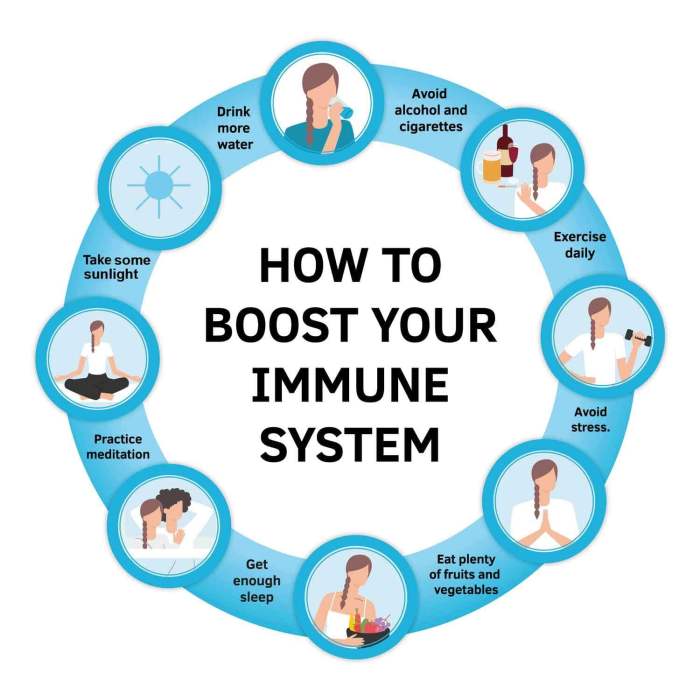
Maintaining a healthy cardiovascular system is crucial for supporting overall immunity. The cardiovascular system, which includes the heart and blood vessels, plays a key role in immune function by transporting immune cells and antibodies throughout the body to fight off infections.
Tips for Maintaining a Healthy Heart
- Avoid smoking and limit alcohol intake to reduce the risk of heart disease.
- Engage in regular physical activity such as walking, jogging, or swimming to strengthen the heart muscle.
- Manage stress through relaxation techniques like deep breathing, yoga, or meditation to lower blood pressure and reduce strain on the heart.
- Eat a balanced diet rich in fruits, vegetables, whole grains, lean proteins, and healthy fats to support heart health.
Importance of Diet and Exercise for Cardiovascular Health
Regular exercise helps improve circulation, reduce inflammation, and lower cholesterol levels, all of which contribute to a healthy heart. A balanced diet that includes nutrients like omega-3 fatty acids, antioxidants, and fiber can also lower the risk of heart disease and support immune function.
Healthy Recipes
Looking for immune-boosting recipes that are not only delicious but also packed with nutrients and antioxidants? Here are some cooking tips to help you prepare meals that promote immune health while discussing the importance of a well-balanced diet in supporting overall immunity.
Immune-Boosting Smoothie
- Ingredients: Spinach, kale, banana, berries, almond milk, chia seeds
- Blend all ingredients until smooth and enjoy a refreshing and nutrient-packed smoothie that will help boost your immunity.
Garlic-Lemon Roasted Chicken
- Ingredients: Chicken breasts, garlic, lemon, olive oil, herbs
- Marinate chicken in a mixture of minced garlic, lemon juice, and herbs, then roast in the oven for a flavorful and immune-boosting meal.
Quinoa and Vegetable Stir-Fry
- Ingredients: Quinoa, mixed vegetables, tofu or chicken, soy sauce, ginger, garlic
- Cook quinoa according to package instructions, then stir-fry with mixed vegetables, protein of choice, and a flavorful sauce made from soy sauce, ginger, and garlic for a nutritious and immune-supporting dish.
Mental Resilience
Mental resilience plays a crucial role in supporting immune system function. The mind and body are interconnected, and stress can weaken the immune response, making us more susceptible to illnesses. Building mental resilience is essential for combating stress and boosting immunity.
Strategies for Building Mental Resilience
- Practice mindfulness and meditation to reduce stress levels and improve emotional well-being.
- Engage in regular physical activity to release endorphins and promote a positive mood.
- Cultivate a strong support system of friends and family to provide emotional support during challenging times.
- Develop a positive mindset by focusing on gratitude and practicing self-compassion.
- Set realistic goals and prioritize tasks to avoid feeling overwhelmed and stressed.
Impact of Positive Thinking and Mindfulness on Immune Health
Positive thinking and mindfulness can help reduce the production of stress hormones, such as cortisol, which can suppress the immune system. By fostering a positive outlook and being present in the moment, individuals can enhance their immune response and overall well-being.
Immune Support
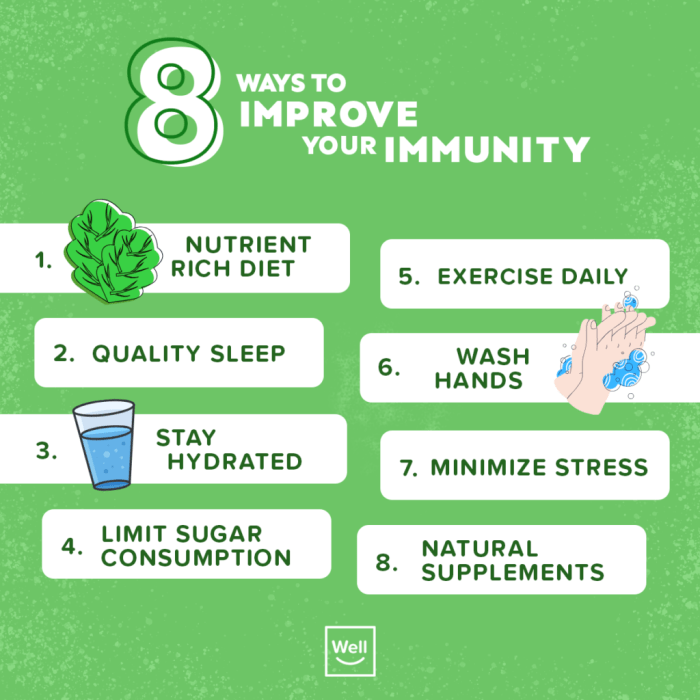
Maintaining a strong immune system is crucial for overall health and well-being. Specific nutrients and vitamins play a vital role in supporting the immune system, helping to ward off illnesses and infections.
Key Nutrients for Immune Support
- Vitamin C: Known for its antioxidant properties, vitamin C helps boost the production of white blood cells, which are essential for fighting infections.
- Vitamin D: Plays a crucial role in regulating the immune system and can help reduce the risk of respiratory infections.
- Zinc: Important for the development and function of immune cells, zinc deficiency can impair immune response.
It is essential to include a variety of nutrient-rich foods in your diet to ensure proper immune function.
Enhancing Immune Support Through Dietary Choices
- Include a variety of fruits and vegetables in your meals to get a range of vitamins and minerals that support immune health.
- Incorporate lean proteins, whole grains, and healthy fats to provide your body with essential nutrients for optimal immune function.
- Avoid excessive consumption of processed foods, sugary drinks, and unhealthy fats, as they can weaken the immune system.
The Importance of a Healthy Gut Microbiome
- Your gut health is closely linked to your immune system, as a healthy gut microbiome can help regulate immune response and prevent inflammation.
- Eat probiotic-rich foods like yogurt, kefir, and sauerkraut to promote a healthy balance of gut bacteria.
- Fiber-rich foods such as fruits, vegetables, and whole grains also support a healthy gut microbiome and overall immune function.
Stress Relief
Chronic stress can have a detrimental impact on our immune system, making us more susceptible to illnesses and infections. When our body is constantly in a state of stress, it releases hormones like cortisol that can suppress the immune response, leading to inflammation and decreased immune function.
Relaxation Techniques for Managing Stress
- Practice deep breathing exercises: Deep breathing can help calm the nervous system and reduce stress levels.
- Engage in regular physical activity: Exercise releases endorphins, which are natural mood lifters that can help reduce stress.
- Try meditation or mindfulness: These practices can help you stay present and focused, reducing anxiety and promoting relaxation.
- Get enough sleep: Lack of sleep can contribute to increased stress levels, so prioritize getting a good night’s rest.
Impact of Mindfulness, Meditation, and Self-Care
- Mindfulness: Being mindful involves paying attention to the present moment without judgment, which can help reduce stress and improve overall well-being.
- Meditation: Regular meditation practice can calm the mind, increase self-awareness, and promote emotional health, all of which can contribute to stress relief.
- Self-care practices: Engaging in activities that bring you joy and relaxation, such as reading, hobbies, or spending time in nature, can help alleviate stress and boost immunity.
Nutritional Balance
Maintaining a balanced diet is essential for supporting a healthy immune system. A proper nutritional balance provides the necessary vitamins, minerals, and nutrients that help strengthen immune function and overall health.
Foods that Support Immune Function
- Citrus fruits: Rich in vitamin C, which boosts the production of white blood cells that fight infections.
- Yogurt: Contains probiotics that support gut health, where a significant portion of the immune system resides.
- Spinach: Packed with antioxidants and beta carotene, which may increase the infection-fighting ability of our immune systems.
- Almonds: Excellent source of vitamin E, which is key for maintaining a healthy immune system.
- Turmeric: Contains curcumin, known for its anti-inflammatory and antioxidant properties.
Importance of Nutritional Balance
Maintaining nutritional balance is crucial for ensuring optimal immune response. A diet rich in a variety of fruits, vegetables, lean proteins, whole grains, and healthy fats provides the body with the necessary nutrients to support immune function. Proper nutrition also helps reduce inflammation, support healthy gut bacteria, and promote overall wellness.
Q&A
How do healthy habits contribute to boosting immunity?
Healthy habits such as regular exercise, balanced diet, and stress management play a crucial role in strengthening the immune system.
What are some examples of emotional well-being strategies for immune support?
Practicing mindfulness, engaging in activities you enjoy, and seeking social support are effective strategies for maintaining emotional balance and supporting immune health.
How can older adults maintain immune health through lifestyle choices?
Older adults can maintain immune health by staying physically active, eating a nutritious diet, getting enough sleep, and staying socially connected.
What role do specific nutrients and vitamins play in supporting the immune system?
Nutrients like vitamin C, vitamin D, zinc, and antioxidants are essential for a healthy immune system and can be obtained through a balanced diet.
How does chronic stress impact the immune system?
Chronic stress can weaken the immune system by suppressing immune responses and making the body more susceptible to infections and illnesses.


More Stories
Daily habits for immune support: Boosting health through simple routines and choices
Exercises to improve mental resilience
Monitoring blood pressure for heart health: Importance, Habits, and Tips