Healthy Habits
Maintaining healthy bones is crucial for overall well-being, especially as we age. Incorporating certain healthy habits into your daily routine can significantly contribute to optimal bone health.
Regular Exercise
Regular exercise, particularly weight-bearing and resistance training, is essential for maintaining strong and healthy bones. Activities like walking, jogging, dancing, and weightlifting help stimulate bone growth and prevent bone loss, reducing the risk of osteoporosis.
Bone-Friendly Foods
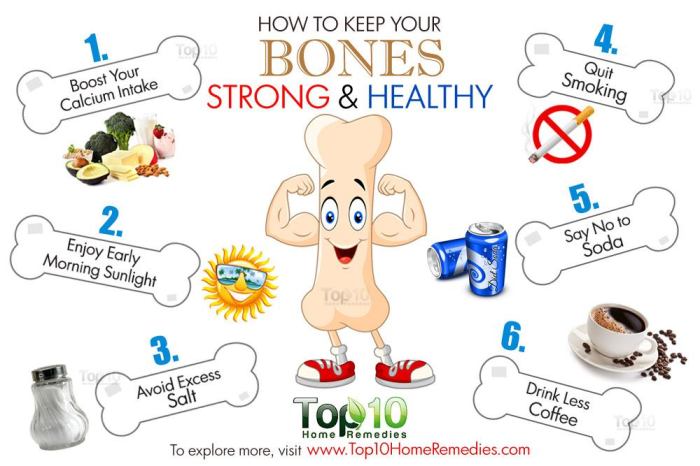
Including foods rich in calcium, vitamin D, magnesium, and other essential nutrients in your diet is vital for bone health. Some examples of bone-friendly foods include dairy products, leafy greens, nuts, seeds, and fatty fish. These foods provide the necessary nutrients for bone strength and density.
Staying Hydrated, Healthy aging and bone health
Staying hydrated is crucial for overall bone health as water helps transport essential nutrients to the bones and aids in the removal of waste products. Dehydration can lead to reduced bone density and an increased risk of fractures. Make sure to drink an adequate amount of water throughout the day to support your bone health.
Emotional Wellbeing
Maintaining emotional wellbeing is crucial for promoting healthy aging and bone health. The way we feel emotionally can have a significant impact on our overall health, including our bone density and strength.
Impact of Emotional Wellbeing on Bone Health
Emotional stress and anxiety can lead to the release of hormones like cortisol, which can affect bone density and increase the risk of osteoporosis. Chronic stress can also interfere with the body’s ability to absorb calcium, a vital nutrient for bone health.
- Practice stress-reducing activities such as yoga, meditation, or deep breathing exercises to help manage emotional stress and promote bone health.
- Engage in regular physical activity, which can help release endorphins and improve mood, reducing stress levels and supporting bone health.
- Seek support from friends, family, or a therapist to address emotional concerns and promote overall wellbeing.
- Ensure a healthy diet rich in nutrients essential for bone health, such as calcium, vitamin D, and magnesium, to support emotional wellbeing and bone density.
Correlation Between Mental Health and Bone Density
Research has shown a strong correlation between mental health conditions like depression and anxiety and decreased bone density. Mental health disorders can impact hormone levels and neurotransmitters that regulate bone metabolism, leading to decreased bone mass and increased fracture risk.
Individuals with mental health conditions should prioritize self-care practices and seek professional help to manage their emotional wellbeing and protect their bone health.
Positive Emotions and Overall Wellbeing
Positive emotions such as happiness, gratitude, and contentment can have a profound impact on overall wellbeing, including bone health. When we experience positive emotions, our bodies release hormones like serotonin and dopamine, which can reduce stress levels, improve mood, and support bone health.
- Cultivate a positive mindset through practices like gratitude journaling, mindfulness, and spending time in nature to promote emotional wellbeing and support bone health.
- Engage in activities that bring joy and fulfillment, such as hobbies, social interactions, and volunteering, to boost positive emotions and overall wellbeing.
- Prioritize self-care and relaxation to reduce stress levels and enhance emotional wellbeing, contributing to better bone health and healthy aging.
Healthy Aging
Healthy aging and bone health – Healthy aging refers to the process of developing and maintaining the functional ability that enables well-being in older age. When it comes to bone health, healthy aging involves taking proactive steps to prevent osteoporosis and fractures as we grow older.
Role of Genetics in Healthy Aging and Bone Health
Genetics plays a significant role in determining our bone density and overall bone health. While we cannot control our genetic makeup, understanding our family history of osteoporosis can help us take preventive measures early on.
Tips for Maintaining Bone Health as You Age
- Get enough calcium and vitamin D through diet or supplements.
- Engage in weight-bearing exercises like walking, dancing, or weightlifting.
- Avoid smoking and limit alcohol consumption to protect bone health.
- Ensure an adequate intake of protein to support bone strength.
- Regularly schedule bone density screenings as recommended by your healthcare provider.
Importance of Preventive Healthcare in Promoting Healthy Aging
Preventive healthcare measures such as regular check-ups, screenings, vaccinations, and health education can help detect and address potential health issues before they become serious. By staying proactive about our health, we can improve our chances of aging well and maintaining strong bone health.
Active Lifestyle
Regular physical activity plays a crucial role in maintaining bone health and overall well-being, especially as we age. An active lifestyle can help prevent bone loss, reduce the risk of fractures, and improve balance and coordination.
Weight-Bearing Exercises for Bone Strength
Weight-bearing exercises are essential for promoting bone strength. Examples include walking, jogging, dancing, hiking, stair climbing, and playing tennis. These activities help to stimulate bone formation and increase bone density, ultimately reducing the risk of osteoporosis.
Benefits of Physical Activity for Healthy Aging
Incorporating physical activity into daily routines has numerous benefits for healthy aging. It helps maintain muscle strength, joint flexibility, and cardiovascular health. Physical activity also promotes better posture, improves mood, and enhances cognitive function, contributing to overall quality of life.
Strategies for Staying Active as You Age
As we age, it’s important to adapt our physical activity routines to suit our changing needs. Some strategies for staying active include engaging in low-impact exercises like swimming or cycling, incorporating strength training to maintain muscle mass, and practicing balance exercises to prevent falls. It’s also beneficial to mix up activities to prevent boredom and ensure a well-rounded fitness regimen.
Cardiovascular Health
Maintaining a healthy cardiovascular system is crucial for overall wellbeing and can have a direct impact on bone health. The relationship between cardiovascular health and bone health is interconnected, as the heart plays a significant role in supporting bone density and strength.
Impact on Overall Wellbeing and Bone Density
A healthy heart ensures proper blood flow throughout the body, delivering essential nutrients and oxygen to the bones. This, in turn, helps in maintaining optimal bone density and strength. On the other hand, poor heart health can lead to decreased blood flow to the bones, resulting in weakened bone structure and increased risk of fractures.
Tips for Maintaining a Healthy Heart to Support Bone Health
- Follow a balanced diet rich in fruits, vegetables, whole grains, and lean proteins to support heart health and bone density.
- Engage in regular physical activity to strengthen the heart muscle and improve blood circulation, which benefits bone strength as well.
- Avoid smoking and limit alcohol consumption, as these habits can negatively impact cardiovascular health and bone density.
- Manage stress through activities like yoga, meditation, or deep breathing exercises to promote heart health and overall wellbeing.
Benefits of Regular Cardiovascular Exercise for Bone Strength
Regular cardiovascular exercise, such as brisk walking, jogging, cycling, or swimming, helps in improving heart function and blood circulation. This increased blood flow to the bones stimulates bone growth and maintenance, enhancing bone strength and reducing the risk of osteoporosis. Incorporating cardio workouts into your routine can have a positive impact on both your cardiovascular health and bone density.
Healthy Recipes
When it comes to promoting bone health, incorporating nutritious recipes into your diet is key. A balanced diet rich in calcium, vitamin D, and antioxidants can support healthy aging and maintain strong bones.
Recipes for Bone Health
- Spinach and Feta Stuffed Chicken Breast:
- Ingredients: boneless, skinless chicken breasts, spinach, feta cheese, garlic, olive oil.
- Instructions: Flatten chicken breasts, stuff with spinach and feta mixture, and bake until cooked through.
- Salmon and Quinoa Bowl:
- Ingredients: salmon fillet, quinoa, mixed vegetables, olive oil, lemon juice.
- Instructions: Cook quinoa, grill salmon, and assemble a bowl with vegetables and a squeeze of lemon.
Importance of a Balanced Diet
A diet rich in calcium and vitamin D is essential for maintaining bone strength and overall health. Including a variety of fruits, vegetables, whole grains, and lean proteins can help provide the nutrients needed for healthy aging.
Role of Antioxidants
Antioxidants play a crucial role in maintaining bone health by reducing oxidative stress and inflammation. Foods high in antioxidants, such as berries, nuts, and leafy greens, can help protect bone cells and prevent age-related bone loss.
Mental Resilience: Healthy Aging And Bone Health
Mental resilience plays a crucial role in promoting healthy aging and maintaining bone health. It involves the ability to adapt and bounce back from challenges, which can have a direct impact on overall wellbeing.
Impact of Stress on Bone Density
Chronic stress can lead to an increase in cortisol levels, which can contribute to bone density loss over time. This can weaken bones and increase the risk of fractures, especially in older adults. Additionally, stress can also affect sleep quality, nutrition, and overall physical health, further impacting bone health.
Building Mental Resilience for Bone Health
– Practice mindfulness and meditation: These techniques can help reduce stress and improve emotional wellbeing, ultimately supporting bone health.
– Engage in regular physical activity: Exercise is not only beneficial for bone health but also helps in managing stress and improving mental resilience.
– Seek social support: Building strong connections with others can provide a sense of belonging and reduce feelings of isolation, which can contribute to mental resilience.
– Prioritize self-care: Taking time for yourself, engaging in activities you enjoy, and practicing relaxation techniques can all help in building mental resilience.
Mindfulness Practices for Emotional Wellbeing
– Deep breathing exercises: Focus on your breath to calm the mind and reduce stress levels.
– Body scan meditation: Pay attention to different parts of your body, releasing tension and promoting relaxation.
– Gratitude journaling: Write down things you are grateful for each day to cultivate a positive mindset and reduce stress.
– Mindful walking: Pay attention to each step and your surroundings while walking, allowing yourself to be fully present in the moment.
Immune Support
Having a strong immune system is crucial for overall health, including bone health and healthy aging. Immune support plays a vital role in maintaining the body’s ability to fight off infections and diseases.
Connection between Immune Support and Bone Health
Immune support and bone health are closely linked as a strong immune system helps in the healing and repair of bone tissues. When the immune system is compromised, it can lead to inflammation and bone loss, increasing the risk of fractures and osteoporosis.
Contribution to Healthy Aging
A strong immune system can contribute to healthy aging by reducing the risk of chronic diseases and maintaining overall vitality. As we age, our immune system naturally weakens, making it even more important to support it through healthy habits and nutrition.
Tips for Boosting Immunity
- Aim for a balanced diet rich in fruits, vegetables, lean proteins, and whole grains to provide essential nutrients for immune function.
- Stay hydrated and maintain a healthy weight to support overall immunity.
- Get regular exercise to boost circulation and immune cell activity.
- Ensure an adequate intake of vitamin C, vitamin D, zinc, and other nutrients known to support immune health.
- Get enough quality sleep and manage stress levels to prevent immune system suppression.
Role of Vitamin C and Other Nutrients
Vitamin C is a powerful antioxidant that helps boost the immune system by supporting the production of white blood cells. It also plays a role in collagen formation, which is essential for bone health and strength. Other nutrients like vitamin D, zinc, and omega-3 fatty acids also contribute to immune function and bone density.
Stress Relief
Stress can have a significant impact on both bone health and overall wellbeing. Chronic stress can lead to increased levels of cortisol, a hormone that can negatively affect bone density over time. Additionally, stress can contribute to inflammation in the body, further impacting bone health and increasing the risk of osteoporosis.
Effective Stress Relief Techniques
- Practice deep breathing exercises to promote relaxation and reduce stress levels.
- Engage in regular physical activity, such as yoga or tai chi, to help release tension and improve mood.
- Try mindfulness meditation to focus on the present moment and alleviate stress.
- Spend time in nature, which has been shown to have a calming effect on the mind and body.
Importance of Relaxation in Maintaining Bone Density
Relaxation is crucial in maintaining bone density as it helps reduce the production of cortisol, which can weaken bones over time. By incorporating relaxation techniques into your daily routine, you can help support bone health and prevent the negative impact of stress on your skeletal system.
Activities to Reduce Stress and Support Bone Health
- Take a leisurely walk in a park or garden to enjoy the benefits of nature and physical activity.
- Practice gentle stretching exercises to improve flexibility and reduce muscle tension.
- Engage in hobbies that bring you joy and help distract your mind from stressors.
- Listen to calming music or sounds to create a peaceful atmosphere and promote relaxation.
Nutritional Balance
Maintaining a proper nutritional balance is crucial for supporting healthy aging and bone health. A balanced diet provides the necessary vitamins and minerals to ensure bone strength and overall wellbeing. Here, we will delve into the importance of nutritional balance and how it contributes to bone health.
Importance of Nutritional Balance for Bone Health
Achieving a balanced diet rich in essential nutrients is key to supporting bone strength. Nutrients like calcium, vitamin D, vitamin K, magnesium, and phosphorus play vital roles in maintaining bone health. Calcium is essential for bone structure, while vitamin D aids in calcium absorption. Vitamin K helps in bone mineralization, magnesium supports bone density, and phosphorus contributes to bone strength.
- Include dairy products like milk, yogurt, and cheese in your diet for calcium intake.
- Eat leafy green vegetables such as spinach, kale, and collard greens for vitamin K.
- Get exposure to sunlight or consume fortified foods for vitamin D.
- Incorporate nuts, seeds, and whole grains for magnesium and phosphorus.
Examples of Nutrient-dense Foods for Bone Health
To promote overall wellbeing and bone health, focus on incorporating nutrient-dense foods into your diet. These foods not only support bone strength but also contribute to overall health and vitality.
Foods like salmon, sardines, almonds, broccoli, and oranges are excellent sources of nutrients that are beneficial for bone health.
- Salmon and sardines provide omega-3 fatty acids and vitamin D that support bone density.
- Almonds are rich in calcium, magnesium, and phosphorus, essential for bone strength.
- Broccoli offers vitamin K and calcium, crucial for bone mineralization.
- Oranges contain vitamin C, which aids in collagen formation for bone health.
FAQ Overview
How does emotional well-being impact bone health?
Emotional well-being plays a crucial role in bone health by reducing stress levels, which can otherwise negatively affect bone density.
What role does genetics play in healthy aging and bone health?
Genetics can influence factors like bone density and susceptibility to bone-related conditions, highlighting the importance of understanding one’s genetic predispositions for effective health management.
Why is cardiovascular health linked to bone health?
Cardiovascular health impacts bone health as it ensures proper circulation of nutrients and oxygen to the bones, supporting their strength and overall well-being.
What are some examples of nutrient-dense foods for bone health?
Foods rich in calcium, vitamin D, and antioxidants, such as leafy greens, dairy products, and nuts, are excellent choices to promote bone strength and overall health.
How does stress affect bone density?
Chronic stress can lead to increased cortisol levels, which may interfere with bone remodeling processes and contribute to a decrease in bone density over time.


More Stories
Daily habits for immune support: Boosting health through simple routines and choices
Exercises to improve mental resilience
Monitoring blood pressure for heart health: Importance, Habits, and Tips