Healthy Habits
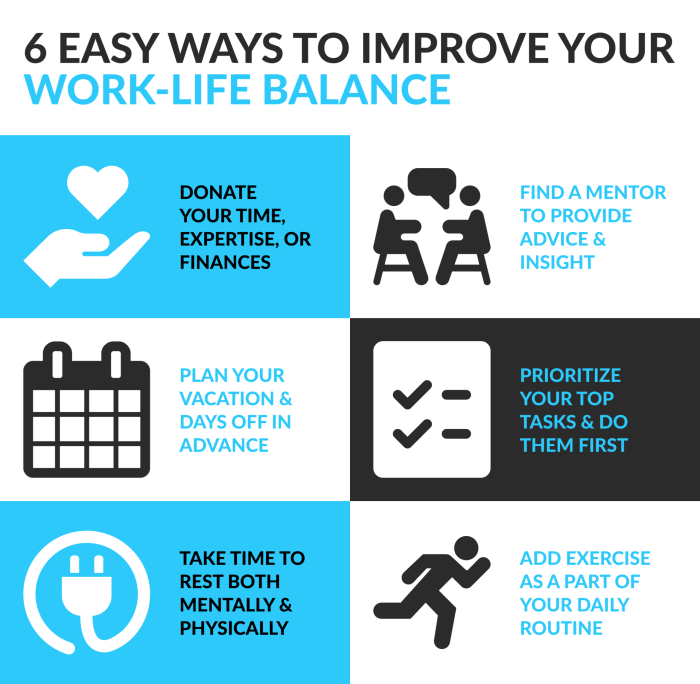
Incorporating healthy habits into a busy work schedule is essential for maintaining a balanced lifestyle. From daily exercise routines to meal planning and hydration, these habits play a crucial role in overall well-being.
Exercise
Regular exercise is key to staying active and healthy, even with a hectic work schedule. Try to fit in short workouts during breaks or before/after work. This could include brisk walks, quick bodyweight exercises, or short yoga sessions. Every little bit counts!
Meal Planning
Meal planning and preparation can make a huge difference in maintaining a healthy diet. Dedicate time each week to plan your meals, create a grocery list, and prep ingredients in advance. This will help you make healthier choices and avoid the temptation of fast food or unhealthy snacks.
Hydration
Staying hydrated throughout the day is crucial for overall health and productivity. Keep a water bottle at your desk and make a conscious effort to drink water regularly. Dehydration can lead to fatigue and decreased focus, so make it a priority to stay hydrated.
Sleep
Getting enough sleep is vital for your physical and mental well-being, even with a busy schedule. Establish a bedtime routine, avoid screens before bed, and create a relaxing sleep environment. Prioritize quality sleep to ensure you wake up feeling refreshed and ready to take on the day.
Emotional Wellbeing
Taking care of your emotional wellbeing is crucial for maintaining a healthy balance between work and personal life. It involves practices such as taking breaks, practicing mindfulness, managing stress effectively, and setting boundaries to prevent burnout.
The Significance of Taking Breaks and Practicing Mindfulness at Work
Taking short breaks throughout the workday can help improve focus, productivity, and overall mental well-being. Incorporating mindfulness practices, such as deep breathing exercises or meditation, can reduce stress and enhance emotional resilience in demanding work environments.
Impact of Stress on Overall Health and Ways to Manage Stress Effectively
Stress can have detrimental effects on both physical and mental health, leading to issues like high blood pressure, anxiety, and depression. To manage stress effectively, it is important to engage in activities like exercise, relaxation techniques, seeking support from friends or professionals, and practicing time management skills.
Techniques for Setting Boundaries Between Work and Personal Life to Reduce Burnout
Establishing clear boundaries between work and personal life is essential for preventing burnout and maintaining emotional well-being. This can involve creating designated workspaces, setting specific work hours, and learning to say no to additional work tasks when needed.
Connection Between Emotional Wellbeing and Physical Health
Emotional well-being is closely linked to physical health, as chronic stress and emotional distress can weaken the immune system, increase inflammation in the body, and contribute to the development of various health conditions. Taking care of your emotional well-being through self-care practices, social connections, and stress management can positively impact your overall health and well-being.
Healthy Aging: How To Balance An Active Lifestyle With Work
Regular exercise plays a crucial role in promoting healthy aging by helping to maintain muscle mass, bone density, and overall physical function. It can also reduce the risk of chronic diseases such as heart disease, diabetes, and osteoporosis.
Incorporating Anti-Inflammatory Foods
Incorporating anti-inflammatory foods into the diet can help reduce inflammation in the body, which is linked to aging and age-related diseases. Foods such as berries, fatty fish, nuts, and leafy greens are rich in antioxidants and anti-inflammatory compounds that can support longevity and overall health.
Maintaining Social Connections
Maintaining social connections is essential for mental health as we age. Strong social networks can provide emotional support, reduce feelings of loneliness, and promote cognitive function. Engaging in social activities, joining clubs or groups, and staying connected with friends and family can help combat feelings of isolation and improve overall well-being.
Adapting Fitness Routines
As we get older, it’s important to adapt fitness routines to accommodate changes in our bodies. This may involve incorporating low-impact exercises such as swimming or yoga, focusing on flexibility and balance training, and listening to your body to prevent injuries. Consulting with a healthcare provider or a fitness professional can help tailor a fitness routine that suits your individual needs and abilities.
Active Lifestyle
How to balance an active lifestyle with work – Having an active lifestyle is essential for maintaining good physical and mental health. It is important to find ways to incorporate physical activity into your daily routines to stay active.
Incorporating Physical Activity
One way to incorporate physical activity into your daily routine is by taking the stairs instead of the elevator, or parking farther away from your destination to get in some extra steps. Setting aside time for a daily walk or jog can also help you stay active.
Benefits of Outdoor Activities
- Outdoor activities such as hiking, biking, or playing sports not only provide physical exercise but also allow you to connect with nature and reduce stress levels.
- Exposure to sunlight can boost your mood and vitamin D levels, which is essential for overall wellbeing.
Fun Workouts for Home or Office
- Try bodyweight exercises like squats, lunges, and push-ups that can be done in the comfort of your own home or office.
- Engage in high-intensity interval training (HIIT) workouts that are quick, effective, and can be tailored to your fitness level.
Setting Realistic Fitness Goals
It is important to set realistic fitness goals that are achievable and sustainable. Start with small goals and gradually increase the intensity or duration of your workouts as you progress. Remember to listen to your body and make adjustments as needed to maintain an active lifestyle.
Cardiovascular Health
Regular physical activity plays a crucial role in maintaining a healthy heart. Exercise helps improve blood circulation, lower blood pressure, and reduce the risk of heart disease. In addition to staying active, incorporating heart-healthy foods into your diet and regularly monitoring your cardiovascular health are essential for overall well-being.
Exercise and Heart Health
Regular exercise, such as aerobic activities like walking, running, swimming, or cycling, can strengthen the heart muscle, improve circulation, and lower cholesterol levels. Aim for at least 150 minutes of moderate-intensity exercise each week to promote cardiovascular health.
Heart-Healthy Foods
Incorporating a diet rich in fruits, vegetables, whole grains, lean proteins, and healthy fats can help support heart health. Foods high in omega-3 fatty acids, such as fish, nuts, and seeds, can help reduce inflammation and lower the risk of heart disease.
Regular Health Check-ups
Regular health check-ups are essential for monitoring blood pressure, cholesterol levels, and overall cardiovascular health. Routine screenings can help detect any potential issues early on and allow for timely interventions to prevent heart disease.
Reducing Risk Factors
To reduce the risk of heart disease, it’s important to maintain a healthy weight, avoid smoking, limit alcohol consumption, manage stress levels, and get an adequate amount of sleep. Making small lifestyle changes can significantly impact your heart health and overall well-being.
Healthy Recipes

In today’s fast-paced world, finding time to prepare healthy meals can be a challenge. However, with the right recipes and meal prepping techniques, maintaining a nutritious diet is more achievable than you might think.
When it comes to balancing an active lifestyle with work, having simple and nutritious recipes on hand can make a world of difference. By planning ahead and batch cooking, you can ensure that you always have healthy options available, even on your busiest days.
Quick and Nutritious Breakfast Smoothie
- 1 cup of spinach
- 1/2 banana
- 1/4 cup of oats
- 1 tablespoon of almond butter
- 1 cup of almond milk
Protein-Packed Quinoa Salad
- 1 cup of cooked quinoa
- Cherry tomatoes, cucumbers, and bell peppers
- Chickpeas or grilled chicken for protein
- Feta cheese or avocado for added flavor
- Dressing: olive oil, lemon juice, salt, and pepper
Energy-Boosting Snack Ideas
- Handful of mixed nuts and seeds
- Sliced apple with almond butter
- Greek yogurt with berries
- Rice cakes with hummus
Mental Resilience
Building mental resilience is crucial in facing challenges at work. It involves developing the ability to bounce back from setbacks, stay focused under pressure, and maintain a positive outlook even in difficult situations. Practicing gratitude, positive thinking, and self-care are essential components in fostering mental resilience.
Practicing Gratitude and Positive Thinking
Practicing gratitude involves acknowledging and appreciating the good things in your life, no matter how small. This can help shift your focus from negative to positive thoughts, improving your overall outlook. Positive thinking, on the other hand, involves reframing negative situations in a more optimistic light, which can help reduce stress and increase resilience.
Developing a Growth Mindset
Embracing a growth mindset means viewing challenges as opportunities for growth and learning. Instead of seeing obstacles as roadblocks, individuals with a growth mindset see them as chances to improve and develop new skills. This shift in perspective can help build resilience and increase overall motivation.
Importance of Self-Care Practices
Self-care practices are essential for maintaining mental wellbeing and building resilience. Taking time to rest, relax, and engage in activities that bring you joy can help recharge your mental batteries and better equip you to handle challenges at work. Prioritizing self-care is not selfish; it is necessary for overall mental health.
Immune Support
Having a strong immune system is essential for overall health and well-being. A healthy lifestyle plays a crucial role in supporting and boosting the immune system.
Exercise and Immunity
Regular exercise is known to have a positive impact on the immune system. Physical activity helps to flush bacteria out of the lungs and airways, increases circulation of white blood cells, and promotes the release of endorphins, which can help reduce stress levels and boost immunity.
Immune-Boosting Foods and Supplements
Eating a balanced diet rich in fruits, vegetables, whole grains, and lean proteins provides essential vitamins and minerals that support immune function. Some specific foods and supplements known for their immune-boosting properties include:
- Citrus fruits high in Vitamin C
- Garlic, known for its antimicrobial properties
- Yogurt with live cultures for gut health
- Turmeric with anti-inflammatory benefits
- Zinc supplements to support immune function
Hygiene Habits for Immune Health
Maintaining good hygiene habits is crucial for preventing illness and supporting a healthy immune system. Some tips to keep in mind include:
- Washing hands frequently with soap and water
- Avoiding touching face, especially eyes, nose, and mouth
- Covering mouth and nose when sneezing or coughing
- Cleaning and disinfecting frequently-touched surfaces
- Getting enough sleep to support immune function
Stress Relief
Managing stress is crucial for maintaining a healthy balance between your active lifestyle and work responsibilities. Here are some effective strategies to help you relieve stress and improve your overall well-being.
Relaxation Techniques, How to balance an active lifestyle with work
- Practice deep breathing exercises: Take slow, deep breaths to calm your mind and body.
- Try meditation: Set aside a few minutes each day to meditate and focus on the present moment.
Benefits of Hobbies and Activities
- Engage in hobbies you enjoy: Whether it’s painting, gardening, or playing a musical instrument, hobbies can help you relax and unwind.
- Physical activities: Exercise releases endorphins that can uplift your mood and reduce stress levels.
Tips for Time Management
- Prioritize tasks: Create a to-do list and focus on completing important tasks first.
- Avoid multitasking: Concentrate on one task at a time to reduce feelings of overwhelm.
Seeking Support
- Reach out to friends and family: Talking to loved ones can provide emotional support during challenging times.
- Consider professional help: If stress becomes overwhelming, don’t hesitate to seek guidance from a therapist or counselor.
Nutritional Balance
Maintaining a well-rounded diet is crucial for overall health and well-being. A balanced diet provides the necessary nutrients to support bodily functions, promote energy levels, and prevent chronic diseases.
Importance of Macronutrients and Micronutrients
- Macronutrients, such as carbohydrates, proteins, and fats, are essential for providing energy and building blocks for the body.
- Micronutrients, including vitamins and minerals, are important for various physiological processes, such as immune function, bone health, and metabolism.
- Consuming a variety of foods rich in macronutrients and micronutrients ensures that your body receives all the essential nutrients it needs to function optimally.
Creating Balanced Meals
- Include a source of lean protein, such as poultry, fish, tofu, or legumes, in every meal to support muscle growth and repair.
- Incorporate whole grains like quinoa, brown rice, or whole wheat bread to provide complex carbohydrates for sustained energy.
- Add a variety of colorful fruits and vegetables to your plate to boost your intake of vitamins, minerals, and antioxidants.
- Include healthy fats from sources like avocados, nuts, seeds, and olive oil to support brain health and nutrient absorption.
Intuitive Eating
- Practice intuitive eating by listening to your body’s hunger and fullness cues to guide your meal choices and portion sizes.
- Avoid restrictive diets and instead focus on nourishing your body with a variety of foods that make you feel satisfied and energized.
- Pay attention to how different foods make you feel and adjust your intake based on what makes you feel your best.
Essential Questionnaire
How can I make time for exercise with a busy work schedule?
Try incorporating short bursts of physical activity throughout your day, such as taking the stairs or going for a brisk walk during lunch breaks.
What are some ways to reduce stress levels while balancing work and personal life?
Practicing mindfulness, setting boundaries, and engaging in stress-relieving activities like yoga or meditation can help manage stress effectively.
Is it necessary to follow a strict diet to maintain an active lifestyle?
While a balanced diet is important, it’s also crucial to listen to your body’s needs and make healthy choices without feeling restricted.
How can I ensure I get enough sleep despite a hectic lifestyle?
Establish a bedtime routine, create a sleep-conducive environment, and prioritize quality rest to improve your overall well-being.


More Stories
Daily habits for immune support: Boosting health through simple routines and choices
Exercises to improve mental resilience
Monitoring blood pressure for heart health: Importance, Habits, and Tips