Healthy Habits
Maintaining healthy habits is crucial for managing cholesterol levels and promoting heart health. By incorporating simple daily practices, such as regular exercise and a fiber-rich diet, you can take proactive steps towards lowering cholesterol and reducing the risk of heart disease.
Regular Exercise
Regular physical activity plays a significant role in managing cholesterol levels. Aim for at least 30 minutes of moderate exercise most days of the week. This can include activities like brisk walking, jogging, cycling, or swimming. Exercise helps raise HDL (good) cholesterol and lower LDL (bad) cholesterol, contributing to a healthier heart.
Incorporating Fiber-Rich Foods
Adding more fiber-rich foods to your diet can help lower cholesterol and improve heart health. Include sources of soluble fiber, such as oats, beans, fruits, and vegetables, in your meals. Soluble fiber helps reduce LDL cholesterol levels by binding to cholesterol and removing it from the body. Aim to include these foods in your daily diet to support a healthy heart.
Emotional Wellbeing
Stress can have a significant impact on cholesterol levels and overall heart health. When a person is under stress, the body releases hormones like cortisol, which can lead to an increase in cholesterol production. This can raise the levels of LDL (bad) cholesterol and lower the levels of HDL (good) cholesterol, increasing the risk of heart disease.
Effective Stress-Relief Techniques
- Exercise: Physical activity can help reduce stress and improve cholesterol levels. Aim for at least 30 minutes of moderate exercise most days of the week.
- Meditation: Practicing mindfulness meditation can help calm the mind and reduce stress levels, which can have a positive impact on cholesterol.
- Deep Breathing: Taking slow, deep breaths can trigger the body’s relaxation response, lowering stress hormones and potentially improving cholesterol levels.
- Yoga: The combination of physical postures, breathing exercises, and meditation in yoga can help reduce stress and promote heart health.
Connection Between Emotional Wellbeing and Heart Health
Stress and emotional wellbeing are closely linked to heart health. Chronic stress can contribute to the development of heart disease by affecting cholesterol levels, blood pressure, and overall cardiovascular function. Taking steps to manage stress and improve emotional wellbeing not only benefits mental health but also plays a crucial role in maintaining a healthy heart.
Healthy Aging
How to lower cholesterol for heart health – As we age, managing cholesterol becomes increasingly important for maintaining heart health and overall well-being. High cholesterol levels can contribute to various age-related health issues, making it crucial to adopt healthy habits to lower cholesterol levels.
Role of Cholesterol Management in Healthy Aging
Effective management of cholesterol plays a significant role in promoting healthy aging. By keeping cholesterol levels in check, individuals can reduce the risk of developing cardiovascular diseases and other health complications commonly associated with aging.
- Monitor cholesterol levels regularly to track any changes and take necessary steps to address high cholesterol.
- Follow a balanced diet rich in fruits, vegetables, whole grains, and lean proteins to support heart health and lower cholesterol.
- Engage in regular physical activity to maintain a healthy weight and improve cholesterol levels.
- Avoid smoking and limit alcohol consumption to reduce the risk of heart-related issues.
Active Lifestyle
An active lifestyle plays a crucial role in reducing cholesterol levels and improving heart health. Regular physical activity can help lower bad cholesterol (LDL) while increasing good cholesterol (HDL), leading to a healthier cardiovascular system.
Cardiovascular Exercises, How to lower cholesterol for heart health
- Running or jogging: These high-intensity workouts help burn calories and strengthen the heart muscle.
- Swimming: An excellent full-body workout that is gentle on the joints and boosts cardiovascular health.
- Cycling: Riding a bike is a low-impact exercise that improves endurance and promotes heart function.
- Aerobics: Engaging in aerobic exercises like dancing or kickboxing can enhance heart health and cholesterol management.
Correlation between Physical Activity and Cholesterol
Regular physical activity not only helps in reducing LDL cholesterol levels but also aids in weight management, which is essential for overall heart health. Exercise increases blood circulation, strengthens the heart, and improves the efficiency of the cardiovascular system, contributing to better cholesterol balance. It is recommended to engage in at least 150 minutes of moderate-intensity exercise per week to reap the benefits of an active lifestyle on cholesterol management.
Cardiovascular Health
Maintaining healthy cholesterol levels is crucial for overall heart health. Let’s dive into the relationship between cholesterol levels and cardiovascular health, the role of cholesterol in heart disease, and how healthy cholesterol levels can improve heart health.
Cholesterol Levels and Cardiovascular Health
Cholesterol is a waxy substance found in the blood. High levels of LDL (low-density lipoprotein) cholesterol, often referred to as “bad” cholesterol, can lead to plaque buildup in the arteries, increasing the risk of heart disease and stroke. On the other hand, HDL (high-density lipoprotein) cholesterol, known as “good” cholesterol, helps remove LDL cholesterol from the arteries, reducing the risk of cardiovascular issues.
Role of Cholesterol in Heart Disease
When LDL cholesterol levels are high, it can lead to atherosclerosis, a condition where plaque builds up inside the arteries, narrowing them and reducing blood flow to the heart. This can result in chest pain (angina), heart attacks, or strokes. Managing cholesterol levels through a healthy diet, regular exercise, and medication if necessary, can help prevent or slow down the progression of heart disease.
Maintaining Healthy Cholesterol Levels for Heart Health
To improve overall heart health, it’s essential to maintain a balance between LDL and HDL cholesterol levels. This can be achieved through a diet rich in fruits, vegetables, whole grains, and lean proteins, while limiting saturated fats, trans fats, and cholesterol. Regular physical activity, maintaining a healthy weight, and avoiding smoking can also contribute to healthy cholesterol levels and better cardiovascular health.
Healthy Recipes
When it comes to managing cholesterol levels, incorporating heart-healthy recipes into your diet is essential. These recipes can help lower cholesterol and promote overall heart health.
Avocado and Salmon Salad
- Grilled salmon fillet
- Sliced avocado
- Cherry tomatoes
- Mixed greens
- Olive oil and lemon dressing
Oatmeal with Berries and Nuts
- Steel-cut oats
- Blueberries, raspberries, or strawberries
- Walnuts or almonds
- Cinnamon and honey for flavor
Grilled Chicken with Quinoa and Roasted Vegetables
- Grilled chicken breast
- Cooked quinoa
- Roasted bell peppers, zucchini, and sweet potatoes
- Herbs and spices for seasoning
Mental Resilience
Mental resilience plays a crucial role in maintaining overall health, including cholesterol and heart health. It refers to the ability to adapt to stress, adversity, and challenges, which can have a direct impact on our physical well-being.
Positive Mindset and Cholesterol Management
Maintaining a positive mindset can lead to better cholesterol management. Studies have shown that individuals with a more optimistic outlook tend to have lower levels of LDL (bad) cholesterol and higher levels of HDL (good) cholesterol. This can help reduce the risk of heart disease and other cardiovascular issues.
- Practice Gratitude: Cultivating a sense of gratitude can help shift your focus towards positive aspects of life, reducing stress and promoting heart health.
- Stay Active: Regular exercise releases endorphins, which can improve mood and overall mental resilience, indirectly benefiting cholesterol levels.
- Mindfulness and Meditation: These practices can help reduce stress, lower blood pressure, and improve cholesterol profiles, contributing to better heart health.
- Seek Support: Building a strong support network can help you cope with challenges and stress, promoting mental resilience and better cholesterol management.
Immune Support
Having a strong immune system is crucial for overall health, including heart health. Let’s explore how immune function is related to cholesterol levels and how boosting immunity can support better cholesterol management.
Connection between Immune Function and Cholesterol Levels
Research has shown that there is a complex interplay between immune function and cholesterol levels in the body. High cholesterol levels can lead to inflammation and oxidative stress, which can weaken the immune system over time. On the other hand, a compromised immune system may struggle to regulate cholesterol levels effectively, leading to a vicious cycle of health issues.
Benefits of a Strong Immune System for Heart Health
- Reduced risk of inflammation: A robust immune system can help reduce inflammation in the arteries, lowering the risk of heart disease.
- Improved response to infections: A healthy immune system can better fight off infections that may indirectly impact heart health.
- Enhanced overall well-being: By supporting immune function, you are also supporting your heart and overall health.
Tips for Boosting Immunity to Support Cholesterol Management
- Eat a balanced diet rich in fruits, vegetables, whole grains, and lean proteins to provide essential nutrients for immune function.
- Stay physically active to boost circulation and support immune cell function.
- Get an adequate amount of sleep each night to allow your body to rest and repair, crucial for immune health.
- Manage stress through relaxation techniques like yoga, meditation, or deep breathing exercises to reduce the impact of stress on immune function.
- Consider immune-boosting supplements like vitamin C, vitamin D, and zinc, under the guidance of a healthcare professional.
Stress Relief: How To Lower Cholesterol For Heart Health
Stress can have a significant impact on heart health and cholesterol levels. Finding effective stress-relief techniques is crucial for overall well-being. Here, we will explore various methods to manage stress and improve heart health.
Impact of Stress on Heart Health and Cholesterol Levels
Stress can lead to the release of hormones like cortisol, which may increase cholesterol levels in the blood. Chronic stress can also contribute to inflammation and damage to the arteries, raising the risk of heart disease. It is essential to address stress to maintain a healthy heart and manage cholesterol effectively.
- Practice deep breathing exercises: Deep breathing can help calm the mind and reduce stress levels. Try taking slow, deep breaths for a few minutes whenever you feel overwhelmed.
- Engage in regular physical activity: Exercise is a great way to combat stress and improve heart health. Aim for at least 30 minutes of moderate exercise most days of the week.
- Try mindfulness meditation: Mindfulness practices can help increase awareness of the present moment and reduce stress. Consider incorporating meditation into your daily routine.
- Spend time in nature: Connecting with nature can have a calming effect on the mind and body. Take a walk in the park or spend time outdoors to alleviate stress.
Mindfulness Practices for Stress Relief and Heart Health
Mindfulness involves focusing on the present moment without judgment, which can help reduce stress and promote heart health.
“Mindfulness is the awareness that arises from paying attention, on purpose, in the present moment and non-judgmentally.” – Jon Kabat-Zinn
- Practice mindful breathing: Take a few moments each day to focus on your breath. Notice the sensation of each inhale and exhale to bring your attention to the present moment.
- Body scan meditation: This practice involves mentally scanning your body for any areas of tension or discomfort. By bringing awareness to these sensations, you can release physical and emotional stress.
- Gratitude journaling: Reflect on things you are grateful for each day. Cultivating a sense of gratitude can shift your focus away from stressors and promote a positive outlook on life.
- Yoga: Yoga combines physical postures, breathwork, and meditation to promote relaxation and reduce stress. Regular practice can benefit both mental and physical well-being.
Nutritional Balance
Maintaining a balanced diet is crucial for optimal cholesterol levels and overall heart health. By incorporating the right foods and practicing portion control, you can effectively manage your cholesterol levels and reduce the risk of heart disease.
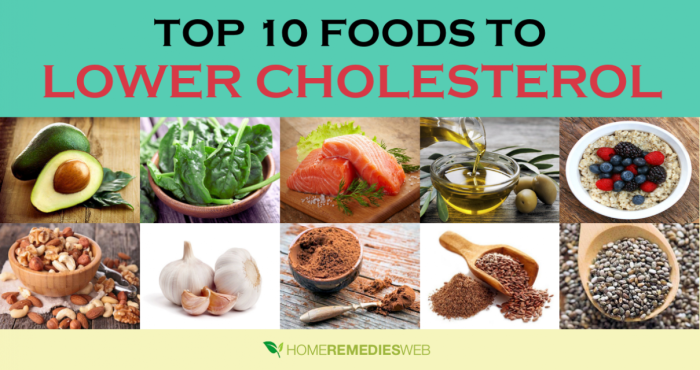
Examples of Heart-Healthy Foods
- Include plenty of fruits and vegetables in your diet, as they are rich in fiber, vitamins, and antioxidants.
- Opt for whole grains like oats, quinoa, and brown rice, which can help lower bad cholesterol levels.
- Incorporate sources of healthy fats such as avocados, nuts, and olive oil, which can raise good cholesterol levels.
- Eat fatty fish like salmon, mackerel, and sardines, which are high in omega-3 fatty acids that are beneficial for heart health.
Tips for Portion Control and Mindful Eating
- Avoid oversized portions by using smaller plates and bowls to help control how much you eat.
- Listen to your body’s hunger and fullness cues to avoid overeating.
- Eat slowly and savor each bite, paying attention to flavors and textures, which can help prevent mindless eating.
- Avoid distractions while eating, such as watching TV or working, to focus on your meal and prevent overeating.
Commonly Asked Questions
Can genetics play a role in cholesterol levels?
Yes, genetics can influence cholesterol levels, but lifestyle modifications like diet and exercise can still make a significant impact.
Is it necessary to completely eliminate all fats from the diet to lower cholesterol?
No, it’s important to focus on consuming healthy fats in moderation while reducing saturated and trans fats for better heart health.
How often should one engage in cardiovascular exercises to improve heart health?
It’s recommended to aim for at least 150 minutes of moderate-intensity aerobic exercise per week for cardiovascular benefits.
Are there specific foods that can actively help in lowering cholesterol levels?
Yes, foods like oats, nuts, olive oil, and fatty fish are known to have cholesterol-lowering properties and can be beneficial when included in a balanced diet.
Can stress management techniques really impact cholesterol levels?
Absolutely, stress-relief practices like meditation, yoga, and deep breathing exercises can help lower stress levels, which in turn may positively influence cholesterol levels.


More Stories
Daily habits for immune support: Boosting health through simple routines and choices
Exercises to improve mental resilience
Monitoring blood pressure for heart health: Importance, Habits, and Tips