Healthy Habits
Establishing a routine is crucial for mental resilience as it provides structure and stability, helping individuals cope better with stress and challenges. Consistency in daily habits plays a significant role in maintaining mental well-being.
Examples of Daily Habits
- Practice mindfulness or meditation to reduce anxiety and improve focus.
- Engage in regular physical exercise to boost mood and reduce symptoms of depression.
- Connect with others through social interactions to build a support network and foster a sense of belonging.
- Set aside time for hobbies or activities that bring joy and relaxation.
Impact of Good Sleep Quality
Getting sufficient and quality sleep is essential for mental resilience. Adequate rest allows the brain to process information, regulate emotions, and recharge for the next day. Poor sleep can lead to irritability, cognitive impairment, and increased stress levels.
Significance of Staying Hydrated
Hydration is key to maintaining optimal brain function and mental clarity.
Dehydration can affect cognitive abilities, mood, and overall well-being. By staying hydrated, individuals can improve focus, concentration, and overall cognitive performance.
Emotional Wellbeing
Emotional wellbeing is a crucial aspect of mental resilience as it involves managing and understanding our emotions effectively. By mastering our emotions, we can navigate through life’s challenges with greater ease and maintain a positive outlook.
Role of Positive Relationships
Positive relationships play a significant role in building emotional resilience. When we have a strong support system of friends, family, or colleagues, we are better equipped to handle stress and adversity. These relationships provide comfort, encouragement, and a sense of belonging, which are essential for our emotional wellbeing.
- Cultivate meaningful connections: Nurture relationships with people who uplift and support you. Surround yourself with individuals who bring positivity into your life.
- Communicate openly: Share your thoughts and feelings with trusted individuals. Expressing yourself can help alleviate stress and anxiety.
- Show empathy: Practice empathy towards others and yourself. Understanding and compassion can strengthen relationships and enhance emotional resilience.
- Set boundaries: Establish healthy boundaries in relationships to protect your emotional wellbeing. Learn to say no when necessary and prioritize self-care.
Strategies for Coping with Stress and Anxiety
Stress and anxiety are common challenges that can impact our emotional wellbeing. It is essential to have effective coping strategies in place to manage these emotions and build resilience.
- Practice relaxation techniques: Engage in activities like deep breathing, meditation, or yoga to calm your mind and body.
- Stay active: Regular exercise can help reduce stress and improve your mood. Physical activity releases endorphins, which are natural mood boosters.
- Seek support: Reach out to a therapist, counselor, or support group for professional help in managing stress and anxiety.
- Focus on the present: Practice mindfulness by paying attention to the present moment without judgment. Mindfulness can help reduce worry and enhance emotional resilience.
Benefits of Practicing Mindfulness
Mindfulness is a powerful tool for enhancing emotional wellbeing. By cultivating awareness and being present in the moment, mindfulness can help reduce stress, improve mood, and build resilience.
Practicing mindfulness can lead to greater emotional regulation and a deeper sense of inner peace.
- Enhanced self-awareness: Mindfulness allows you to observe your thoughts and emotions without reacting impulsively. This self-awareness can lead to better emotional control.
- Stress reduction: Mindfulness practices, such as meditation, can lower cortisol levels and reduce the body’s stress response.
- Improved focus: By training your mind to focus on the present moment, mindfulness can enhance concentration and cognitive function.
- Increased empathy: Mindfulness practices can foster compassion towards oneself and others, promoting positive relationships and emotional resilience.
Healthy Aging: Exercises To Improve Mental Resilience
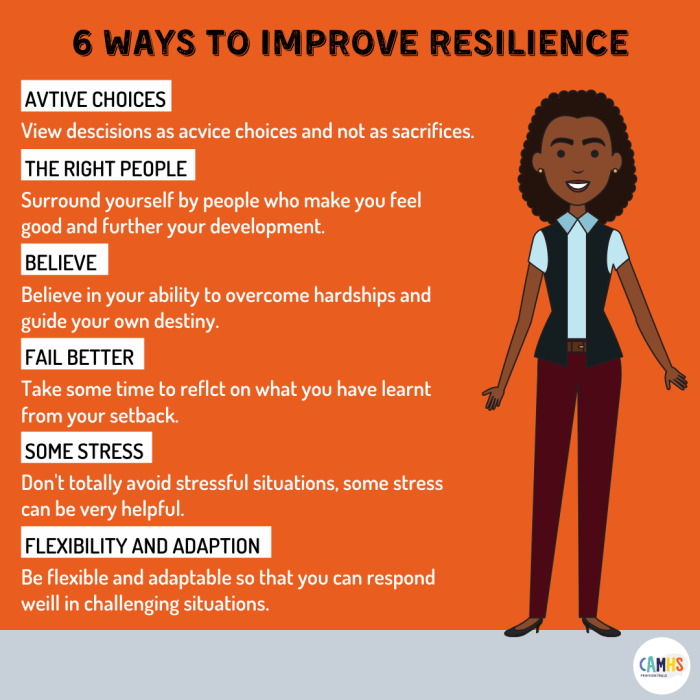
Exercises to improve mental resilience – As we age, it becomes increasingly important to focus on maintaining mental resilience to support overall health and well-being. Engaging in exercises specifically designed to improve mental resilience can play a crucial role in promoting healthy aging.
Connection between Cognitive Function and Mental Resilience
There is a strong connection between cognitive function and mental resilience in older adults. Cognitive function refers to various mental abilities such as memory, problem-solving, and decision-making. By enhancing mental resilience through exercises, older adults can improve their cognitive function and overall brain health.
Tips for Maintaining Mental Sharpness and Resilience
- Stay physically active through regular exercise routines such as walking, yoga, or swimming.
- Engage in mentally stimulating activities like puzzles, reading, or learning a new skill to keep your brain sharp.
- Get an adequate amount of sleep each night to support brain function and emotional well-being.
- Follow a balanced diet rich in fruits, vegetables, whole grains, and lean proteins to nourish your brain and body.
- Practice stress management techniques such as deep breathing, meditation, or mindfulness to build resilience against challenges.
Importance of Social Engagement for Mental Well-being in Seniors
Social engagement is vital for maintaining mental well-being in seniors as it provides opportunities for social interaction, emotional support, and cognitive stimulation. By staying connected with family, friends, and community members, older adults can combat loneliness, reduce stress, and enhance their overall quality of life.
Active Lifestyle
Regular physical activity plays a crucial role in maintaining mental resilience. Exercise has been linked to improved mood, reduced stress, and increased cognitive function, all of which contribute to overall mental well-being.
Exercises to Improve Mental Resilience
- Cardiovascular exercises like running, swimming, or cycling help increase blood flow to the brain, promoting the growth of new brain cells and enhancing cognitive function.
- Strength training exercises, such as weightlifting or bodyweight exercises, can boost confidence and self-esteem, which are essential components of mental resilience.
- Yoga and meditation help reduce stress levels, improve focus, and promote mindfulness, all of which are beneficial for mental resilience.
Benefits of Outdoor Activities for Mental Well-being
Outdoor activities offer a unique opportunity to connect with nature, which has been shown to reduce anxiety, improve mood, and enhance overall mental health. Exposure to natural light and fresh air can also boost serotonin levels, further enhancing mental well-being.
Endorphins and Mental Resilience
Engaging in physical activity triggers the release of endorphins, which are neurotransmitters known for their positive effects on mood. Endorphins act as natural painkillers and stress relievers, helping to improve resilience to challenges and setbacks in daily life.
Cardiovascular Health
Cardiovascular health plays a crucial role in enhancing mental resilience and overall well-being. By engaging in cardiovascular exercises, individuals can experience various benefits that positively impact their mental health.
Impact of Cardiovascular Exercises on Mental Resilience
Cardiovascular exercises, such as running, swimming, or cycling, can boost blood flow to the brain, promoting the growth of new blood vessels and neurons. This increased blood flow enhances cognitive function, memory, and overall mental resilience.
Link Between Heart Health and Brain Health
There is a strong connection between heart health and brain health when it comes to mental well-being. A healthy heart ensures efficient blood circulation, delivering essential nutrients and oxygen to the brain, which is vital for maintaining cognitive function and emotional resilience.
Benefits of Aerobic Exercise for Cognitive Function
Aerobic exercise, a key component of cardiovascular workouts, has been shown to improve cognitive function by stimulating the release of hormones that enhance brain health. Regular aerobic exercise can lead to better focus, memory, and overall mental resilience.
Tips for Creating a Well-Rounded Exercise Routine
- Include at least 150 minutes of moderate-intensity aerobic exercise per week, such as brisk walking or jogging.
- Incorporate strength training exercises to enhance muscle health and support cardiovascular function.
- Try different types of cardiovascular activities to keep your routine engaging and challenging.
- Consult with a fitness professional to develop a personalized exercise plan that caters to your cardiovascular health and mental resilience goals.
Healthy Recipes
Proper nutrition plays a vital role in supporting mental resilience by providing essential nutrients for brain function and overall well-being.
When it comes to enhancing cognitive function and resilience, incorporating brain-boosting foods into your diet is key. Foods rich in omega-3 fatty acids, antioxidants, vitamins, and minerals can help improve memory, focus, and mood.
Recipes for Mental Resilience:
- Blueberry Walnut Overnight Oats: A nutritious breakfast option packed with antioxidants from blueberries and brain-boosting omega-3 fatty acids from walnuts.
- Salmon Quinoa Salad: A delicious lunch option loaded with omega-3 fatty acids from salmon, protein from quinoa, and a variety of vegetables for added vitamins and minerals.
- Avocado Dark Chocolate Mousse: A guilt-free dessert rich in healthy fats from avocado and antioxidants from dark chocolate, providing a satisfying treat for both the body and mind.
Mental Resilience
Mental resilience refers to the ability to adapt and bounce back from adversity, trauma, or stress. It is crucial for overall well-being as it helps individuals navigate challenges, maintain a positive outlook, and cope effectively with life’s ups and downs.
Characteristics of Mentally Resilient Individuals
- Optimism: Mentally resilient individuals maintain a positive attitude even in difficult situations.
- Adaptability: They can adjust to change and see setbacks as opportunities for growth.
- Problem-solving skills: Resilient individuals are able to find solutions to challenges and learn from their experiences.
- Emotional regulation: They can manage their emotions and stay calm under pressure.
Strategies for Developing and Strengthening Mental Resilience
- Build a strong support system: Surround yourself with friends and family who provide encouragement and guidance.
- Practice self-care: Engage in activities that promote relaxation and stress relief, such as meditation, exercise, or hobbies.
- Set realistic goals: Break down big challenges into smaller, manageable tasks to build confidence and motivation.
- Develop problem-solving skills: Enhance your ability to think critically and find creative solutions to obstacles.
Real-Life Examples of Positive Impact of Mental Resilience
- Athletes who bounce back from injuries and setbacks to achieve success in their sport.
- Individuals who overcome personal hardships and trauma to lead fulfilling and meaningful lives.
- Entrepreneurs who persevere through setbacks and failures to build successful businesses.
Immune Support
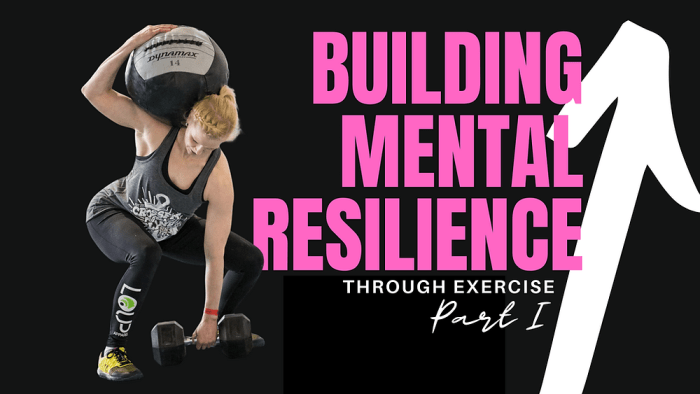
When it comes to immune support, the connection between mental resilience and immune function is crucial. The way we manage stress and maintain a positive mindset can significantly impact our body’s ability to fight off illnesses and stay healthy.
Impact of Stress on the Immune System, Exercises to improve mental resilience
Stress is known to weaken the immune system, making us more susceptible to infections and diseases. Chronic stress can lead to inflammation in the body, which can further compromise the immune response. To counteract the negative effects of stress on the immune system, it is essential to adopt healthy coping mechanisms and relaxation techniques.
Boosting Immunity through Lifestyle Practices
- Adequate sleep: Getting enough rest is essential for a strong immune system. Lack of sleep can weaken the body’s defenses.
- Healthy diet: Consuming a balanced diet rich in fruits, vegetables, and whole grains provides essential nutrients for immune function.
- Regular exercise: Physical activity not only supports mental well-being but also boosts the immune system by promoting circulation and reducing inflammation.
- Stress management: Practicing mindfulness, meditation, or yoga can help reduce stress levels and improve resilience against illnesses.
The Role of Positive Mindset
A positive mindset can have a profound impact on immune function. Research has shown that optimism and a hopeful outlook can enhance the body’s ability to fight off infections and recover more quickly from illnesses. Cultivating a positive attitude through gratitude practices and positive affirmations can strengthen the immune system.
Stress Relief
Stress management plays a crucial role in developing mental resilience as it allows individuals to cope effectively with life’s challenges and bounce back from setbacks. By reducing stress levels, individuals can improve their overall mental wellbeing and capacity to handle difficult situations.
Relaxation Techniques
- Deep breathing exercises: Practicing deep breathing can help calm the mind and body, reducing stress and promoting relaxation.
- Mindfulness meditation: Engaging in mindfulness meditation can help individuals stay present and focused, reducing anxiety and stress levels.
- Progressive muscle relaxation: This technique involves tensing and then relaxing different muscle groups to release physical tension and promote relaxation.
Benefits of Hobbies and Leisure Activities
Engaging in hobbies and leisure activities can provide a much-needed break from daily stressors and help individuals recharge. These activities can improve mood, increase creativity, and reduce stress levels, ultimately enhancing mental resilience.
Impact of Chronic Stress
Chronic stress can have detrimental effects on mental health, leading to symptoms such as anxiety, depression, and burnout. To address chronic stress effectively, individuals can benefit from seeking professional help, practicing self-care, setting boundaries, and incorporating stress-relief techniques into their daily routine.
Nutritional Balance
Maintaining a balanced diet is crucial for promoting mental resilience as it provides the necessary nutrients to support cognitive function and emotional well-being. Adequate nutrition helps in managing stress, improving mood, and enhancing overall brain health.
Role of Micronutrients
Micronutrients play a vital role in supporting cognitive function and emotional well-being. For example, omega-3 fatty acids found in fish are essential for brain health and can help reduce symptoms of depression. Additionally, antioxidants like vitamin C and E can protect brain cells from damage and improve mental clarity.
Tips for a Balanced Diet
– Include a variety of fruits, vegetables, whole grains, lean proteins, and healthy fats in your meals.
– Limit processed foods, sugary drinks, and excessive caffeine intake.
– Stay hydrated by drinking an adequate amount of water throughout the day.
– Plan your meals ahead to ensure you are getting a good balance of nutrients.
– Consider consulting a healthcare professional or dietitian for personalized guidance on your nutritional needs.
Impact of Hydration and Nutrition
Proper hydration and nutrition are essential for maintaining mental clarity and resilience. Dehydration can lead to fatigue, poor concentration, and mood swings, while a well-balanced diet provides the energy and nutrients needed for optimal brain function. Make sure to prioritize hydration and healthy eating habits to support your mental well-being.
General Inquiries
How do daily habits contribute to improving mental resilience?
Daily habits like maintaining a routine, getting good sleep, and staying hydrated can positively impact mental resilience by providing a stable foundation for emotional well-being.
What role do positive relationships play in building emotional resilience?
Positive relationships can offer support, comfort, and a sense of connection, all of which are essential for building emotional resilience and coping with stress effectively.
How can exercises for mental resilience support healthy aging?
Exercises that challenge the mind and body can help older adults maintain cognitive function, adapt to changes, and stay mentally sharp as they age.


More Stories
Daily habits for immune support: Boosting health through simple routines and choices
Monitoring blood pressure for heart health: Importance, Habits, and Tips
How to lower cholesterol for heart health: Tips and Insights for a Healthy Heart