Importance of Monitoring Blood Pressure for Heart Health
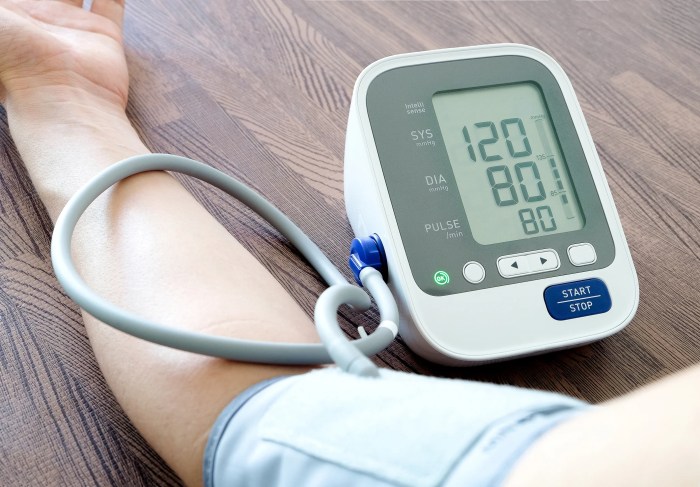
Monitoring blood pressure for heart health – Monitoring blood pressure is crucial for maintaining heart health as it provides valuable insights into the functioning of the cardiovascular system. By regularly checking blood pressure levels, individuals can proactively assess their risk of heart-related issues and take necessary steps to prevent potential complications.
Impact of High Blood Pressure on the Heart
High blood pressure, also known as hypertension, can have detrimental effects on the heart over time. The increased force exerted on the arterial walls can lead to damage and narrowing of the blood vessels, making it harder for the heart to pump blood efficiently. This can result in various heart conditions such as coronary artery disease, heart attacks, and heart failure.
Benefits of Maintaining a Healthy Blood Pressure Level
- Reduced Risk of Cardiovascular Diseases: Keeping blood pressure within a healthy range lowers the risk of developing heart diseases such as stroke, heart attack, and heart failure.
- Improved Overall Health: Maintaining optimal blood pressure levels not only benefits the heart but also contributes to better overall health and well-being.
- Enhanced Quality of Life: By managing blood pressure effectively, individuals can enjoy a higher quality of life with improved energy levels and reduced risk of complications.
Healthy Habits to Support Heart Health
Maintaining healthy habits is crucial for supporting heart health and regulating blood pressure. By incorporating daily routines that promote overall well-being, you can significantly reduce the risk of heart diseases.
Examples of Daily Habits to Regulate Blood Pressure
- Avoiding excessive salt intake: High sodium levels can increase blood pressure, so limiting salt in your diet is essential.
- Staying hydrated: Drinking an adequate amount of water helps maintain blood volume, which can help regulate blood pressure.
- Getting enough sleep: Quality sleep is crucial for overall health, including blood pressure regulation.
- Managing stress: Chronic stress can elevate blood pressure, so finding healthy ways to cope with stress is important.
Role of Regular Exercise in Maintaining a Healthy Heart
Regular physical activity plays a significant role in supporting heart health. Exercise helps strengthen the heart muscle, improve circulation, and lower blood pressure. Aim for at least 150 minutes of moderate-intensity exercise per week to keep your heart strong and healthy.
Importance of a Balanced Diet in Supporting Heart Health
- Eating plenty of fruits and vegetables: These foods are rich in vitamins, minerals, and antioxidants that support heart health.
- Incorporating whole grains: Whole grains are high in fiber, which can help lower cholesterol and regulate blood pressure.
- Choosing lean proteins: Opt for lean sources of protein like poultry, fish, and legumes to reduce saturated fat intake.
- Limiting saturated and trans fats: These fats can raise cholesterol levels and increase the risk of heart disease.
Emotional Wellbeing and Its Impact on Heart Health
Emotional wellbeing plays a crucial role in heart health as stress and negative emotions can directly impact blood pressure and overall cardiovascular health. It is essential to address emotional wellbeing to support a healthy heart.
Effect of Stress on Blood Pressure and Heart Health
Stress is known to increase blood pressure temporarily, but chronic stress can lead to long-term high blood pressure, which is a risk factor for heart disease. When under stress, the body releases hormones like adrenaline and cortisol, which can constrict blood vessels and increase heart rate, putting extra strain on the heart. Over time, this can contribute to the development of heart problems.
Strategies for Managing Stress to Support Heart Health
- Practice relaxation techniques such as deep breathing, meditation, or yoga to help reduce stress levels.
- Engage in regular physical activity, as exercise is a great way to alleviate stress and boost mood.
- Ensure you get an adequate amount of sleep each night, as lack of sleep can increase stress levels.
- Connect with loved ones and engage in activities that bring you joy and relaxation.
- Consider seeking professional help or counseling if you are struggling to manage stress on your own.
Relationship between Emotional Wellbeing and Overall Heart Health
Emotional wellbeing is closely tied to heart health, as chronic stress and negative emotions can contribute to the development of heart disease. By taking steps to manage stress, practice self-care, and prioritize mental health, individuals can support their heart health and overall wellbeing.
Promoting Healthy Aging through Blood Pressure Monitoring
Monitoring blood pressure plays a crucial role in promoting healthy aging by helping seniors maintain optimal heart health. As individuals age, the risk of developing high blood pressure increases, making it essential to detect and manage this condition early on to prevent potential complications.
Importance of Early Detection of High Blood Pressure in Aging Adults
- Early detection of high blood pressure in aging adults can help prevent heart disease, stroke, and other serious health issues.
- Regular monitoring allows healthcare providers to intervene promptly with lifestyle changes or medication to control blood pressure levels.
- Managing high blood pressure effectively can significantly reduce the risk of heart attacks and other cardiovascular events in seniors.
Tips for Seniors to Maintain Optimal Blood Pressure Levels for Heart Health
- Adopt a healthy diet rich in fruits, vegetables, whole grains, and lean proteins to support heart health.
- Engage in regular physical activity, such as walking, swimming, or yoga, to help lower blood pressure and improve overall cardiovascular fitness.
- Avoid smoking and limit alcohol consumption to reduce the risk of high blood pressure and heart disease.
- Manage stress through relaxation techniques like deep breathing, meditation, or spending time in nature to promote emotional wellbeing and heart health.
- Stay consistent with blood pressure monitoring appointments and follow healthcare provider recommendations for medication adherence and lifestyle modifications.
Maintaining an Active Lifestyle for Heart Health
Regular physical activity plays a crucial role in maintaining heart health. Exercise helps strengthen the heart muscle, improves circulation, and helps regulate blood pressure. Incorporating more movement into daily routines can have a significant impact on overall cardiovascular health.
The Connection between Physical Activity and Heart Health
Regular exercise is essential for a healthy heart. It helps reduce the risk of heart disease by improving cholesterol levels, reducing inflammation, and maintaining a healthy weight. Physical activity also helps lower blood pressure and improves overall heart function.
Examples of Exercises to Regulate Blood Pressure
- Aerobic exercises such as walking, jogging, cycling, or swimming can help lower blood pressure and improve cardiovascular fitness.
- Strength training exercises like weightlifting or bodyweight exercises help build muscle mass, which can improve metabolism and support heart health.
- Yoga and stretching exercises can help reduce stress and improve flexibility, contributing to better heart health.
Tips for Incorporating More Movement into Daily Routines
- Take short walks during breaks at work or after meals to increase physical activity throughout the day.
- Use the stairs instead of the elevator whenever possible to add more movement to your routine.
- Join group fitness classes or sports activities to make exercise more enjoyable and social.
Cardiovascular Health and Blood Pressure
Maintaining a healthy cardiovascular system is crucial for overall well-being. The relationship between blood pressure and cardiovascular health is significant, as high blood pressure can lead to a range of heart-related issues.
Role of Blood Pressure Monitoring
Regular monitoring of blood pressure is essential in preventing heart diseases. By keeping track of your blood pressure levels, you can detect any abnormalities early on and take necessary steps to manage them effectively.
- Monitoring blood pressure allows healthcare providers to identify potential risks for heart conditions such as heart attacks, strokes, and heart failure.
- Through consistent monitoring, individuals can make lifestyle changes or receive appropriate medical interventions to maintain healthy blood pressure levels.
- Tracking blood pressure trends over time helps in assessing the effectiveness of treatment plans and adjusting them as needed.
Lifestyle Choices and Cardiovascular Health
The lifestyle choices we make have a direct impact on our cardiovascular health. Adopting healthy habits can significantly reduce the risk of heart diseases and improve overall well-being.
- A balanced diet low in saturated fats, cholesterol, and sodium can help maintain healthy blood pressure levels.
- Regular physical activity strengthens the heart muscle, improves circulation, and helps control blood pressure.
- Avoiding tobacco and excessive alcohol consumption can lower the risk of developing heart-related conditions.
Healthy Recipes for Heart Health
Eating a heart-healthy diet is essential for maintaining optimal blood pressure levels and overall heart health. Incorporating nutritious recipes into your daily meals can significantly impact your well-being. Here are some delicious and heart-friendly recipes to help regulate blood pressure and support cardiovascular health.
Recipe 1: Grilled Salmon with Lemon and Herbs
Salmon is a rich source of omega-3 fatty acids, which are known to support heart health. This recipe combines the flavors of lemon and herbs to create a tasty and nutritious dish.
- Ingredients:
- 4 salmon fillets
- 1 lemon, sliced
- Fresh herbs (such as dill, parsley, or thyme)
- Olive oil
- Salt and pepper to taste
- Instructions:
- Preheat grill to medium-high heat.
- Brush salmon fillets with olive oil and season with salt and pepper.
- Place lemon slices and fresh herbs on top of each fillet.
- Grill for about 4-5 minutes per side, or until salmon is cooked through.
- Serve hot and enjoy!
Recipe 2: Quinoa and Black Bean Salad
This colorful and nutrient-packed salad is a great addition to any heart-healthy meal plan. Quinoa and black beans provide a good source of fiber and protein, while vegetables add vitamins and minerals.
- Ingredients:
- 1 cup quinoa, cooked
- 1 can black beans, rinsed and drained
- 1 red bell pepper, diced
- 1/2 red onion, finely chopped
- 1/4 cup fresh cilantro, chopped
- Juice of 1 lime
- Salt and pepper to taste
- Instructions:
- In a large bowl, combine quinoa, black beans, bell pepper, onion, and cilantro.
- Add lime juice, salt, and pepper to taste, and toss to combine.
- Refrigerate for at least 30 minutes before serving to allow flavors to meld.
- Enjoy this refreshing and nutritious salad as a side dish or main meal!
Building Mental Resilience for Heart Health
Building mental resilience is crucial for maintaining heart health, as the mind and body are interconnected. A positive mindset can have a significant impact on overall wellbeing, including heart health. Here, we will explore the connection between mental resilience and heart health, strategies for enhancing mental resilience, and the impact of a positive mindset on maintaining a healthy heart.
Strategies for Enhancing Mental Resilience
Enhancing mental resilience involves adopting various strategies to cope with stress and challenges effectively. Here are some ways to boost your mental resilience:
- Practice mindfulness and meditation to reduce stress and promote relaxation.
- Engage in regular physical activity to improve mood and overall mental well-being.
- Cultivate a strong support system of friends and family to provide emotional support during difficult times.
- Develop healthy coping mechanisms such as journaling, deep breathing exercises, or seeking professional help when needed.
- Focus on positive thinking and gratitude to shift your mindset towards a more optimistic outlook.
Impact of a Positive Mindset on Heart Health
A positive mindset can have a profound impact on heart health by reducing stress levels, lowering blood pressure, and improving overall cardiovascular function. Studies have shown that individuals with a positive outlook on life are less likely to develop heart disease and are better equipped to manage existing heart conditions.
Immune Support and Heart Health
Having a strong immune system is crucial for maintaining heart health. The immune system plays a key role in protecting the heart from infections, inflammation, and other issues that can impact its function.
Nutrition for Immune Function and Heart Health
Nutrition plays a vital role in supporting immune function for overall heart health. A diet rich in fruits, vegetables, whole grains, lean proteins, and healthy fats can provide the necessary nutrients to keep the immune system strong and functioning optimally.
- Aim to incorporate a variety of colorful fruits and vegetables into your daily meals to ensure you are getting a wide range of vitamins, minerals, and antioxidants that support immune health.
- Include sources of lean protein such as poultry, fish, beans, and nuts to help build and repair tissues, including those in the immune system.
- Omega-3 fatty acids found in fatty fish like salmon and mackerel, as well as in walnuts and flaxseeds, can help reduce inflammation and support immune function.
- Probiotic-rich foods like yogurt, kefir, and sauerkraut can promote a healthy gut microbiome, which is essential for a strong immune system.
Tips for Boosting Immunity for Heart Health
Boosting immunity is key to protecting heart health and overall well-being. Here are some tips to help strengthen your immune system:
- Stay hydrated by drinking plenty of water throughout the day to support immune function and overall health.
- Get regular exercise to improve circulation, reduce inflammation, and support immune health.
- Manage stress through activities like meditation, yoga, deep breathing exercises, or spending time in nature to reduce the impact of stress on the immune system.
- Get an adequate amount of sleep each night to allow your body to rest and repair, supporting immune function.
- Avoid smoking and limit alcohol consumption, as these can weaken the immune system and negatively impact heart health.
Stress Relief Techniques for Maintaining Healthy Blood Pressure: Monitoring Blood Pressure For Heart Health
Stress is a common factor that can significantly impact blood pressure levels and overall heart health. Implementing stress relief techniques can help regulate blood pressure and promote a healthier cardiovascular system.
Mindfulness Meditation, Monitoring blood pressure for heart health
- One effective stress-relief technique is mindfulness meditation, which involves focusing on the present moment and practicing deep breathing exercises. This can help reduce stress levels and lower blood pressure.
- Regular practice of mindfulness meditation has been shown to improve heart health and promote overall well-being.
Physical Activity
- Engaging in physical activity such as yoga, walking, or swimming can help reduce stress and promote relaxation.
- Regular exercise releases endorphins, which are natural mood lifters that can help combat stress and lower blood pressure.
Deep Breathing Exercises
- Deep breathing exercises can help calm the mind and body, reducing stress and promoting healthy blood pressure levels.
- Practice deep breathing by inhaling deeply through your nose, holding for a few seconds, and exhaling slowly through your mouth.
Achieving Nutritional Balance for Heart Health
Maintaining a balanced diet is crucial for optimal heart health as it can help regulate blood pressure levels and reduce the risk of cardiovascular diseases. A diet rich in nutrients and low in unhealthy fats and sodium can significantly impact heart health positively.
Impact of Sodium, Potassium, and Other Nutrients on Heart Health
- Avoiding high sodium intake is essential as it can lead to high blood pressure, increasing the risk of heart disease. Opt for fresh foods over processed ones to reduce sodium consumption.
- On the other hand, potassium plays a vital role in regulating blood pressure. Incorporate potassium-rich foods such as bananas, sweet potatoes, and spinach into your diet to support heart health.
- Other nutrients like magnesium, fiber, and antioxidants also contribute to a healthy heart. Foods like nuts, whole grains, fruits, and vegetables are excellent sources of these nutrients.
Tips for Achieving Nutritional Balance to Support Heart Health
- Focus on a variety of fruits, vegetables, whole grains, lean proteins, and healthy fats in your diet to ensure you are getting a wide range of nutrients.
- Limit your intake of saturated and trans fats found in fried foods, processed snacks, and fatty cuts of meat to reduce the risk of heart disease.
- Read food labels carefully to monitor sodium content and choose low-sodium options whenever possible.
- Avoid sugary beverages and opt for water, herbal teas, or freshly squeezed juices to stay hydrated and support overall heart health.
FAQ Overview
How often should I monitor my blood pressure for heart health?
It is recommended to monitor your blood pressure at least once a day or as advised by your healthcare provider, especially if you have existing heart conditions or risk factors.
Can stress really impact my blood pressure and heart health?
Yes, stress can lead to temporary spikes in blood pressure and over time contribute to heart problems. Managing stress through relaxation techniques and lifestyle changes is crucial for heart health.
What are some heart-healthy recipes to help regulate blood pressure?
Recipes rich in fruits, vegetables, whole grains, lean proteins, and healthy fats can aid in regulating blood pressure. Dishes low in sodium and processed sugars are ideal for heart health.
Is exercise alone sufficient for maintaining heart health?
While exercise plays a significant role in heart health, maintaining a balanced diet, managing stress, and monitoring blood pressure are equally important for overall cardiovascular well-being.


More Stories
Daily habits for immune support: Boosting health through simple routines and choices
Exercises to improve mental resilience
How to lower cholesterol for heart health: Tips and Insights for a Healthy Heart