Healthy Habits: Natural Remedies For Stress Relief
Incorporating healthy habits into our daily routines is crucial for effectively managing stress levels. These habits not only help in reducing stress but also contribute to our overall well-being by promoting physical, mental, and emotional health.
Examples of Healthy Habits for Stress Relief
- Regular Exercise: Engaging in physical activities like yoga, walking, or jogging releases endorphins, which are natural mood lifters and stress relievers.
- Healthy Eating: Consuming a balanced diet rich in fruits, vegetables, whole grains, and lean proteins can provide the necessary nutrients for our body to cope with stress.
- Adequate Sleep: Getting enough restful sleep is essential for our body to recharge and rejuvenate, helping us better manage stress throughout the day.
- Mindfulness and Meditation: Practicing mindfulness techniques and meditation can help calm the mind, reduce anxiety, and improve our ability to handle stressful situations.
- Limiting Caffeine and Alcohol Intake: Excessive consumption of caffeine and alcohol can exacerbate stress and anxiety, so it’s important to consume them in moderation.
Consistent Healthy Habits and Overall Well-being
Consistently incorporating these healthy habits into our daily routines can have a profound impact on our overall well-being. By making these practices a regular part of our lifestyle, we not only effectively manage stress but also enhance our physical health, mental clarity, and emotional stability. Prioritizing self-care through healthy habits can lead to a more balanced and fulfilling life.
Emotional Wellbeing
Emotional wellbeing plays a crucial role in stress relief as our emotions can directly impact our stress levels. When we are emotionally balanced and positive, we are better equipped to handle stressful situations and bounce back from challenges more effectively.
Techniques for Improving Emotional Wellbeing
- Practice mindfulness and meditation to stay present and calm your mind.
- Engage in regular physical activity to release endorphins and boost your mood.
- Connect with loved ones and build a strong support system to share your feelings and experiences.
- Engage in activities that bring you joy and relaxation, such as hobbies or spending time in nature.
- Seek professional help or therapy if you are struggling with managing your emotions and stress levels.
Impact of Positive Emotions on Stress Management
Positive emotions like happiness, gratitude, and hope can help reduce stress levels by releasing feel-good hormones and improving overall mental wellbeing.
Positive emotions can act as a buffer against stress, making it easier to cope with challenges and maintain a positive outlook on life. By cultivating positive emotions, you can create a strong foundation for managing stress effectively.
Healthy Aging
As we age, it is essential to prioritize stress management for overall health and well-being. Natural remedies for stress relief can play a significant role in promoting healthy aging by reducing the detrimental effects of stress on the body and mind.
Benefits of Natural Remedies for Stress Relief in Aging
- Reduced inflammation: Chronic stress can lead to increased inflammation in the body, which is linked to various age-related diseases. Natural remedies like meditation and herbal teas can help lower inflammation levels.
- Improved sleep quality: Aging often comes with sleep disturbances, which can be exacerbated by stress. Practices such as yoga and aromatherapy can promote better sleep, leading to enhanced overall health.
- Enhanced cognitive function: Stress can negatively impact cognitive function, but natural stress-relief techniques like mindfulness and deep breathing exercises can help maintain cognitive abilities as we age.
Tips for Maintaining a Healthy Lifestyle in Aging
- Regular exercise: Engaging in physical activity regularly can help reduce stress levels and improve overall health in aging individuals.
- Healthy diet: Consuming a balanced diet rich in fruits, vegetables, and whole grains can provide essential nutrients that support stress resilience and overall well-being.
- Social connections: Maintaining strong social connections and engaging in meaningful relationships can help combat feelings of loneliness and stress commonly experienced in older age.
Role of Stress Management in Healthy Aging
- Longevity: Studies have shown that effective stress management techniques can contribute to increased longevity and a higher quality of life in older adults.
- Reduced risk of age-related diseases: Chronic stress is a risk factor for various age-related diseases, such as heart disease and cognitive decline. By managing stress effectively, individuals can lower their risk of developing these conditions.
- Emotional well-being: Prioritizing stress management can lead to improved emotional well-being and mental health in aging individuals, fostering a positive outlook on life and enhancing overall quality of life.
Active Lifestyle
Engaging in regular physical activity is a key component of maintaining a healthy lifestyle and can significantly contribute to reducing stress levels.
Physical Activities for Stress Relief
- Yoga: Practicing yoga helps to calm the mind, reduce muscle tension, and promote relaxation.
- Running or Jogging: Aerobic exercises like running release endorphins, which are known to improve mood and reduce stress.
- Dancing: Moving to music can be a fun way to relieve stress and boost your mood.
- Swimming: Swimming is a low-impact exercise that can help you unwind and relax both your body and mind.
Benefits of Regular Exercise
- Stress Reduction: Physical activity helps to lower cortisol levels, the stress hormone, and increase the production of endorphins, which are natural mood lifters.
- Improved Sleep: Regular exercise can promote better sleep quality, leading to a more restful night and reduced stress levels.
- Enhanced Mood: Exercise stimulates the release of neurotransmitters like serotonin and dopamine, which can improve mood and reduce feelings of anxiety and stress.
- Increased Energy Levels: Being physically active can boost your energy levels and overall sense of well-being, making it easier to cope with daily stressors.
Cardiovascular Health
Stress relief through natural remedies plays a crucial role in maintaining cardiovascular health. The impact of stress on the heart can be significant, leading to increased blood pressure, heart rate, and inflammation. By addressing stress naturally, individuals can mitigate these effects and promote a healthy heart.
Effects of Stress on the Heart
- Chronic stress can contribute to the development of cardiovascular diseases such as hypertension, heart disease, and stroke.
- Stress triggers the release of hormones like cortisol and adrenaline, which can strain the heart and blood vessels over time.
- Increased inflammation from stress can damage the arteries and promote the formation of plaques, increasing the risk of heart attacks.
Natural Ways to Manage Stress for a Healthy Heart
- Practice relaxation techniques such as deep breathing, meditation, or yoga to reduce stress levels and promote heart health.
- Engage in regular physical activity to release endorphins, which can improve mood and reduce stress.
- Eat a balanced diet rich in fruits, vegetables, whole grains, and lean proteins to support overall heart health and manage stress.
- Get an adequate amount of sleep to allow the body to rest and recharge, reducing the impact of stress on the heart.
- Connect with loved ones, seek support, and engage in activities that bring joy and relaxation to combat stress effectively.
Importance of Stress Management for a Healthy Heart
- Effective stress management can lower blood pressure, reduce the risk of heart disease, and improve overall cardiovascular health.
- By incorporating natural stress relief techniques into daily routines, individuals can enhance their heart health and well-being in the long run.
- Prioritizing stress management can lead to a healthier heart, improved quality of life, and reduced risk of cardiovascular complications.
Healthy Recipes
When it comes to managing stress, having a balanced diet plays a crucial role. Including stress-relieving ingredients in your meals can make a significant difference in your overall well-being. Here are some healthy recipes known for their stress-relieving properties and tips on incorporating them into your daily meals.
Blueberry Almond Oatmeal
Start your day with a stress-busting breakfast by preparing a bowl of blueberry almond oatmeal. Blueberries are rich in antioxidants that help reduce inflammation in the body, while almonds provide a good source of healthy fats and protein to keep you satisfied. Simply mix cooked oats with fresh blueberries, sliced almonds, a drizzle of honey, and a sprinkle of cinnamon for a delicious and nutritious meal.
Salmon Avocado Salad
For a stress-relieving lunch or dinner option, try making a salmon avocado salad. Salmon is high in omega-3 fatty acids, which have been linked to reducing anxiety and improving mood. Avocados are also packed with healthy fats and fiber, making this salad not only good for your stress levels but also for your heart health. Combine grilled salmon, sliced avocado, mixed greens, cherry tomatoes, and a light vinaigrette dressing for a flavorful and nutritious meal.
Chamomile Lavender Tea
End your day on a calming note with a cup of chamomile lavender tea. Chamomile tea is known for its calming properties, helping to reduce stress and promote relaxation. Lavender adds a soothing aroma and flavor to the tea, enhancing its stress-relieving benefits. Simply steep dried chamomile flowers and lavender buds in hot water for a few minutes, then strain and enjoy before bedtime for a peaceful night’s sleep.
Mental Resilience
Building mental resilience is crucial in effectively coping with stress and maintaining overall well-being. It refers to one’s ability to adapt to challenges, setbacks, and stressors, while bouncing back from difficult situations with a positive mindset.
Strategies for Building Mental Resilience, Natural remedies for stress relief
- Practice mindfulness and meditation to stay present and centered in the face of stress.
- Develop a strong support system of friends, family, or a therapist to lean on during tough times.
- Set realistic goals and break them down into manageable steps to avoid feeling overwhelmed.
- Focus on self-care activities such as exercise, proper nutrition, and adequate sleep to boost resilience.
- Challenge negative thoughts and reframe them in a more positive and realistic light.
Long-Term Benefits of Enhancing Mental Resilience
Enhancing your mental resilience not only helps you cope with stress in the present moment but also has long-term benefits for your overall health and well-being. Research has shown that individuals with higher levels of resilience tend to experience:
- Improved mental health and reduced risk of developing anxiety or depression.
- Increased job satisfaction and productivity in professional settings.
- Better relationships and social connections due to improved emotional regulation.
- Overall higher quality of life and greater sense of fulfillment and purpose.
Immune Support
When it comes to stress relief, boosting the immune system is a key factor in maintaining overall well-being. By addressing stress and supporting immune health, individuals can improve their resilience to illnesses and maintain a healthy lifestyle.
Natural Remedies for Immune Support
- Include immune-boosting foods in your diet such as citrus fruits, green leafy vegetables, and nuts.
- Practice stress-relieving activities like yoga, meditation, or deep breathing exercises to reduce the impact of stress on the immune system.
- Get an adequate amount of sleep each night to allow your body to repair and strengthen the immune response.
- Stay hydrated by drinking plenty of water throughout the day to support immune function.
- Consider incorporating immune-boosting supplements like vitamin C, zinc, and elderberry extract into your daily routine.
Stress Relief
Managing stress is essential for overall well-being and health. Natural remedies can be effective in reducing stress levels and promoting relaxation.
Overview of Natural Remedies
There are several natural remedies that can help in relieving stress:
- Deep breathing exercises: Practicing deep breathing can help calm the mind and body, reducing stress and anxiety.
- Meditation: Mindfulness meditation can help in focusing on the present moment and reducing stress levels.
- Yoga: Yoga combines physical postures, breathing techniques, and meditation to promote relaxation and reduce stress.
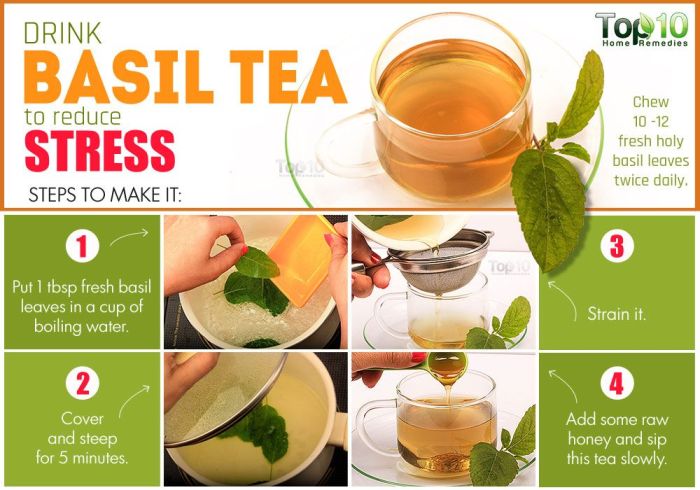
- Herbal teas: Chamomile tea, green tea, and peppermint tea are known for their calming properties and can help in reducing stress.
Effectiveness of Stress-Relief Techniques
Each individual may respond differently to stress-relief techniques. It’s essential to explore and find what works best for you. Some may find meditation more effective, while others might prefer yoga or deep breathing exercises. The key is to practice regularly and find a routine that suits your lifestyle and preferences.
Personal Anecdotes
Many people have successfully managed stress using natural remedies. For example, Sarah, a busy professional, found relief from stress through daily yoga sessions. She noticed a significant improvement in her stress levels and overall well-being after incorporating yoga into her routine. Similarly, John, a student, found deep breathing exercises helpful in managing exam stress and anxiety. By practicing deep breathing techniques before exams, he felt more focused and calm.
Nutritional Balance
Maintaining a balanced diet is crucial for managing stress effectively. The food we eat plays a significant role in our overall well-being, including our stress levels. Here are some tips on achieving a nutritional balance to support stress relief:
Importance of Nutritional Balance
- A balanced diet provides essential nutrients that support brain function and help regulate mood.
- Poor nutrition can lead to increased stress levels and a higher risk of anxiety and depression.
- Eating a variety of nutrient-dense foods can help stabilize blood sugar levels, reducing stress and irritability.
Tips for Achieving a Balanced Diet
- Include a variety of fruits, vegetables, whole grains, lean proteins, and healthy fats in your meals.
- Avoid excessive caffeine, sugar, and processed foods, which can contribute to stress and energy fluctuations.
- Stay hydrated by drinking plenty of water throughout the day to support overall well-being.
Impact of Nutrition on Stress Levels
- Research shows that certain nutrients, such as omega-3 fatty acids, magnesium, and B vitamins, can help reduce stress and anxiety.
- A balanced diet rich in antioxidants and phytonutrients can protect against the harmful effects of stress on the body.
- Paying attention to your nutritional intake can improve your resilience to stress and enhance your overall sense of well-being.
Helpful Answers
How important are healthy habits in managing stress?
Healthy habits play a crucial role in managing stress by providing a strong foundation for overall well-being. Consistent healthy habits contribute to resilience and better stress management.
What is the impact of positive emotions on stress management?
Positive emotions have a significant impact on stress management as they help in reducing stress levels, promoting emotional well-being, and enhancing overall resilience.
How can natural remedies benefit the aging process?
Natural remedies for stress relief can benefit the aging process by supporting healthy aging, maintaining a vibrant lifestyle, and promoting overall well-being in later years.
What are some physical activities that can help in relieving stress?
Physical activities such as yoga, walking, and swimming are known to be effective in relieving stress by promoting relaxation, reducing tension, and improving overall mood.


More Stories
How to build a stress relief toolkit – Tips and Strategies for Managing Stress
Stress relief strategies for college students: Tips for a Balanced Life
Healthy aging and brain health: Tips for a vibrant mind and body