Healthy Habits: How To Build A Stress Relief Toolkit
Maintaining healthy habits is crucial for managing stress effectively. These habits not only help in reducing stress levels but also contribute to overall well-being and emotional balance. By incorporating these habits into your daily routine, you can create a stress relief toolkit that promotes a healthier lifestyle.
Regular Exercise
Regular physical activity is essential for reducing stress and improving mood. Exercise releases endorphins, which are known as “feel-good” hormones that help alleviate stress and anxiety. Incorporating activities like walking, jogging, yoga, or dancing into your daily routine can have a positive impact on your emotional well-being.
Healthy Eating
Eating a balanced diet plays a significant role in managing stress. Consuming nutritious foods rich in vitamins, minerals, and antioxidants can help regulate mood and reduce stress levels. Avoiding excessive caffeine, sugar, and processed foods can also contribute to better stress management.
Adequate Sleep
Getting enough restful sleep is crucial for stress relief. Lack of sleep can impair cognitive function and increase stress levels. Establishing a bedtime routine, creating a comfortable sleep environment, and practicing relaxation techniques before bed can help improve the quality of your sleep and reduce stress.
Mindfulness and Meditation
Practicing mindfulness and meditation can help calm the mind and reduce stress. These techniques focus on being present in the moment, rather than worrying about the past or future. Mindfulness exercises, deep breathing, and meditation can promote relaxation and emotional well-being.
Time Management
Effective time management is key to reducing stress. Prioritizing tasks, setting realistic goals, and avoiding procrastination can help you feel more in control of your schedule and reduce feelings of overwhelm. Creating a daily routine and sticking to a schedule can promote a sense of balance and organization in your life.
Emotional Wellbeing
Emotional wellbeing plays a crucial role in stress relief as our emotions have a direct impact on our stress levels. When we are emotionally balanced and healthy, we are better equipped to handle stress and bounce back from challenging situations.
Strategies for Improving Emotional Health
How to build a stress relief toolkit – Improving emotional health can significantly reduce stress levels and enhance overall wellbeing. Here are some strategies to help you improve your emotional health:
- Practice mindfulness and meditation to stay present and manage negative emotions.
- Engage in regular physical activity to release endorphins and boost your mood.
- Build strong social connections and seek support from friends and family.
- Set boundaries and learn to say no to avoid overcommitting yourself.
- Seek professional help or therapy if needed to address underlying emotional issues.
The Importance of Self-Care
Self-care is essential for maintaining emotional balance and reducing stress. Taking care of yourself physically, emotionally, and mentally can help you build resilience and cope with life’s challenges more effectively.
- Make time for activities that bring you joy and relaxation, such as hobbies or spending time in nature.
- Prioritize sleep and ensure you get enough rest to recharge your body and mind.
- Eat a balanced diet to fuel your body with the nutrients it needs to function optimally.
- Practice self-compassion and avoid self-criticism, treating yourself with kindness and understanding.
- Engage in activities that promote self-reflection and personal growth, such as journaling or therapy.
Healthy Aging
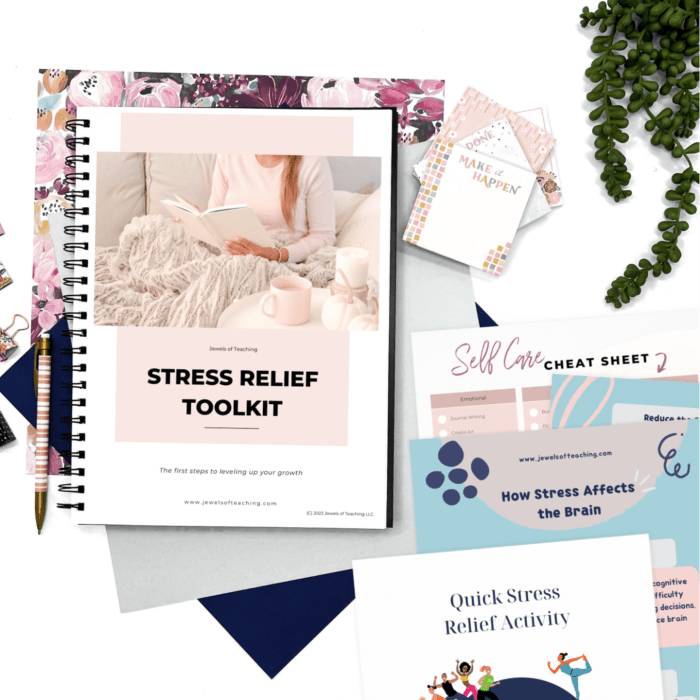
Stress management plays a crucial role in promoting healthy aging as individuals transition through different life stages. By incorporating stress-relieving activities into their daily routines, older adults can enhance their emotional wellbeing, physical health, and overall quality of life.
Tips for Older Adults
- Engage in regular physical activity such as walking, yoga, or tai chi to reduce stress and improve flexibility and strength.
- Practice mindfulness and meditation to cultivate inner peace, reduce anxiety, and enhance mental clarity.
- Stay socially connected with friends, family, or community groups to combat feelings of loneliness and isolation.
- Set realistic goals and prioritize tasks to avoid feeling overwhelmed and to maintain a sense of accomplishment.
- Embrace hobbies and activities that bring joy and relaxation, such as gardening, painting, or listening to music.
Role of Stress Management
As individuals age, stress management becomes even more critical in maintaining overall wellness. Chronic stress can contribute to various health issues, including cardiovascular problems, weakened immune function, and cognitive decline. By effectively managing stress through healthy coping mechanisms, older adults can reduce the risk of age-related diseases and improve their overall quality of life.
Active Lifestyle
Regular physical activity is essential for maintaining a healthy body and mind, especially when it comes to managing stress. Engaging in an active lifestyle has numerous benefits, including reducing stress levels, improving mood, and boosting overall mental resilience.
Forms of Physical Activity for Stress Relief
- Cardiovascular exercise: Activities like running, cycling, or swimming help release endorphins, the body’s natural stress relievers.
- Yoga and Pilates: These mind-body practices focus on breathing techniques and mindfulness, promoting relaxation and reducing tension.
- Strength training: Lifting weights or doing bodyweight exercises can help release built-up stress and tension in the body.
Connection between Exercise and Mental Resilience
Regular physical activity not only helps in reducing stress but also plays a crucial role in building mental resilience. Exercise has been shown to increase the production of neurohormones like endorphins and serotonin, which can improve mood and reduce symptoms of anxiety and depression. Additionally, staying active can enhance cognitive function and help individuals better cope with stressful situations, ultimately leading to improved overall mental well-being.
Cardiovascular Health
Stress relief techniques can have a significant impact on cardiovascular health. Chronic stress can contribute to high blood pressure, heart disease, and other cardiovascular issues. By managing stress effectively, individuals can reduce the risk of these conditions and improve overall heart health.
Benefits of Stress-Relief Activities for the Heart
- Engaging in regular physical activity such as walking, jogging, or cycling can help lower stress levels and improve cardiovascular function.
- Practicing relaxation techniques like deep breathing, meditation, or yoga can reduce the body’s stress response and promote heart health.
- Spending time in nature, listening to music, or engaging in hobbies can provide stress relief and benefit the heart.
Impact of Stress on Cardiovascular Well-being
Chronic stress can lead to the release of stress hormones like cortisol and adrenaline, which can increase blood pressure and heart rate. Over time, this can damage blood vessels and contribute to the development of heart disease. It is essential to find healthy ways to manage stress, such as exercise, mindfulness, and social support, to protect cardiovascular well-being.
Healthy Recipes
Incorporating nutritious recipes into your diet can play a significant role in reducing stress levels and promoting overall well-being. The food we eat can directly impact our mood and energy levels, making it essential to prioritize a balanced and healthy diet for improved stress management.
Nutritious Smoothie Bowl
- Blend together a mix of spinach, banana, berries, and almond milk for a nutrient-packed breakfast option.
- Top the smoothie bowl with chia seeds, sliced almonds, and a sprinkle of cinnamon for added flavor and texture.
- This recipe is rich in antioxidants, vitamins, and minerals that can help combat stress and boost your immune system.
Vegetable Stir-Fry with Quinoa
- Sauté colorful vegetables like bell peppers, broccoli, and snap peas in a light soy sauce and ginger marinade.
- Serve the stir-fry over a bed of fluffy quinoa for a protein-rich and satisfying meal.
- This dish is high in fiber, essential nutrients, and healthy fats, providing a nourishing option for stress relief.
Mental Resilience
Mental resilience is the ability to adapt and bounce back from challenges, setbacks, and stressors. It plays a crucial role in stress relief as it helps individuals navigate difficult situations with a positive mindset and approach. Building mental resilience allows for better coping mechanisms and a more balanced emotional response to stress.
Strategies for Enhancing Mental Resilience
- Cultivate a growth mindset by viewing challenges as opportunities for growth and learning.
- Practice mindfulness and meditation to enhance self-awareness and emotional regulation.
- Build a strong support network of friends, family, or mental health professionals to provide guidance and encouragement.
- Engage in regular physical activity to reduce stress and improve overall mental well-being.
- Develop healthy coping mechanisms such as journaling, deep breathing exercises, or engaging in hobbies that bring joy.
Importance of Developing a Resilient Mindset
Developing a resilient mindset is essential for overall well-being as it helps individuals navigate life’s challenges with grace and strength. By fostering mental resilience, individuals can better cope with stress, setbacks, and adversity, leading to improved mental health and emotional stability. A resilient mindset also promotes a positive outlook on life and enhances one’s ability to bounce back from difficult situations.
Immune Support
Stress relief plays a crucial role in supporting a strong immune system. When we are stressed, our body releases cortisol, which can suppress the immune system, making us more susceptible to illnesses. By managing stress effectively, we can help boost our immunity and overall health.
Immune-Boosting Practices for Stress Management
- Regular Exercise: Engaging in physical activity helps reduce stress levels and strengthen the immune system.
- Healthy Diet: Consuming a balanced diet rich in fruits, vegetables, and whole grains provides essential nutrients to support immune function.
- Adequate Sleep: Getting enough quality sleep is vital for a healthy immune response and stress management.
- Mindfulness and Meditation: Practicing mindfulness techniques and meditation can help reduce stress and improve immune function.
Connection Between Stress, Immunity, and Overall Health
Chronic stress can have a negative impact on the immune system, leading to increased susceptibility to infections, autoimmune disorders, and other health issues. By managing stress effectively through various practices, we can support our immune system and promote overall well-being.
Stress Relief
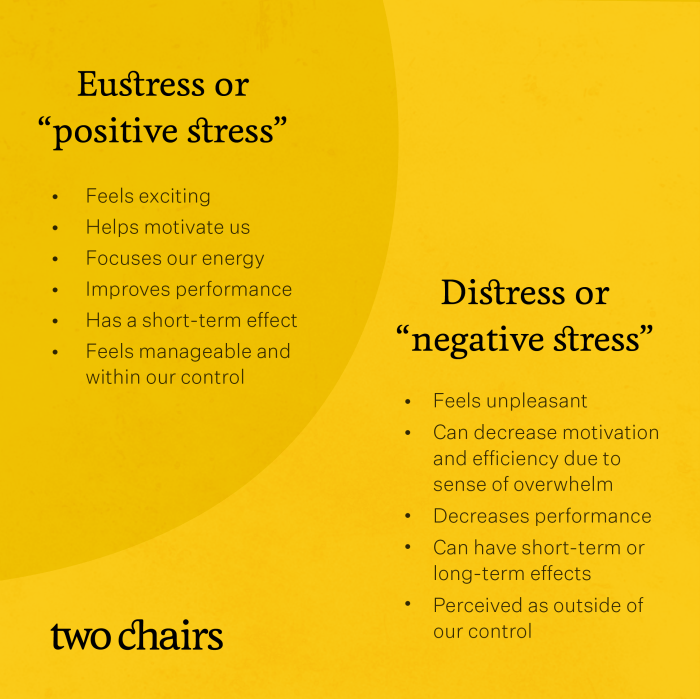
Feeling overwhelmed by stress can have a significant impact on your overall well-being. It’s important to explore various techniques for building a stress relief toolkit that works for you.
Creating a personalized stress management plan can help you navigate through challenging times and maintain a sense of balance in your life. By incorporating different stress-relief strategies, you can promote holistic well-being and improve your quality of life.
Building Your Stress Relief Toolkit, How to build a stress relief toolkit
When it comes to building a stress relief toolkit, it’s essential to find strategies that resonate with you and can be easily integrated into your daily routine. Here are some steps to help you create your personalized stress management plan:
- Identify your stress triggers: Take note of the situations or events that tend to cause stress in your life.
- Experiment with different stress-relief techniques: Explore activities like meditation, deep breathing exercises, yoga, or journaling to find what works best for you.
- Create a daily stress-relief routine: Dedicate time each day to engage in stress-relief activities that help you unwind and relax.
- Stay connected with others: Building a support system can provide you with emotional support during stressful times.
Importance of Holistic Stress Relief
Addressing stress through a holistic approach involves taking care of your physical, emotional, and mental well-being. By incorporating a variety of stress-relief strategies, you can better manage stress and improve your overall quality of life.
Remember that stress is a natural part of life, but how you respond to it can make a significant difference in how it impacts you. Building a stress relief toolkit that is tailored to your needs can help you navigate through stress more effectively and lead a more balanced life.
Nutritional Balance
Maintaining a proper nutritional balance is crucial for managing stress effectively. The food we eat can have a significant impact on our stress levels and overall well-being.
Role of Nutritional Balance in Stress Management
Eating a balanced diet rich in essential nutrients such as vitamins, minerals, and antioxidants can help reduce stress levels. Nutrient-dense foods support brain function, regulate hormones, and boost the immune system, all of which play a role in managing stress.
Tips for Maintaining a Healthy Diet to Reduce Stress
- Aim to include a variety of fruits, vegetables, whole grains, lean proteins, and healthy fats in your meals.
- Avoid excessive consumption of processed foods, sugary snacks, and caffeine, as they can contribute to increased stress and anxiety.
- Stay hydrated by drinking plenty of water throughout the day, as dehydration can exacerbate stress symptoms.
- Practice mindful eating by paying attention to your body’s hunger and fullness cues, and avoiding emotional eating habits.
Impact of Food Choices on Overall Stress Levels and Well-being
Our food choices can directly impact our stress levels and overall well-being. Consuming a diet high in sugar, unhealthy fats, and processed foods can lead to inflammation in the body, which is linked to increased stress and mental health issues. On the other hand, a balanced diet consisting of whole, nutrient-dense foods can help reduce stress, improve mood, and support overall health.
FAQ Compilation
How often should I practice stress-relief activities?
It’s recommended to incorporate stress-relief activities into your daily routine to experience maximum benefits.
Can stress relief techniques improve physical health?
Yes, stress relief techniques can have a positive impact on physical health, including cardiovascular and immune system benefits.
Is it necessary to consult a professional for building a stress relief toolkit?
While self-help strategies can be effective, consulting a professional therapist or counselor can provide additional support and guidance.


More Stories
Stress relief strategies for college students: Tips for a Balanced Life
Natural remedies for stress relief: A Holistic Approach to Well-being
Healthy aging and brain health: Tips for a vibrant mind and body