Healthy Habits
Maintaining healthy habits is crucial for promoting brain health and overall well-being. By incorporating simple yet effective practices into your daily routine, you can support healthy aging and cognitive function.
Daily Healthy Habits for Brain Health
- A balanced diet rich in fruits, vegetables, whole grains, and lean proteins provides essential nutrients for brain health. Omega-3 fatty acids found in fish, nuts, and seeds are particularly beneficial.
- Staying hydrated by drinking an adequate amount of water throughout the day helps maintain cognitive function and overall brain health.
- Engaging in mental stimulation activities such as reading, puzzles, or learning a new skill can help keep your brain sharp and active.
Consistent Sleep Schedule for Healthy Aging
Healthy aging and brain health – Getting quality sleep is essential for healthy aging and optimal brain function. Establishing a consistent sleep schedule and practicing good sleep hygiene can significantly impact your cognitive health.
Aim for 7-9 hours of sleep per night to support cognitive function, memory consolidation, and overall brain health.
Incorporating Physical Exercise into Daily Routine
Regular physical exercise not only benefits your physical health but also plays a significant role in promoting brain function and cognitive abilities.
Incorporate activities like brisk walking, jogging, yoga, or strength training to improve blood flow to the brain and stimulate the growth of new brain cells.
Emotional Wellbeing
Emotional wellbeing plays a crucial role in cognitive function among older adults. It is essential to address emotional health to support overall brain health and cognitive abilities in aging individuals.
Techniques for Managing Stress and Anxiety
- Practice relaxation techniques such as deep breathing, meditation, or yoga to reduce stress levels.
- Engage in regular physical activity, which can help alleviate symptoms of anxiety and stress.
- Seek professional help or counseling if feelings of stress and anxiety become overwhelming.
- Maintain a healthy diet and get an adequate amount of sleep to support emotional wellbeing.
- Stay connected with loved ones and engage in activities that bring joy and relaxation.
Impact of Positive Social Interactions
Positive social interactions have a significant impact on emotional wellbeing and healthy aging.
- Regular social interactions can reduce feelings of loneliness and isolation, promoting emotional health.
- Engaging in meaningful conversations and activities with others can boost mood and overall happiness.
- Building strong social connections can provide a support system during challenging times, improving resilience.
- Volunteering or participating in community events can enhance feelings of purpose and belonging, contributing to emotional wellbeing.
Healthy Aging
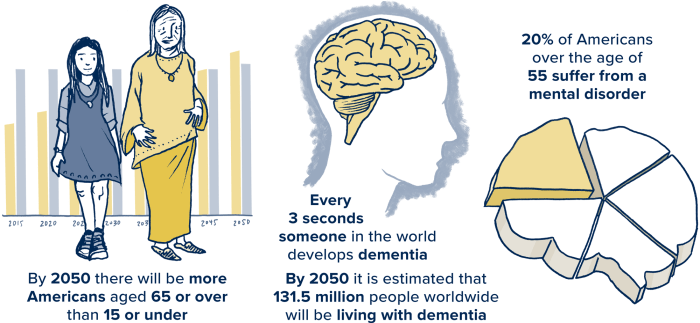
Healthy aging refers to the process of developing and maintaining the functional ability that enables well-being in older age. It involves making lifestyle choices and taking actions to ensure physical, mental, and social well-being as individuals grow older. Healthy aging is crucial for brain health as it helps reduce the risk of cognitive decline and neurodegenerative diseases such as Alzheimer’s. By adopting healthy habits and staying mentally active, individuals can support their cognitive function and overall brain health as they age.
Tips for Maintaining Cognitive Function
- Engage in regular physical exercise to improve blood flow to the brain and promote neuroplasticity.
- Follow a balanced diet rich in fruits, vegetables, whole grains, and omega-3 fatty acids to support brain health.
- Stay socially connected by maintaining relationships with family and friends to reduce feelings of isolation and depression.
- Challenge your brain with activities like puzzles, reading, learning a new skill, or playing musical instruments to stimulate cognitive function.
- Get an adequate amount of sleep each night to support memory consolidation and cognitive processing.
Role of Mental Stimulation, Healthy aging and brain health
Mental stimulation plays a vital role in promoting healthy aging and brain health by keeping the brain active and engaged. Activities that require mental effort, such as learning new things, problem-solving, and engaging in stimulating conversations, can help build cognitive reserve and enhance brain function. By continuously challenging the brain, individuals can maintain cognitive abilities, improve memory, and reduce the risk of age-related cognitive decline. It is essential to prioritize mental stimulation as part of a holistic approach to healthy aging and brain health.
Active Lifestyle: Healthy Aging And Brain Health
Regular physical activity is not only beneficial for our physical health but also plays a crucial role in maintaining cognitive function and brain health. Engaging in an active lifestyle has been shown to have numerous positive effects on the brain, including improved memory, focus, and overall mental well-being.
Physical Activities for Brain Health
- Cardiovascular exercises such as running, swimming, or cycling can help increase blood flow to the brain, promoting the growth of new brain cells and improving cognitive function.
- Strength training exercises like weightlifting or bodyweight exercises can also be beneficial for brain health by reducing the risk of age-related cognitive decline.
- Yoga and tai chi are excellent activities for improving balance, flexibility, and coordination, which are essential for maintaining brain health as we age.
Importance of Balance and Coordination Exercises
Regularly incorporating balance and coordination exercises into your fitness routine is crucial for maintaining brain health as we age. These exercises help stimulate different parts of the brain, improve neural connections, and enhance overall cognitive function. Activities such as dancing, agility drills, and martial arts can be particularly effective in enhancing balance, coordination, and cognitive abilities.
Cardiovascular Health
Maintaining cardiovascular health is crucial for overall well-being, including brain health. The relationship between cardiovascular health and brain health is interconnected, as a healthy heart ensures proper blood flow to the brain, delivering oxygen and nutrients essential for optimal brain function.
Diet and Exercise Impact
Leading a healthy lifestyle through a balanced diet and regular exercise not only benefits cardiovascular health but also supports brain health. A diet rich in fruits, vegetables, whole grains, and lean proteins can help lower the risk of heart disease and stroke, which in turn reduces the risk of cognitive decline and neurodegenerative diseases.
Regular physical activity can improve cardiovascular fitness, leading to better blood circulation and lower blood pressure. Exercise also promotes the release of chemicals in the brain that support cognitive function and mood, further enhancing brain health.
Managing Cholesterol and Blood Pressure
Managing cholesterol levels by following a heart-healthy diet low in saturated fats and cholesterol can significantly reduce the risk of heart disease and stroke. High cholesterol levels can contribute to the buildup of plaques in the arteries, restricting blood flow to the brain and increasing the risk of cognitive impairment.
Similarly, controlling blood pressure levels through a healthy lifestyle, including regular exercise and a low-sodium diet, can help prevent damage to the blood vessels in the brain. High blood pressure can lead to the narrowing of blood vessels, reducing blood flow and oxygen delivery to the brain, impacting cognitive function and increasing the risk of dementia.
Healthy Recipes
Incorporating nutritious recipes into your diet can have a significant impact on brain health and overall well-being. These recipes are specifically designed to support cognitive function and promote healthy aging.
Blueberry Walnut Oatmeal
- Ingredients:
- 1 cup rolled oats
- 1/2 cup fresh blueberries
- 2 tablespoons chopped walnuts
- 1 tablespoon honey
- Instructions:
- Cook oats according to package instructions.
- Top with blueberries, walnuts, and a drizzle of honey.
- Enjoy this antioxidant-rich breakfast that supports brain health.
Salmon Avocado Salad
- Ingredients:
- 2 cups mixed greens
- 4 oz grilled salmon
- 1/2 avocado, sliced
- 1/4 cup cherry tomatoes
- 2 tablespoons olive oil
- 1 tablespoon balsamic vinegar
- Instructions:
- Arrange mixed greens on a plate.
- Top with grilled salmon, avocado, and cherry tomatoes.
- Drizzle with olive oil and balsamic vinegar for a brain-boosting lunch option.
Mental Resilience
Mental resilience is the ability to adapt and bounce back from challenges, stress, and adversity. It plays a crucial role in healthy aging as it helps individuals maintain cognitive function, emotional well-being, and overall quality of life as they grow older.
Strategies for Building Mental Resilience
Building mental resilience involves developing coping mechanisms and positive mindset to navigate through life’s ups and downs. Some strategies include:
- Practicing mindfulness and meditation to reduce stress and increase self-awareness.
- Building strong social connections for support and companionship.
- Engaging in regular physical exercise to boost mood and cognitive function.
- Setting realistic goals and focusing on problem-solving rather than dwelling on setbacks.
- Seeking professional help when needed to address mental health concerns.
Real-life Examples of Mental Resilience
One inspiring example is Ruth Bader Ginsburg, the late Supreme Court Justice who continued to work tirelessly and pursue her passions despite facing numerous health challenges in her later years. Another example is author Toni Morrison, who continued to write and inspire others with her creativity well into her older age. These individuals exemplify how mental resilience can help navigate aging-related changes with grace and determination.
Immune Support
Maintaining a healthy immune system is crucial for overall well-being, including brain health. A strong immune system can play a significant role in supporting cognitive function, especially in older adults.
Connection between Immune Function and Brain Health
There is a strong connection between immune function and brain health. The immune system helps protect the brain from inflammation and oxidative stress, which are known to contribute to cognitive decline.
Research has shown that chronic inflammation can negatively impact brain health and cognitive function.
Tips for Supporting Immune Health
- Include immune-boosting foods in your diet, such as fruits, vegetables, nuts, and seeds.
- Stay hydrated by drinking plenty of water throughout the day.
- Get regular exercise to help support immune function.
- Get an adequate amount of sleep to allow your immune system to recharge and repair.
- Manage stress through relaxation techniques like meditation or yoga.
Stress Relief
Stress relief is crucial for promoting brain health and overall well-being. Chronic stress can have a detrimental impact on cognitive function, leading to memory problems, difficulty concentrating, and even accelerating the aging process. It is essential to incorporate mindfulness exercises and relaxation practices into your daily routine to reduce stress levels and support brain health.
Mindfulness Meditation
- Practice deep breathing techniques to calm the mind and body.
- Focus on the present moment and let go of worries about the past or future.
- Acknowledge and accept your thoughts and emotions without judgment.
- Engage in guided meditation sessions to enhance relaxation and reduce stress.
Progressive Muscle Relaxation
- Tense and relax different muscle groups in your body to release physical tension.
- Start from your toes and work your way up to your head, focusing on each muscle group individually.
- Combine deep breathing with muscle relaxation for a more profound sense of calmness.
- Practice this technique regularly to improve your ability to manage stress effectively.
- Omega-3 fatty acids: Found in fatty fish like salmon and walnuts, omega-3s are important for brain function and can help improve memory and cognition.
- Antioxidants: Fruits and vegetables high in antioxidants, such as berries, spinach, and kale, help protect brain cells from damage caused by free radicals.
- Vitamin E: Nuts, seeds, and leafy greens are good sources of vitamin E, which has been linked to a reduced risk of cognitive decline.
- B vitamins: B vitamins, found in whole grains, eggs, and dairy products, play a role in brain health and can help support memory and focus.
- Include a mix of fruits, vegetables, whole grains, lean proteins, and healthy fats in your meals.
- Avoid processed foods high in sugar, salt, and unhealthy fats, as they can negatively impact brain health.
- Stay hydrated by drinking plenty of water throughout the day to support overall brain function.
- Limit alcohol consumption and opt for brain-boosting beverages like green tea, which is rich in antioxidants.
Nutritional Balance
Maintaining a balanced diet is crucial for brain health as it provides the necessary nutrients for cognitive function and healthy aging. A diet rich in essential vitamins, minerals, and antioxidants supports brain health and can help reduce the risk of cognitive decline.
Key Nutrients for Cognitive Function
Guidelines for Achieving Nutritional Balance
To support brain health, it is important to include a variety of food groups in your diet. Aim to:
Quick FAQs
How can I incorporate physical exercise into my daily routine to support brain function?
To support brain function, try integrating activities like walking, yoga, or dancing into your daily schedule. These exercises can improve blood flow to the brain and enhance cognitive abilities.
What is the significance of mental stimulation in promoting healthy aging and brain health?
Mental stimulation through activities like puzzles, reading, or learning new skills can help maintain cognitive function and reduce the risk of cognitive decline as we age.
How does emotional well-being affect brain health in older adults?
Emotional well-being plays a crucial role in brain health as it can impact cognitive function and overall mental sharpness. Positive social interactions and stress management techniques can contribute to a healthy brain.


More Stories
How to build a stress relief toolkit – Tips and Strategies for Managing Stress
Stress relief strategies for college students: Tips for a Balanced Life
Natural remedies for stress relief: A Holistic Approach to Well-being